

8F Event Square
Exhibition | Other
Matsuya Ginza 100th Anniversary
Fujingaho 120th Anniversary
Connecting and Passing Down “People” and “Homes”
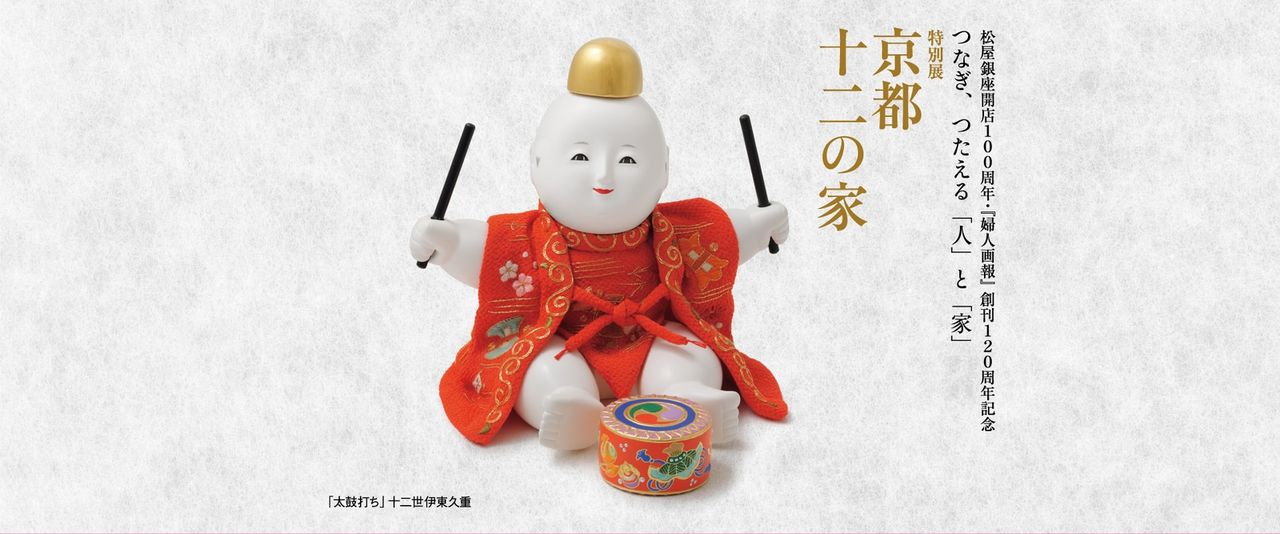
Special Exhibition: Kyoto – The Twelve Houses
December 27, 2025 (Sat) – January 19, 2026 (Mon)
*This event has ended.
*11:00 a.m. – 8:00 p.m.
*Closed on January 1 (Thu) and January 2 (Fri)
*Closes at 7:30 p.m. on January 4 (Sun), January 12 (Mon, national holiday), and January 18 (Sun)
*Closes at 5:00 p.m. on the final day
*Last admission is 30 minutes before closing
*On December 27 (Sat), general admission begins at 12:00 noon due to an event
*During peak hours, you may be asked to wait or numbered tickets may be distributed
The people and families of Kyoto have inherited and passed down the tradition of “Beautiful Japan” through tea ceremony, flower arrangement, crafts, performing arts, and more.
In this exhibition, we present around 70 works created by successive generations of individuals, as well as symbolic tools representing the twelve families of Kyoto who have continued to preserve this “Beautiful Japan.” It is an exhibition that invites us to reflect once again on the importance of passing traditions from one generation to the next.
Organizers / Planning / Planning Cooperation
Organizer: Hearst Fujingaho Co., Ltd. / Matsuya
Planning: Imura Art Gallery
Planning Cooperation: Office Clover
Tickets
Price
| 一般 | 高・大学生 | 小・中学生 | |
|---|---|---|---|
| 前売券 | 1,700円 | 1,200円 | 700円 |
| 当日券 | 2,000円 | 1,500円 | 1,000円 |
*Unscheduled children (preschool age and under) are admitted free of charge.
*Advance tickets are available through Lawson Ticket (L code: 38670).
Click here to purchase tickets: https://l-tike.com/event/mevent/?mid=770113
Admission for customers with Matsuya Cards, Matsuya Gold Cards, Matsuya Tomonokai Cards, Shareholder Shopping Privilege Cards, and Disability Certificates
Customers with a Matsuya Shareholder Shopping Privilege Card may enter free of charge with up to 2 people. Customers with any Matsuya card (Matsuya Card, Matsuya Gold Card, Matsuya Tomonokai Card excluding point cards) may enter free of charge for 1 person (the cardholder). Customers with a Disability Certificate may enter free of charge for 1 person (the certificate holder) plus 1 caregiver.
*Please note that on Saturday, December 27, due to an event, admission will begin after 12:00 p.m.
Exhibitors
Ikebana
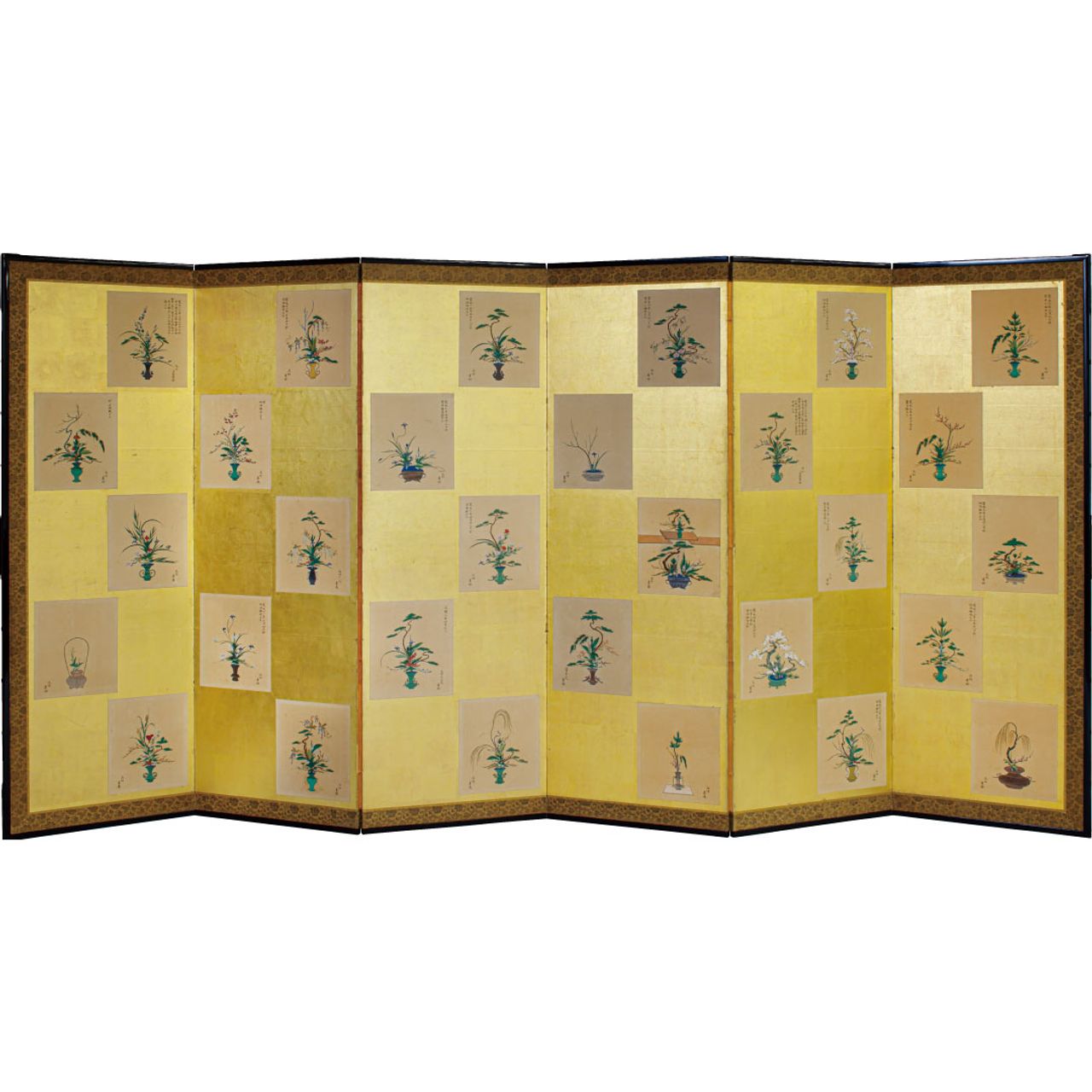
The Ikenobo Family
Tracing its lineage back to Ono no Imoko, who served Prince Shōtoku, the Ikenobo family has led the world of ikebana for centuries. The current headmaster, Sen’ei Ikenobo, is the 45th-generation head of the school, while Wakasonshō Senkō Ikenobo became the first female headmaster in the history of the Ikenobo lineage.
“Hyappinzu Hakko Byōbu (Screen with One Hundred Offering Bottles Presented to the Kanto Region)” Late Edo period
Collection: Ikenobo Foundation for Ikebana Art
Yūsoku Doll Artisans
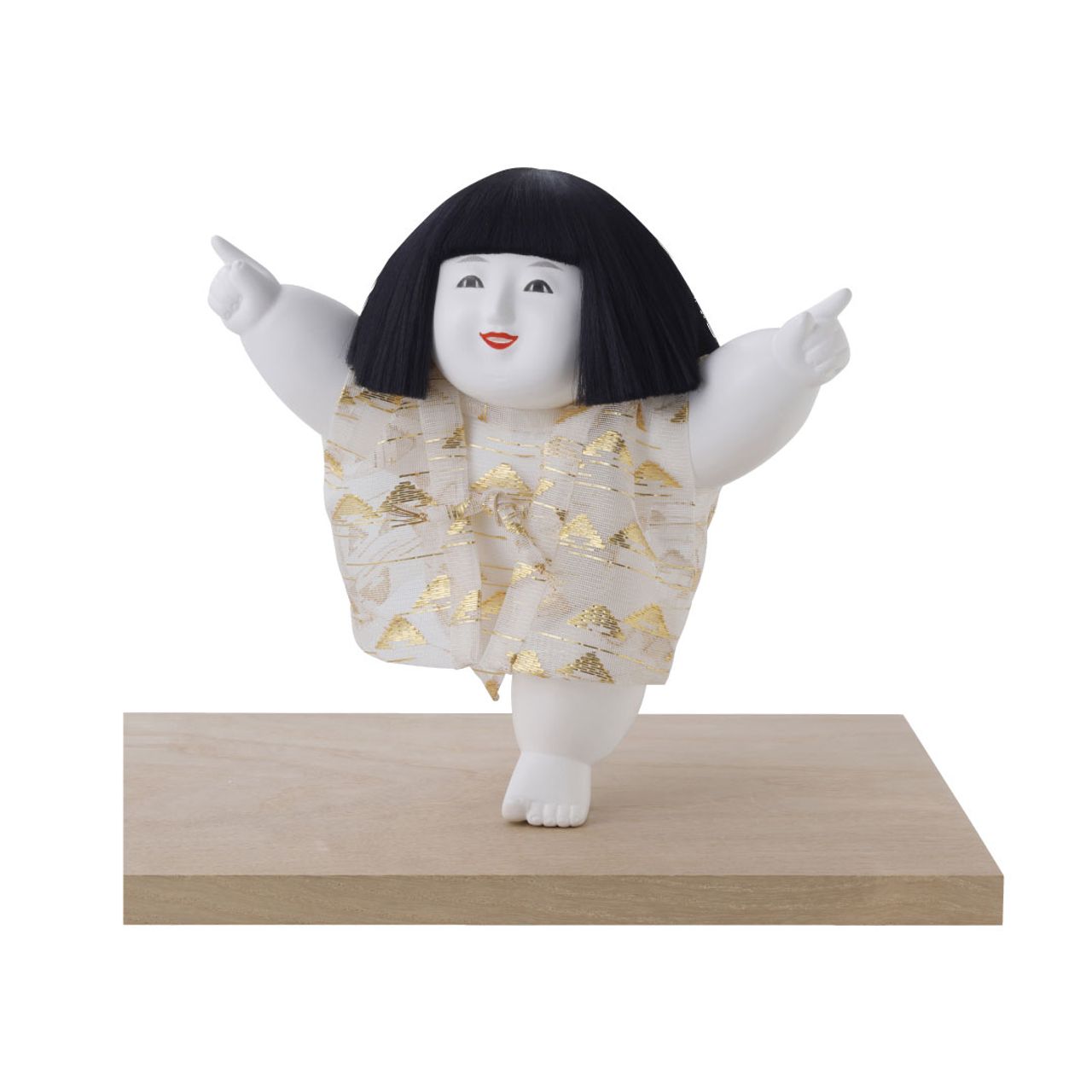
The Itō Family
Since the Edo period, the family has been producing Gosho dolls for the Imperial Court. The current 12th-generation master, Hisashige, also works with raised gofun gilded painting. In 2019 (Reiwa 1), his eldest son, Kenichi, succeeded to the name Shōgorō as the 13th-generation heir.
12th-generation Hisashige Itō – “Ichiban” (No. 1)
Reiwa 5 (2023)
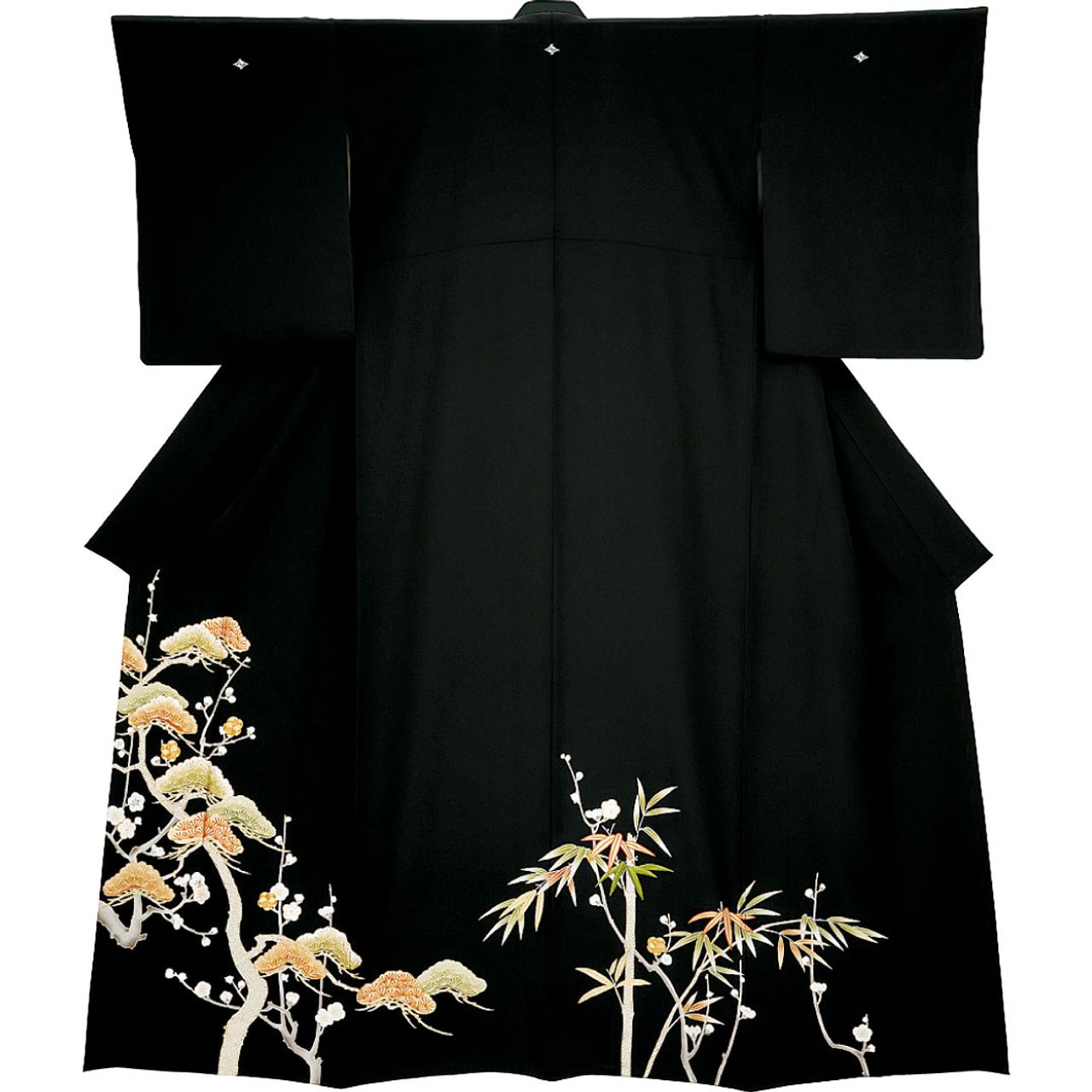
Kyōmai Inoue School
The Inoue Family
The Inoue School of Kyōmai is the only official dance school of the Gion Kōbu district and has a history of over 200 years. The current fifth-generation head, Inoue Yachiyo V, has been designated a Living National Treasure, following her predecessor Inoue Yachiyo IV.
“Black Tomesode with Pine, Bamboo, and Plum Motifs”
Worn during the Gion Kōbu New Year opening ceremony for performances such as Yamatobumi.
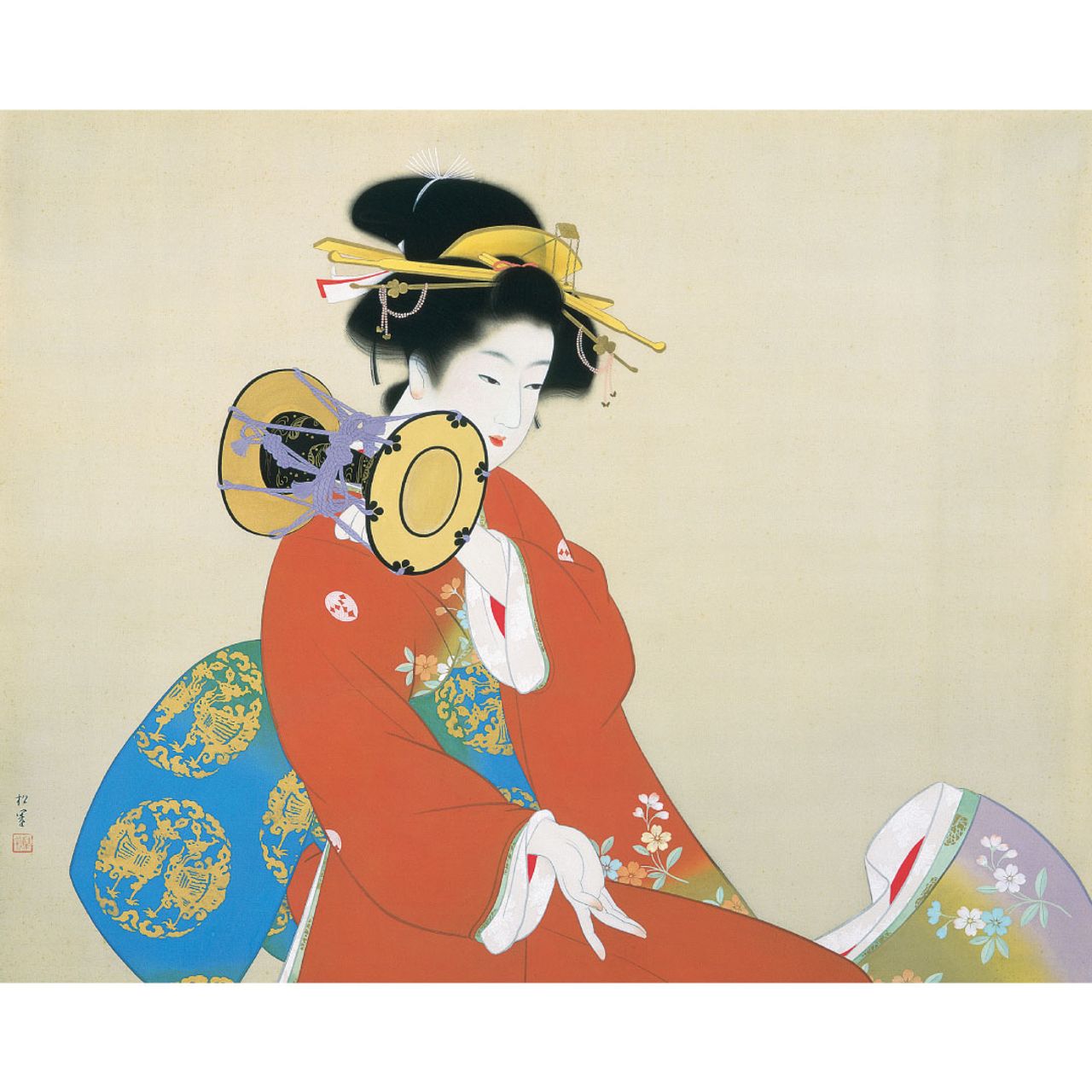
Nihonga (Japanese Painting)
The Uemura Family
Uemura Shoen, known for leaving behind numerous masterpieces of bijinga (paintings of beautiful women), was the first woman to receive the Order of Culture. The elegant Kyoto painting lineage continued through her son, Uemura Shōkō, and her grandson, Uemura Atsunori.
Uemura Shoen, “Tsuzumi no Oto (Sound of the Drum)”, 1940
Collection of the Shōhaku Art Museum
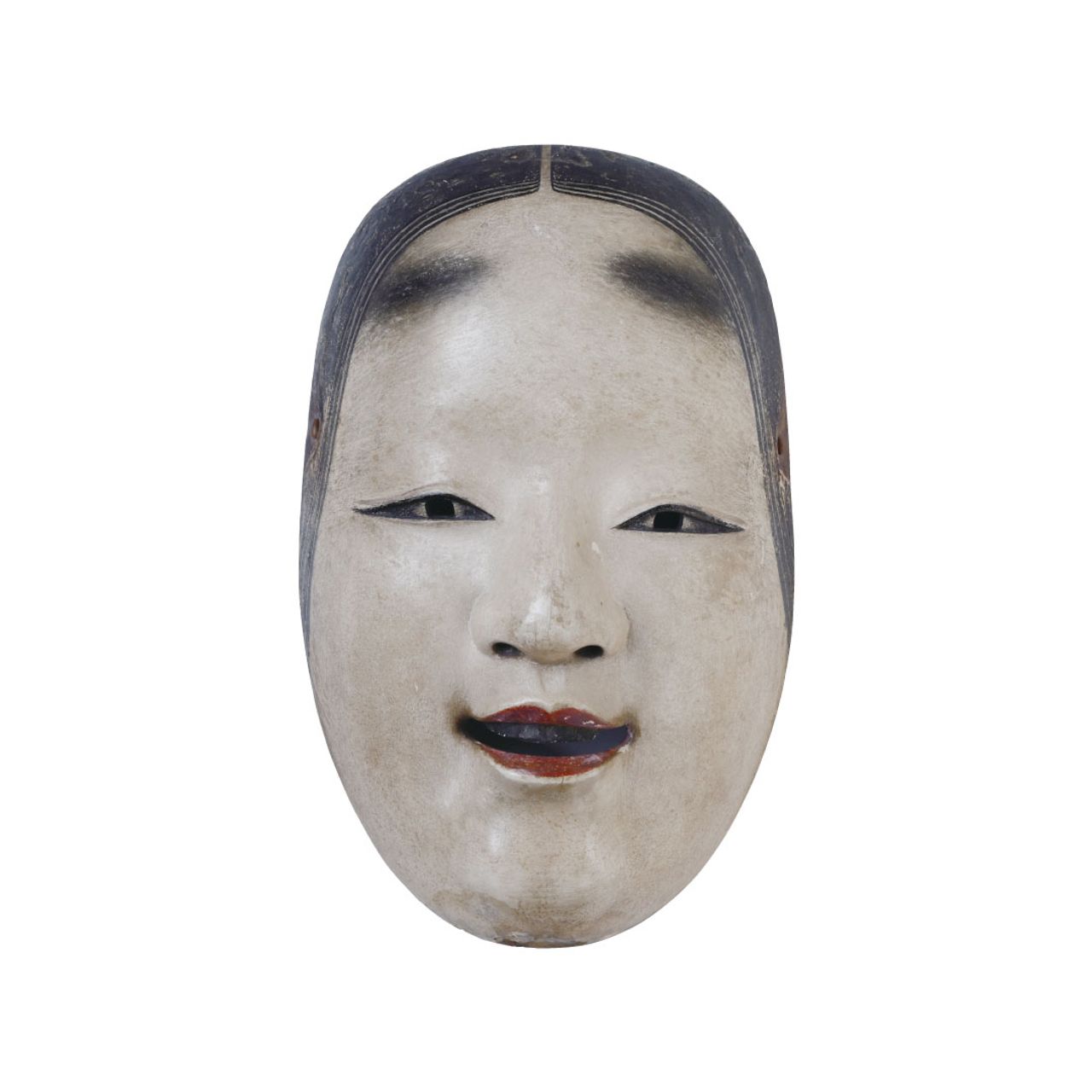
Head Family of the Kongō School
The Kongō Family
One of the five shite (lead actor) schools of Noh theatre, and the only one based in Kyoto. The current head of the school is the 26th-generation Kongō Hisanori. Known for combining dynamic, vivid forms with the refined elegance characteristic of Kyoto, it is also referred to as “Mai Kongō.” The present head, Kongō Hisanori, has been designated a Living National Treasure.
“Koomote” mask by Ōmi, Edo period
Collection of the Kongō Family
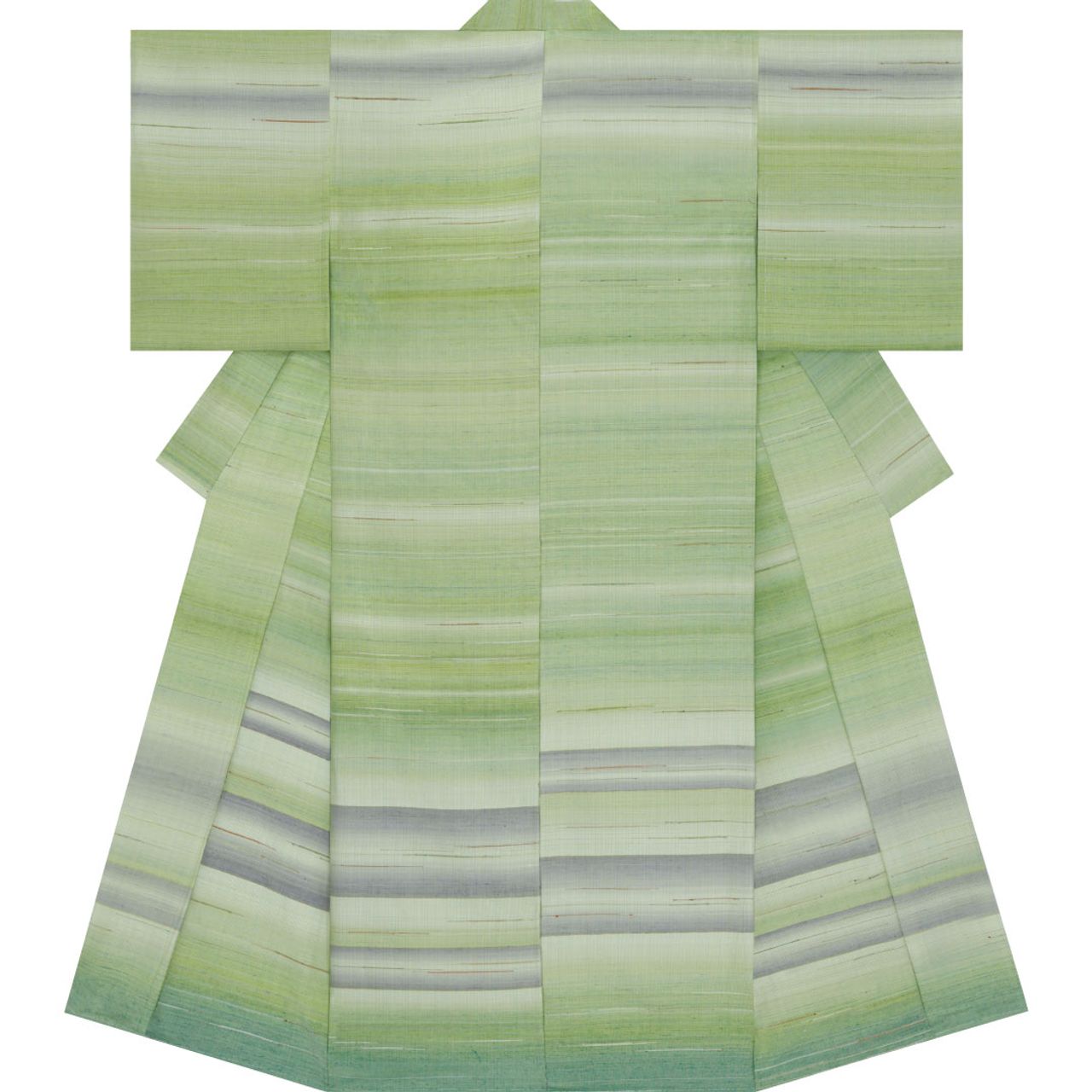
Dyeing and Weaving
The Shimura Family
Influenced by her mother, Fukumi Shimura began weaving tsumugi using threads dyed with natural plants, and later became a Living National Treasure in dyeing and weaving. Her daughter Yōko and grandson Masashi continue this tradition through Atelier Shimura, carrying forward the distinctive aesthetic known as “Shimura no iro” (“the colors of Shimura”).
Fukumi Shimura, “Mori” (Forest), 2025 (Reiwa 7)
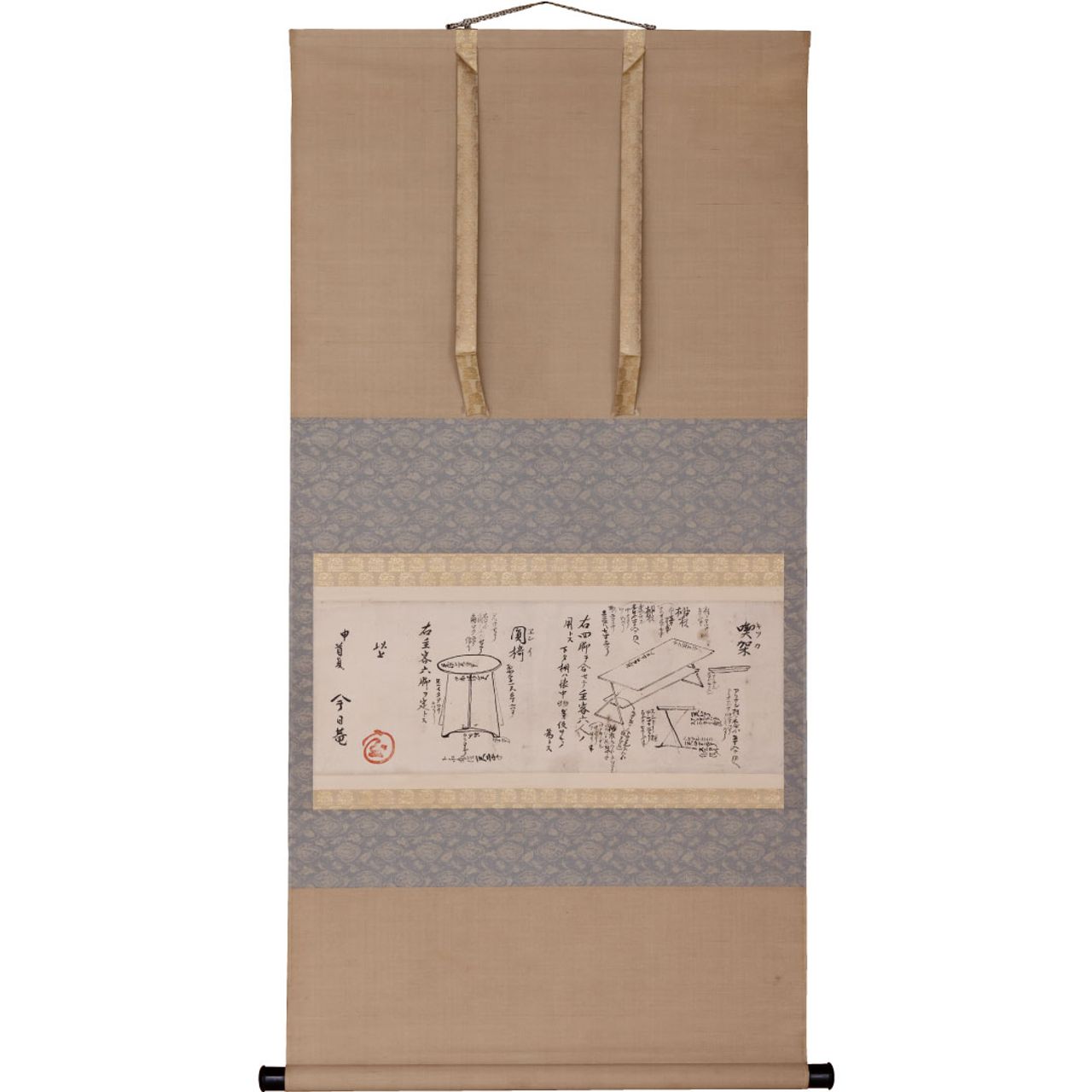
Tea Ceremony – Urasenke
The Sen Family
One of the three main schools of tea ceremony descended from Sen no Rikyū. The family headquarters, Konnichian, serves as the center of Urasenke tradition. Successive grand masters bear the name “Sōshitsu,” and the current head, Zabōsai Sōshitsu XVI, is the 16th in the lineage.
“Rikyū-style Standing Tea Ceremony Diagram and Measurements” — inscription by Tantansai.
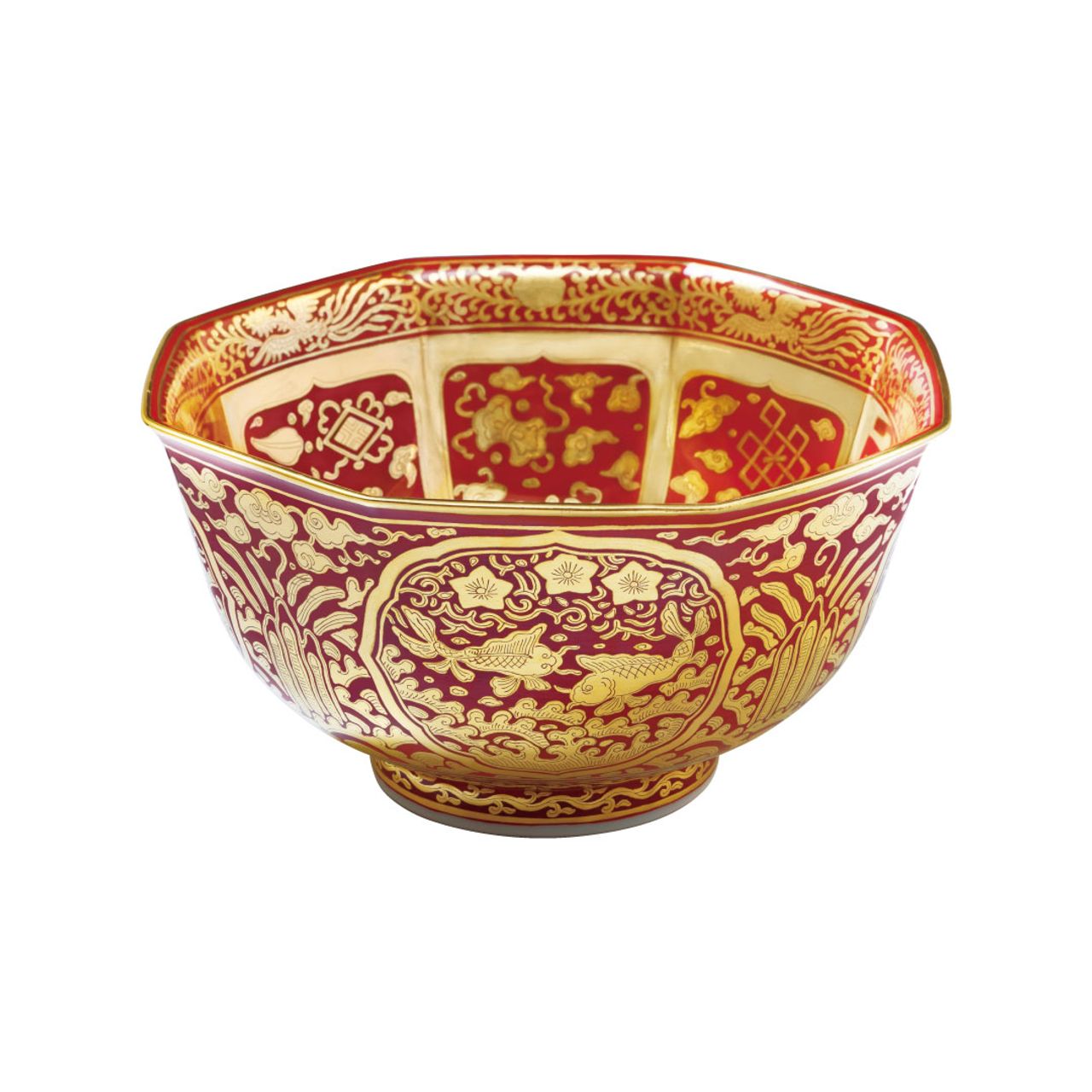
Hyotei
The Takahashi Family
It began as a resting teahouse that also served as a gatekeeper’s lodge within the grounds of Nanzen-ji Temple. With a history of over 400 years, Hyotei is one of Kyoto’s most distinguished traditional restaurants, passed down through generations and beloved by countless cultural figures.
“Kinrande Octagonal Bowl” by Eiraku Sokuzen
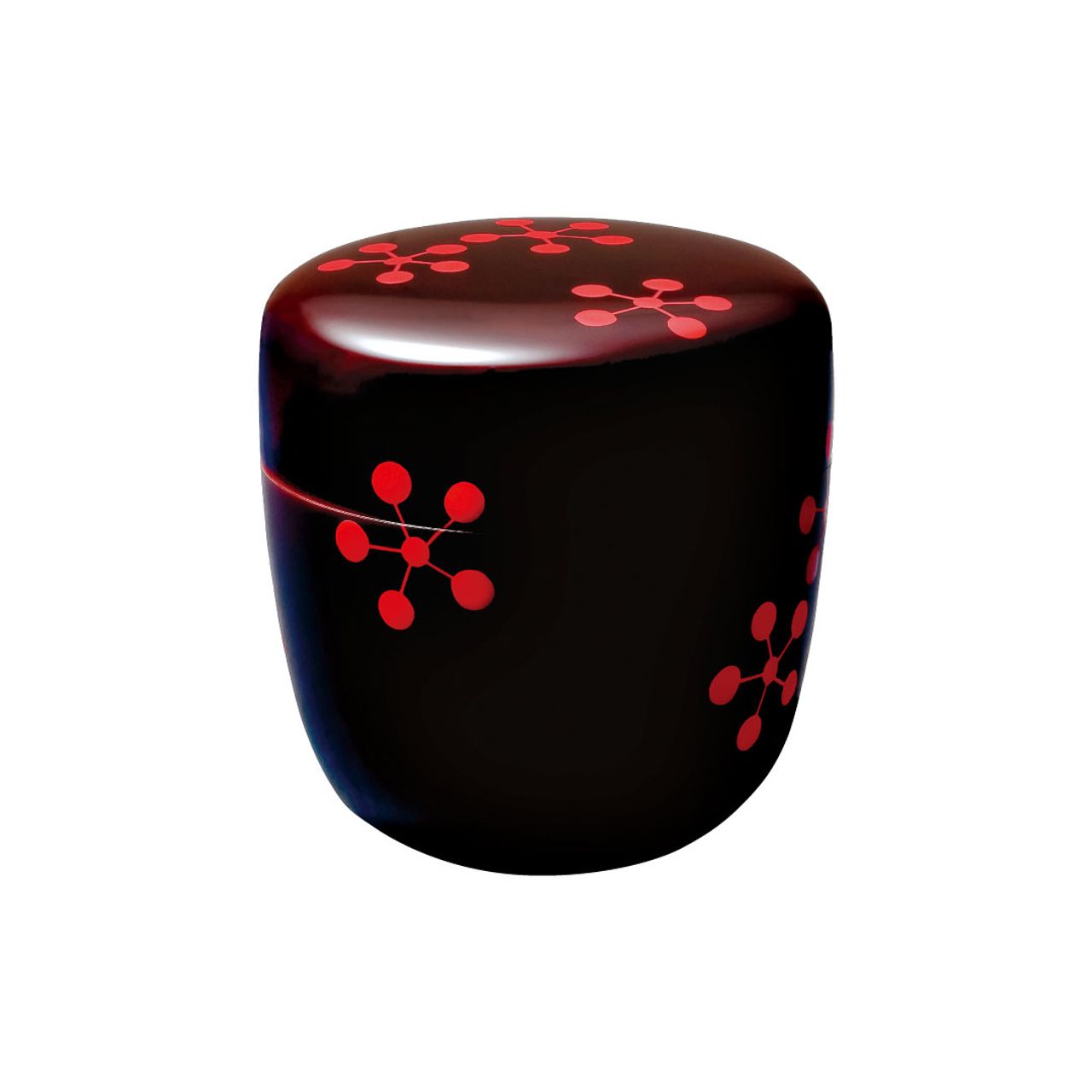
Lacquer Artists
The Nakamura Family
For nearly 400 years, the Nakamura family has specialized in crafting tea utensils for the Sen family schools. Each generation has inherited the name “Sōsetsu.” Remarkably, both the 12th and current 13th heads of the family are women, who continue to carry on and preserve this long-standing tradition.
12th Nakamura Sōsetsu, “Rikyū Ume Lacquered Tea Caddy,” 1990 (Heisei 2)
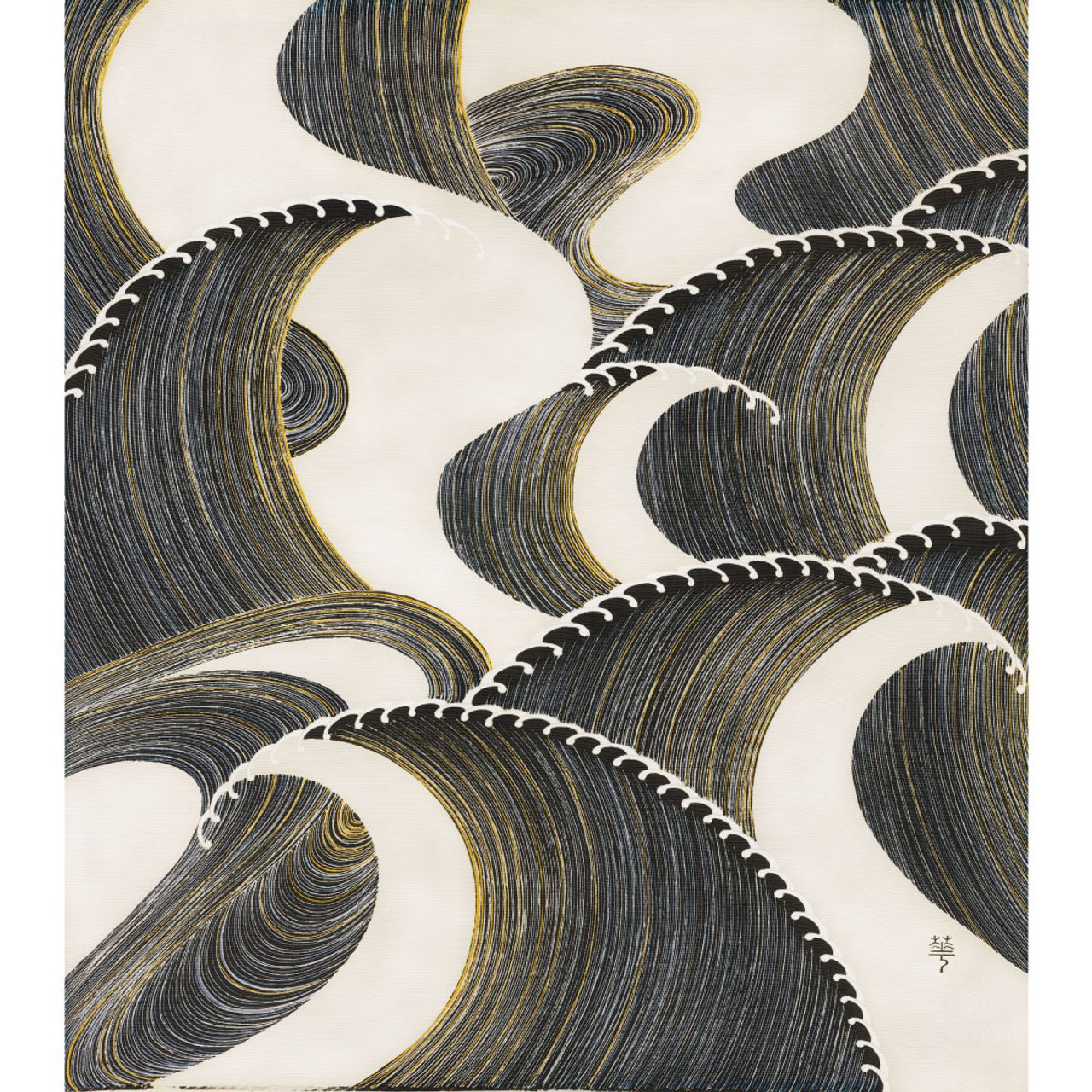
Yūzen Dyeing
The Moriguchi Family
Kahō Moriguchi was designated a Living National Treasure for his mastery of yūzen dyeing using the makinori (sprinkled paste resist) technique. Although working within the same “yūzen” tradition, his second son Kunihiko Moriguchi was also designated a Living National Treasure, known for his innovative designs that differ from those of his father.
Kahō Moriguchi – Yūzen Dyeing,
Study piece “Sound of the Sea”
Shōwa 46 (1971)
Raku Ware Kiln
The Raku Family
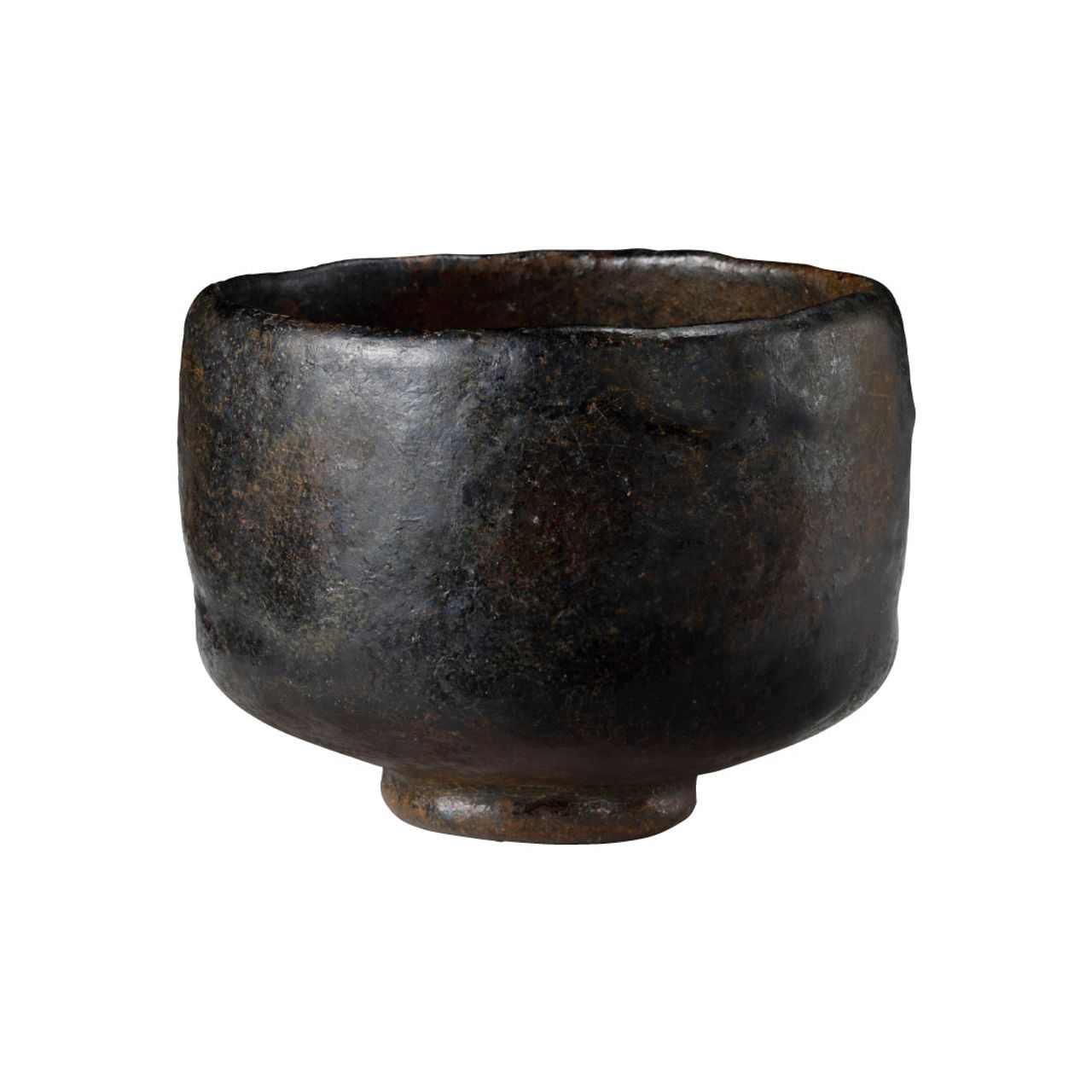
Inheriting the creative spirit of Sen no Rikyū, the Raku family has carried on the traditions and techniques of Raku ware for approximately 450 years. In July 2019 (Reiwa 1), the 16th-generation master, Kichizaemon, succeeded to the family lineage.
Chōjirō, First Generation – “Black Raku Tea Bowl, Title: Yorozuyo (Eternal Prosperity)”
Collection of the Raku Museum.
Reizei School of Kadō
The Reizei Family
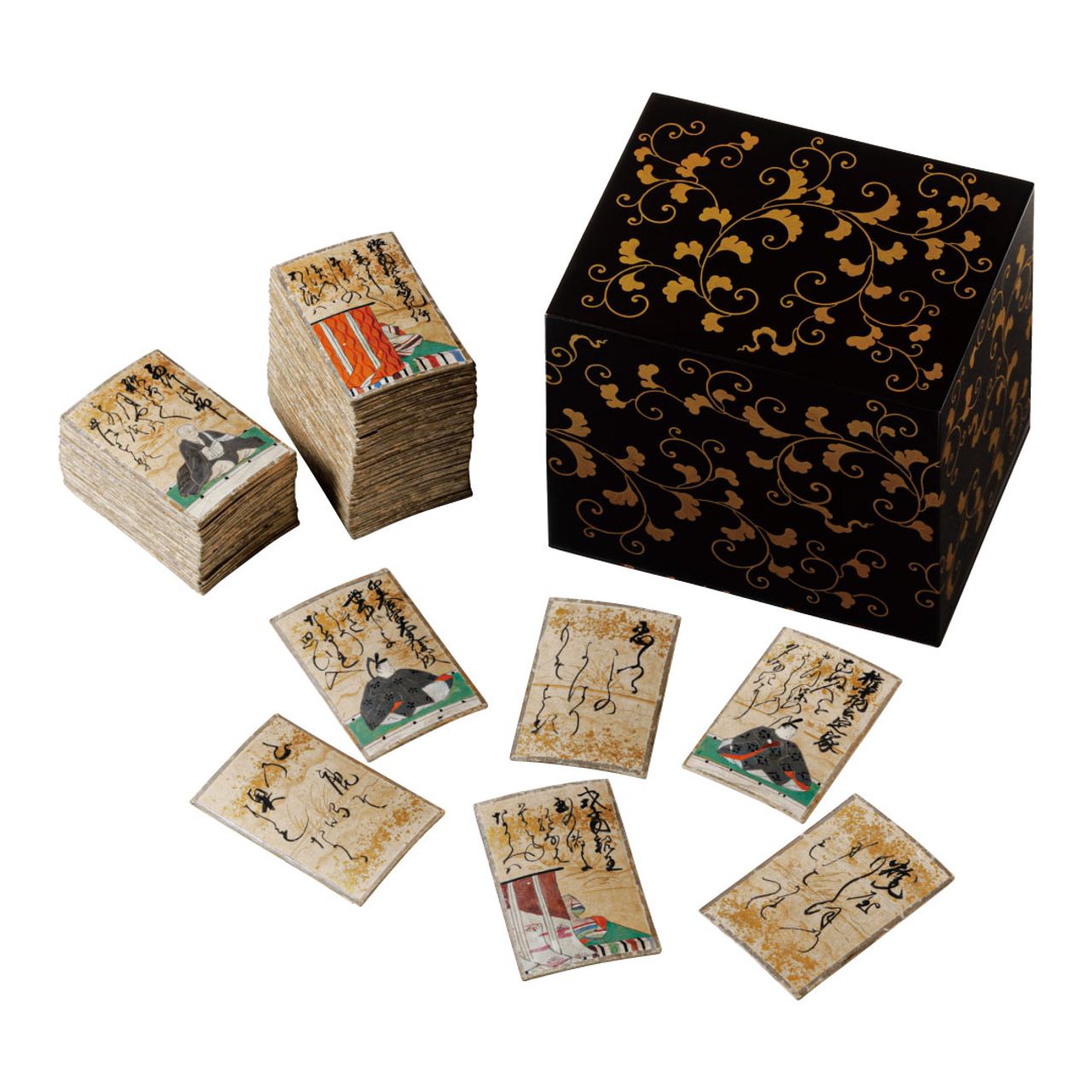
Tracing its origins to the poets Fujiwara no Shunzei and Fujiwara no Teika of the Heian and Kamakura periods, the Reizei family is now led by its 25th-generation head. As one of the principal hereditary schools of Japanese poetic tradition (kadō), it continues to preserve and transmit the teachings of the Reizei School.
Hyakunin Isshu Karuta
Late Edo period
Reizei Family Shiguretei Library Collection
(In Japanese syllabary order)
Events
Exhibition of collaborative works / Special Talk
Ikebō Senjū (Ikebana artist & photographer) × Raku Masaomi (sculptor)
Born into two families with long and continuous histories, Senshu Ikebono of the Ikebono School and Masaomi Raku of the Raku family—each active in different artistic fields—take on their first collaboration and speak in front of their works.
Date & Time: Saturday, December 27 – approx. 30 minutes from 11:15 a.m.
Venue: 8F Event Square – inside the “Special Exhibition: Kyoto – Twelve Houses”
Tickets:
- With seating / Advance reservation: 4,000 yen (includes a gift + admission) – Limited to 30 people
- Standing / Advance reservation: 2,000 yen (admission included) – Limited to 80 people
How to participate: Advance reservation via Lawson Ticket
Sales begin December 1 (Mon)
L-code: 38670
*Please note: Admission may be temporarily restricted in case of congestion.
Ticket purchase: https://l-tike.com/event/mevent/?mid=770113
Reception time: Starts at 11:00 a.m.
- Guests with seating must be seated by 11:15 a.m. (seats assigned by serial number).
- Guests without seating must enter by 11:15 a.m.
Special Talk Schedule
11:15 〜 approx. 30 minutes
11:45 Q&A session
11:50 End (You may continue viewing the exhibition afterward.)
Guests who cannot attend the talk on the day may still view the exhibition during the exhibition period by presenting their Special Talk ticket. The gift for seated-ticket holders can only be redeemed on the day of the event.
Gallery Talk by Ito Hisashige XII (Gosho Doll Master, 12th Generation)
With round faces, white skin, and gently smiling eyes, Gosho dolls are traditionally presented at Imperial celebrations. Hisashige Ito XII will speak about the challenges and philosophy behind creating these dolls.
Date: Friday, January 16, 2026 – approx. 30 minutes from 2:00 p.m.
Venue: 8F Event Square – inside “Special Exhibition: Kyoto – Twelve Houses”
Admission: Free seating / No reservation required
*An exhibition admission ticket is required.
A Century of Fujingaho: The Editor-in-Chief Reflects on 120 Years
Editor-in-Chief Fumi Nishihara discusses how Fujingaho has observed society and created its pages over the past 120 years, while showcasing selected archives that trace the magazine’s evolution.
Date: Thursday, January 8, 2026 – approx. 30 minutes from 2:00 p.m.
Venue: 8F Event Square – inside “Special Exhibition: Kyoto – Twelve Houses”
Free seating / No reservation required
*An exhibition admission ticket is required.
Ikebana Exhibition Supervised by Ikenobō Senkō Wakaryūshō
Not only vibrant flowers, but even insect-eaten leaves and dried foliage are seen as expressions of the life of plants in the Ikebō style, where beauty is discovered in every form of nature. Since this philosophy was established in the late Muromachi period by Sen’ō Ikenobō, the Ikenobō school’s Rikka style has remained a central presence in the world of ikebana. A Rikka arrangement supervised by Ikenobō Senkō Wakaryūshō will be displayed at the exhibition entrance for the entire duration of the event.
Commemorative Event: “Treasures of Kyoto—Connecting Traditions” (Free Admission)
To commemorate this exhibition, a curated collection of distinguished Kyoto craftsmanship will be showcased in a special, limited-time select shop.
Venue: 8F Event Square
Planned exhibitors: Atelier Shimura, Kagizen Yoshifusa, Kaikado, Kazurasei, Kyoto Murakami Kaishindo,
Shoyeido Incense, Suetomi, SUETOMI AoQ, Toraya, Hara Ryokaku, Hyotei
*Images may include samples.
*All prices include tax.
