

2026.05.06
Introduction to Primary Art
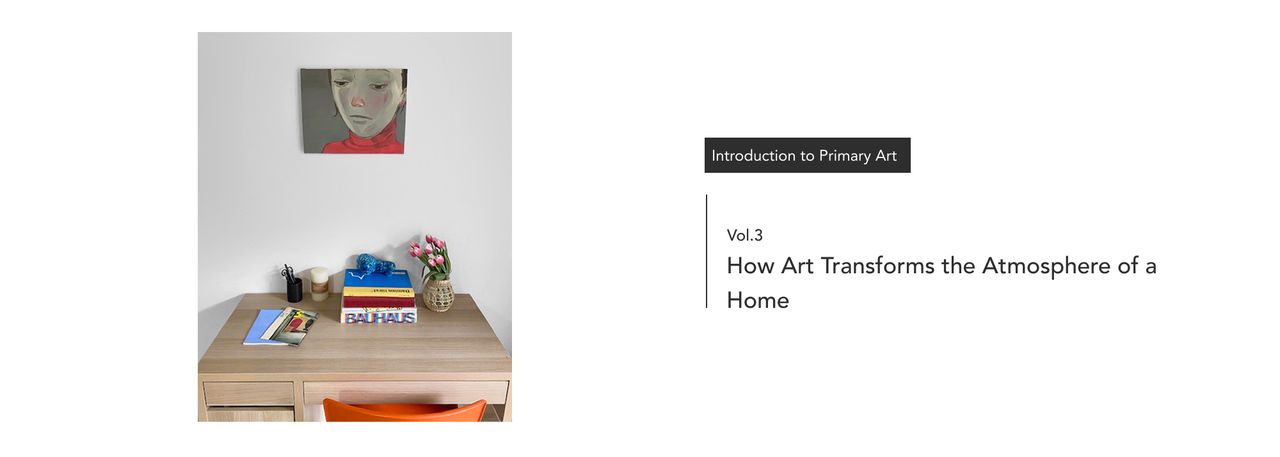
Vol.3 How Art Transforms the Atmosphere of a Home
Once you’ve acquired a piece of contemporary art, it’s time to display it in your home. The moment you hang it on the wall, you’ll feel the atmosphere of the room transform. Displaying art is like placing the final piece that completes your interior. It brings harmony to the entire space and serves as a “final touch” that expresses the personality of its inhabitants.
In this third edition, we introduce ideas for beautifully displaying art
“Art is the final touch of interior design.”
When your favorite artwork arrives, start by holding it and walking around your home. Observe how it interacts with the background—how it looks against different walls and how its expression changes depending on the light. Considering its colors, shapes, and overall mood, imagine where it would best fit in your space. This very process of choosing the perfect spot is itself a luxurious way to enjoy art.
Art in Everyday Living: Scenes by Space
Entrance: The place that sets the first impression of your home. As the “face” that welcomes guests, choose a symbolic piece.
Living Room: A space where family gathers. Display art in a spot that naturally draws attention, allowing it to become the focal point of the room.
Bedroom: A place to relax and unwind at the end of the day. Works with calm and soothing tones are ideal.
Hallways, Stairs, Restroom: Small transitional spaces in daily life. Having art appear in these moments brings rhythm and subtle joy to everyday living.
Points to Consider When Displaying Art
Watercolors and pastel works are very delicate. To prevent fading, avoid placing them in direct sunlight. On the other hand, oil and acrylic paintings are relatively more resistant to light.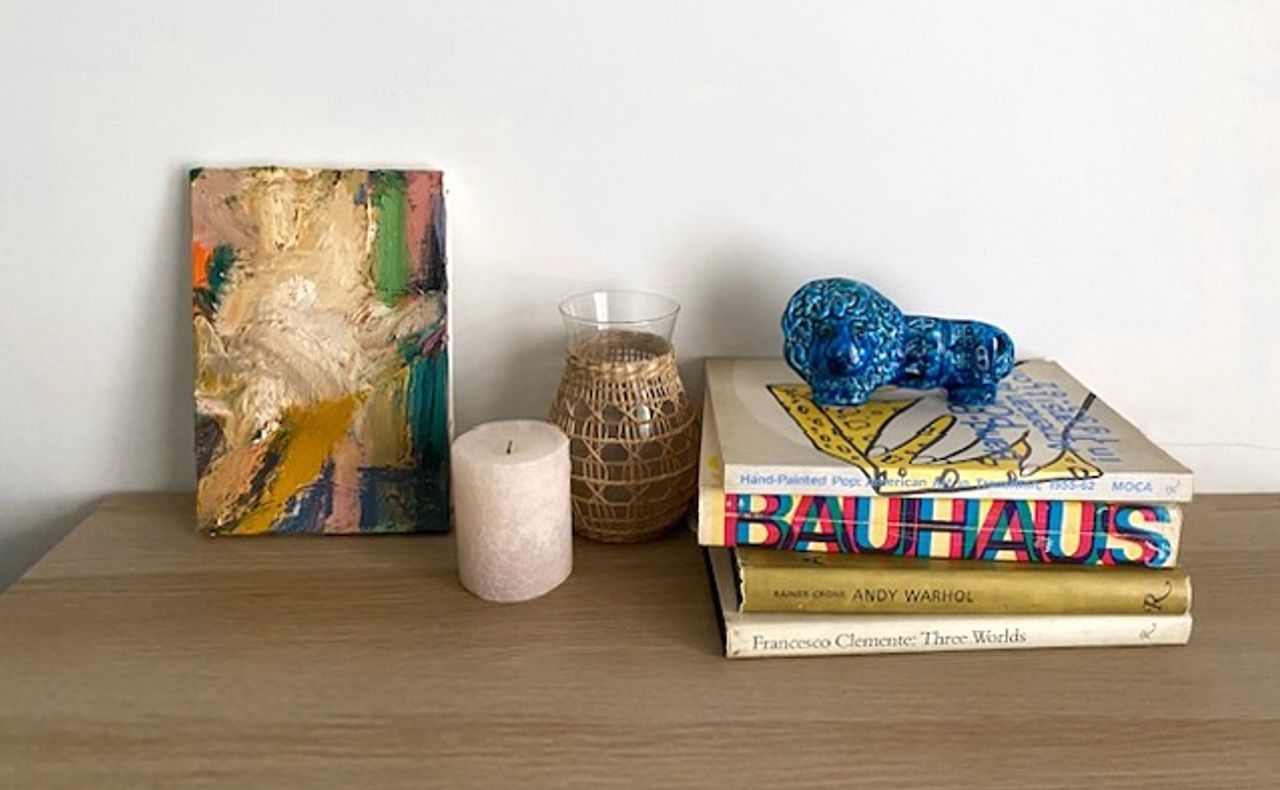
Ways to Display Art: Variations and Techniques
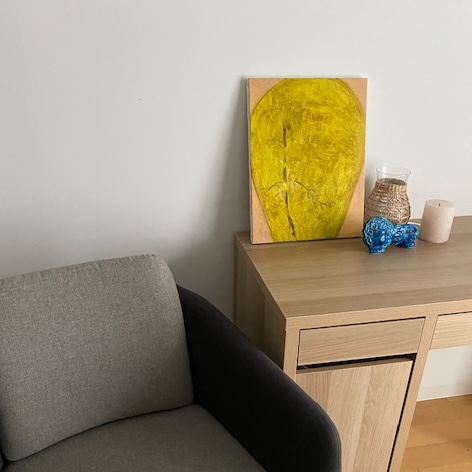
1 | Enjoy a relaxed displayst
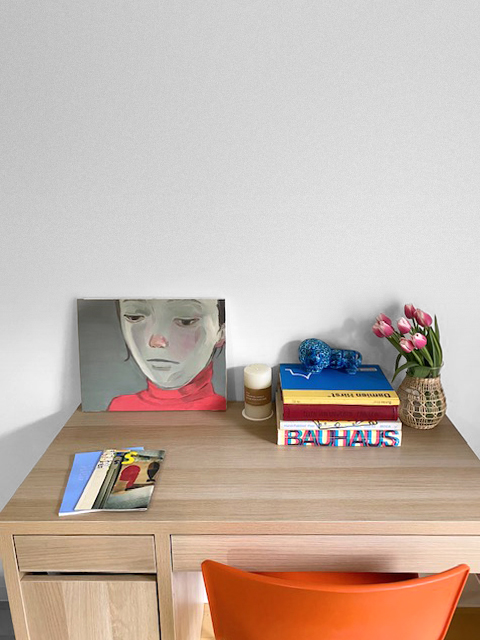
If you cannot make holes in the wall or prefer a more casual approach, placing artwork directly on the floor or leaning it against a chest or desk is also a great option. It creates a relaxed, effortlessly stylish atmosphere.
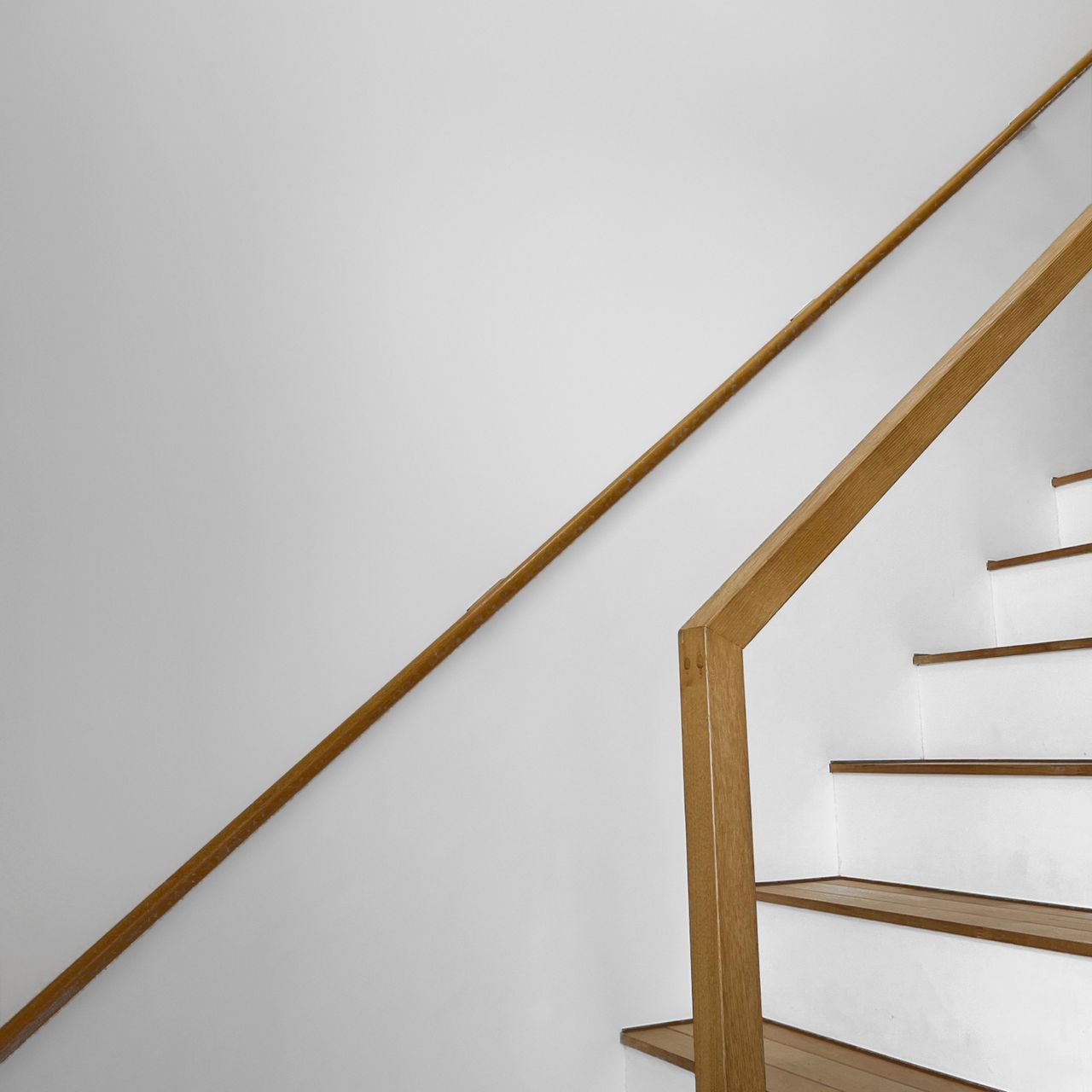
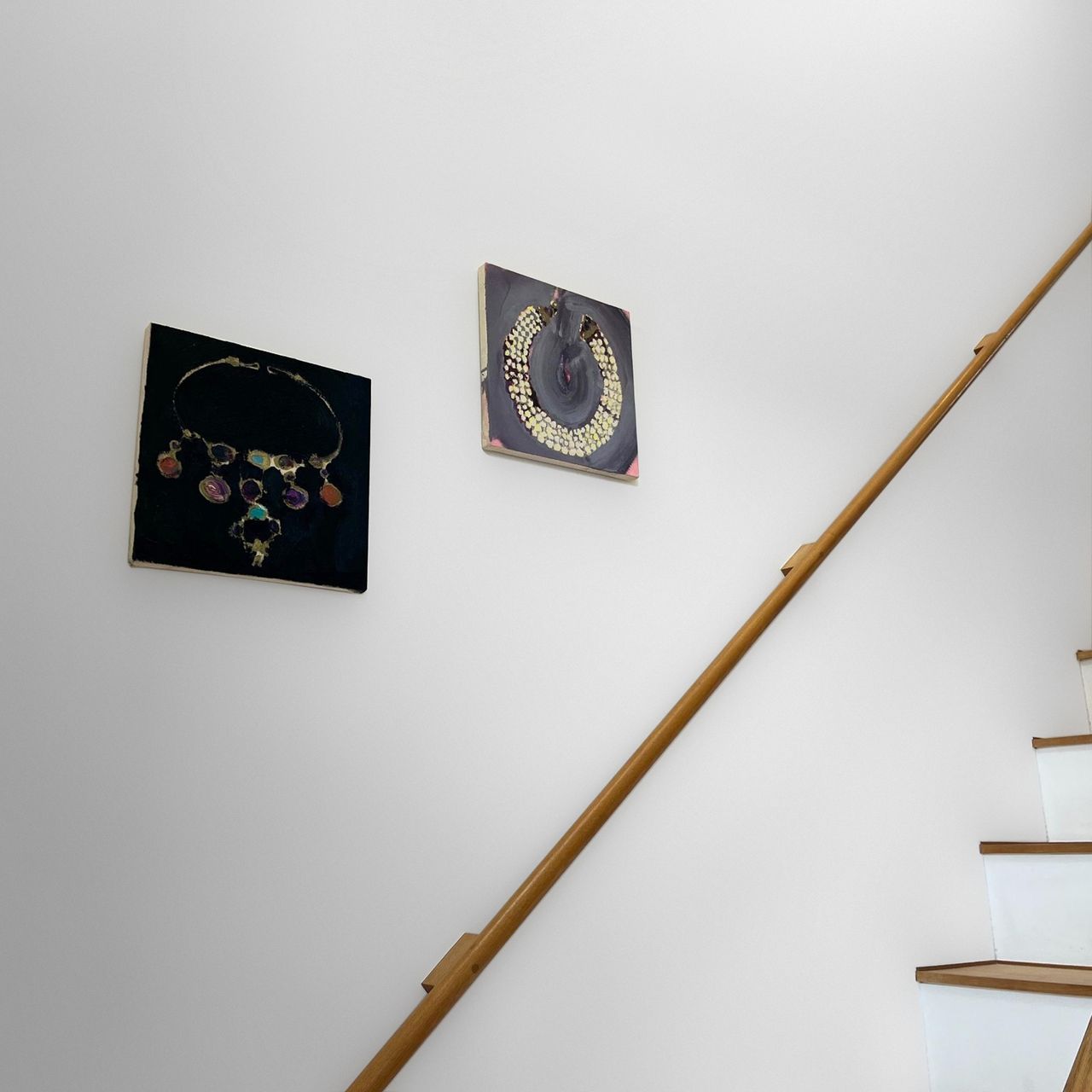
2 | Create a gallery-style display
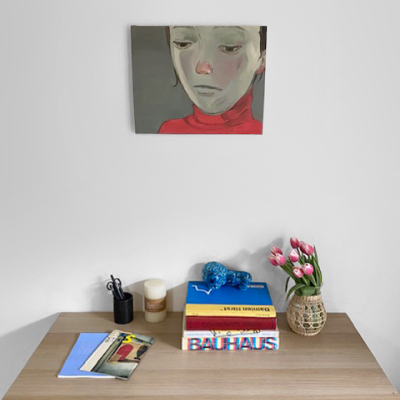
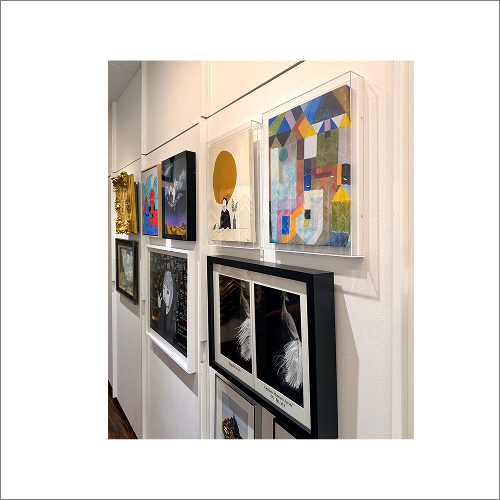
Instead of displaying just one piece, arranging multiple artworks together can create a gallery-like effect, offering a more dynamic and visually engaging space.
3 | Understanding the right height
When hanging artwork on a wall, galleries typically position it so that the center of the piece is about 150 cm from the floor. At home, it’s best to adjust the height based on the surrounding furniture and overall balance of the space.
4 | Arranging multiple artworks
You can display multiple pieces close together for a cohesive look, or space them apart to enjoy the sense of openness and negative space. Both approaches create different atmospheres and are worth exploring.
Tips for Harmonizing Art with Your Space
To integrate art seamlessly into your interior, pay attention to the overall “color” and “atmosphere” of your furniture and room.
Create harmony: Matching the colors of the artwork with furniture, cushions, or rugs creates a cohesive and refined space.
Add contrast: Displaying artwork in vibrant colors that differ from the room’s tone can serve as an accent, adding a striking focal point.
Frame coordination: As introduced in the previous issue, choosing frames (wood, metal, etc.) that match the texture and color of your furniture is key to achieving a unified look.
Related Art
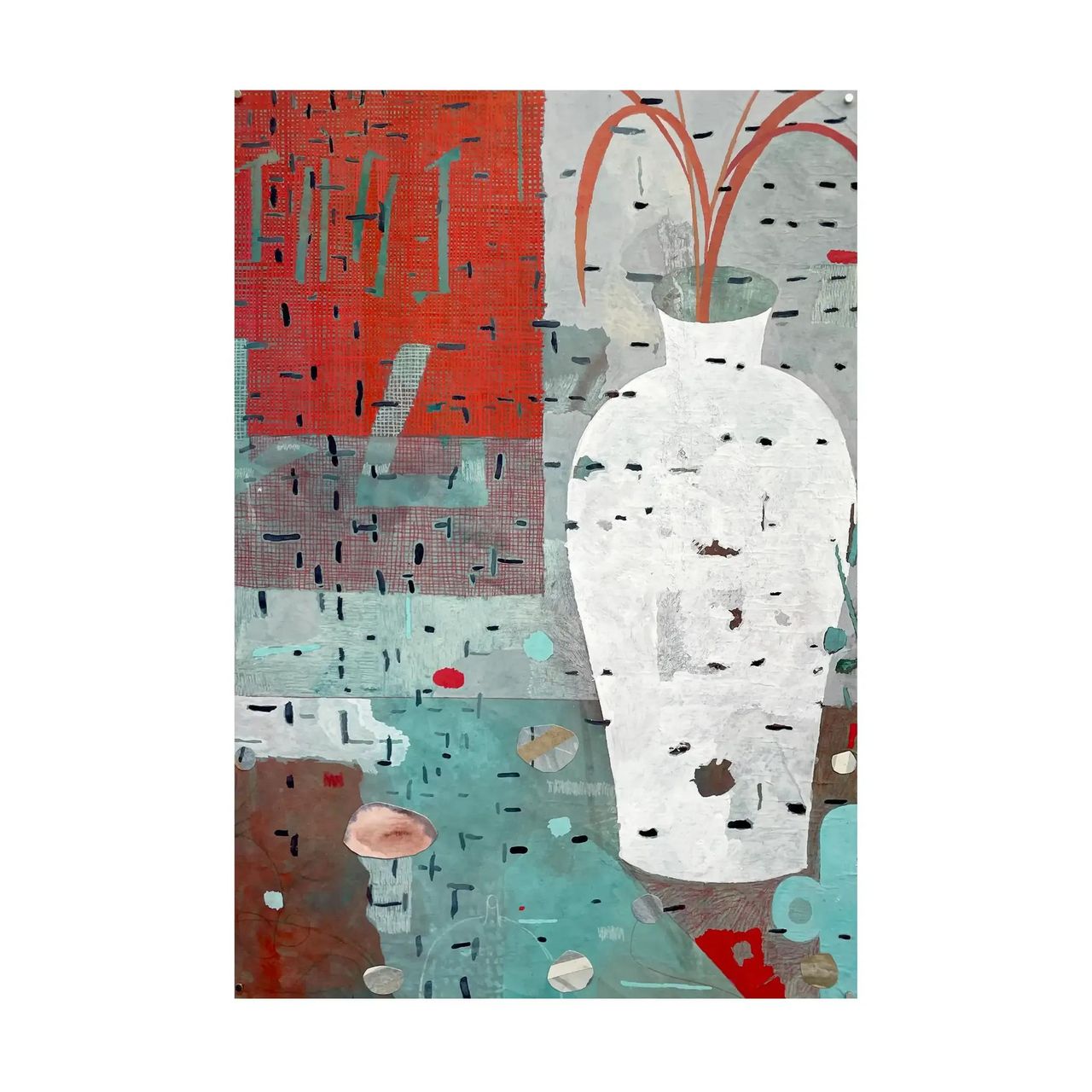
Recommended for Your First Piece
Previous Articles

Next Preview – Scheduled for June
How to Start an Art Collection — Insights from a Gallerist
For those who are interested in contemporary art but feel that purchasing it is a high hurdle,
we speak with one of Japan’s leading gallerists, Tomio Koyama, to share tips on taking that first step.


