

2026.04.08
Introduction to Primary Art
Vol.2 What does it mean to frame artwork?
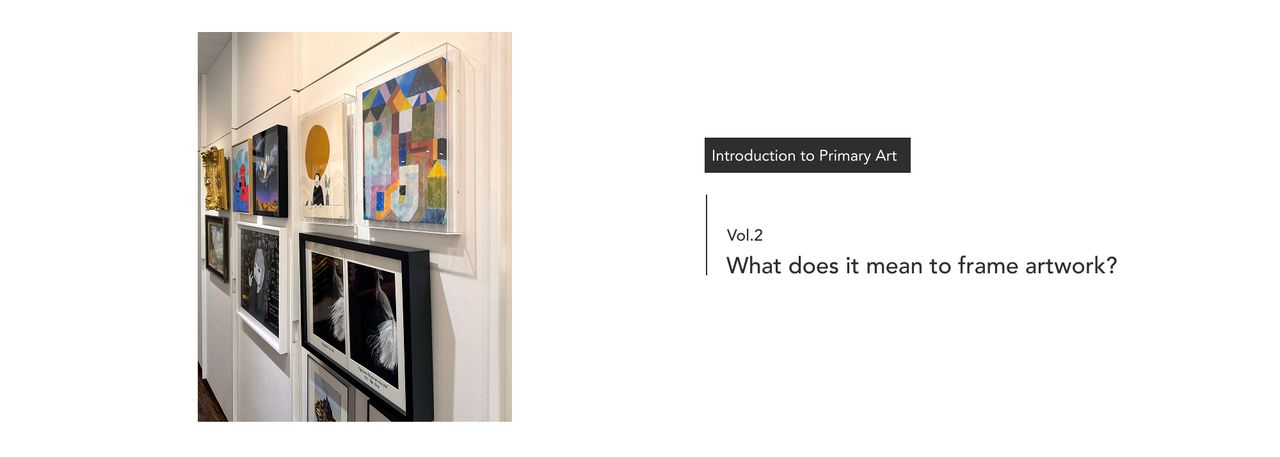
Once you’ve acquired a piece of contemporary art you love, the next thing to understand is framing.
In this second installment, as a preparatory guide for welcoming your first artwork, we explain key points to keep in mind when framing art. Let’s explore the basics of framing to maximize the appeal of your artwork and integrate it naturally into your daily life.
Framing Basics
Protecting the artwork and connecting it to your space
In museums, oil paintings on canvas are often displayed in beautifully crafted, ornate frames—but that is not the only correct approach. Some prefer a more casual style, displaying the canvas as is, while others carefully protect delicate works on paper with framing that enhances their beauty.
Two roles: decoration and protection
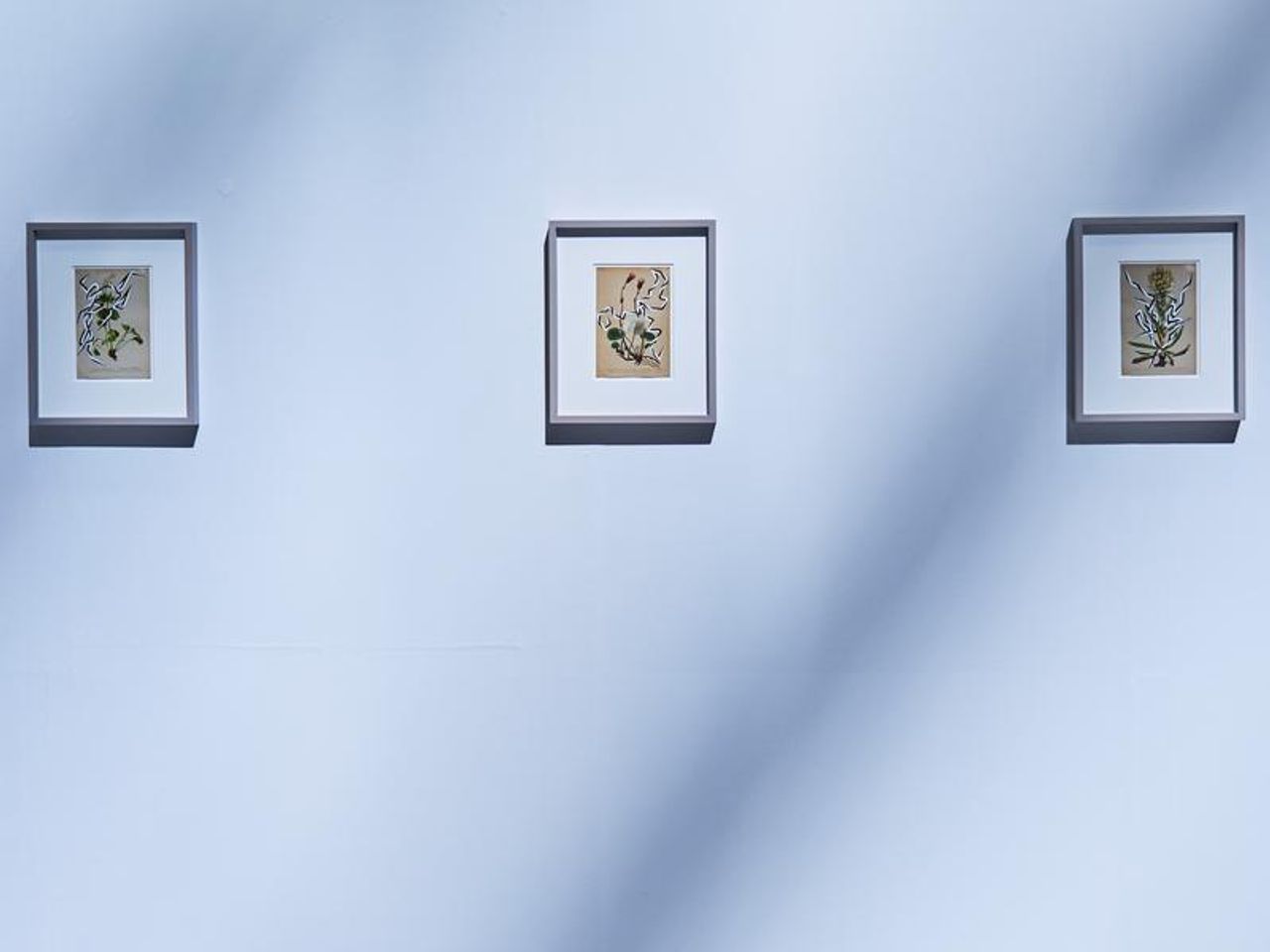
There are reasons beyond decoration why famous paintings are framed. For example, traditional “Western canvas,” long used in Europe, is stretched around the sides of the frame. Framing helps conceal the nails on the sides and creates a cleaner appearance.
On the other hand, contemporary artworks often use “gallery canvas,” where the canvas wraps neatly around the edges. In such cases, it has become increasingly common to display the artwork without a frame. Additionally, applying acrylic or similar materials over the surface helps protect the artwork—another key role of framing.
Recommended styles by material
There are many framing styles. Here are some commonly used options for contemporary art:
Canvas works: Wooden frames are the most common. With a wide range of colors and thicknesses available, you can choose a frame that complements the artwork or matches the atmosphere of your room. Framing enhances the presence of the piece while helping it blend harmoniously into the space.
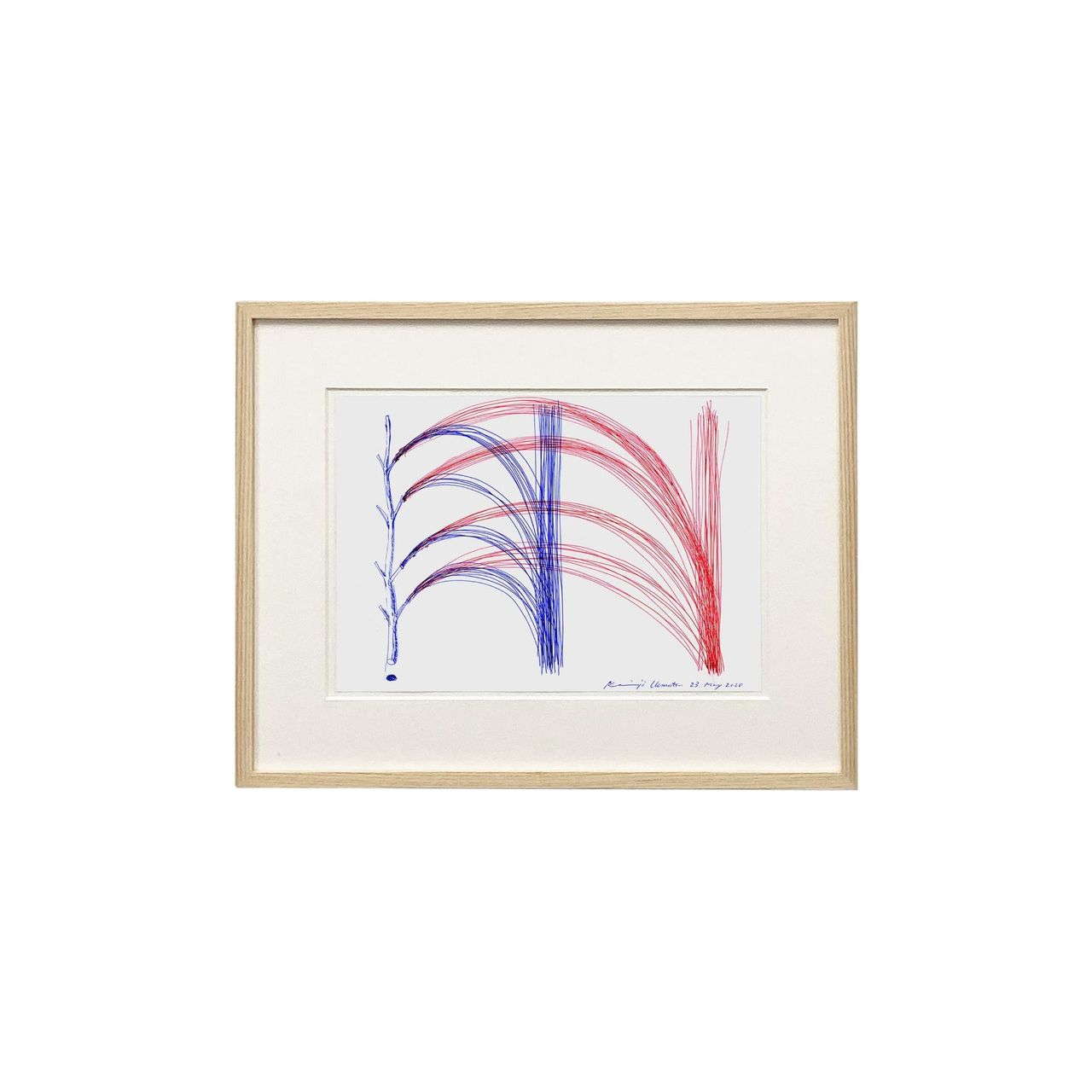
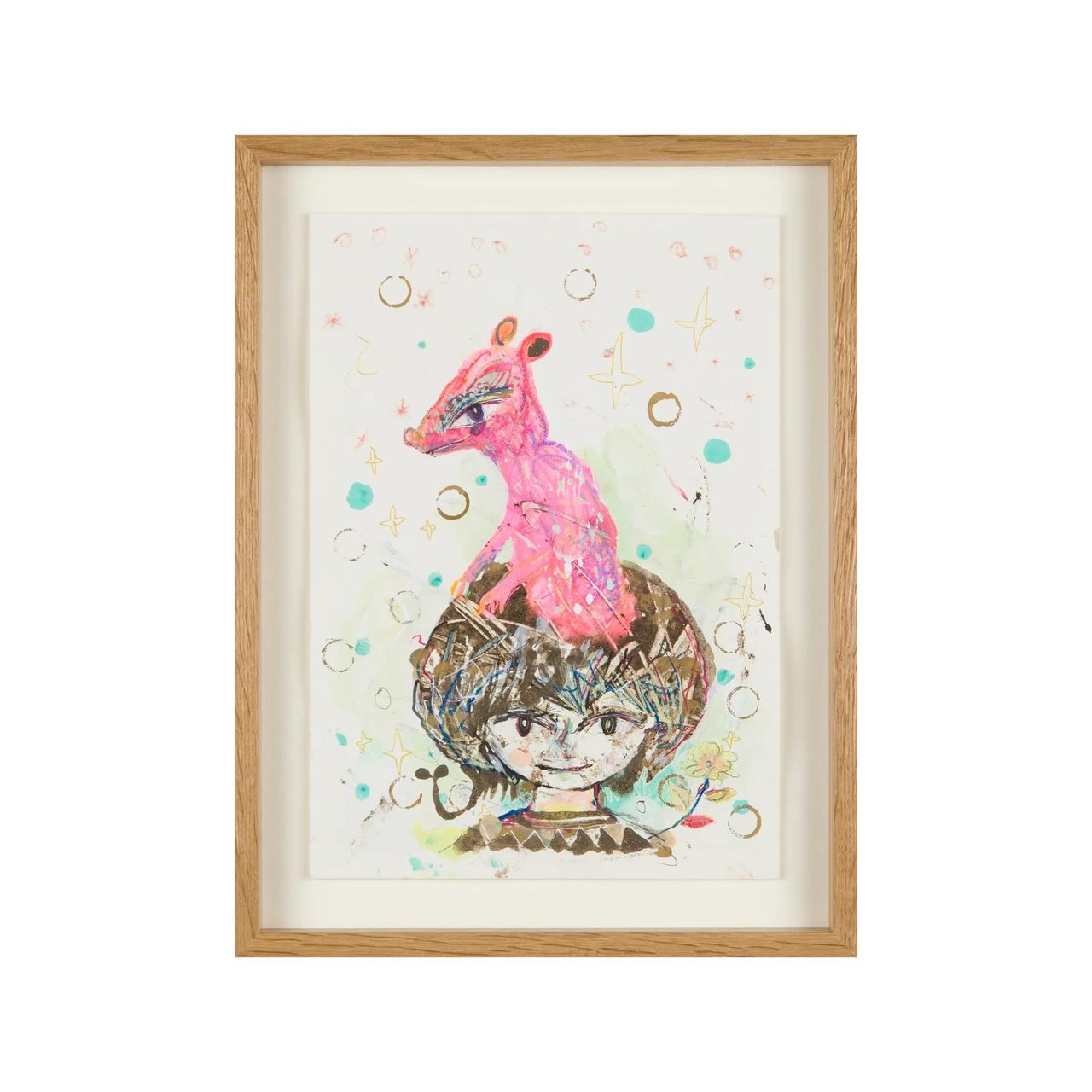
Works on paper: It is standard to choose a frame slightly larger than the artwork. By surrounding the piece with a mat (mount board), you create space around it, naturally drawing the viewer’s eye to the artwork.
There are also styles that place the artwork in a deep frame, creating space between the surface acrylic and the piece—an approach often seen in contemporary art. Framing styles are highly diverse.
Varies greatly between ready-made and custom
The cost of framing varies significantly depending on whether you use ready-made frames or opt for custom framing.
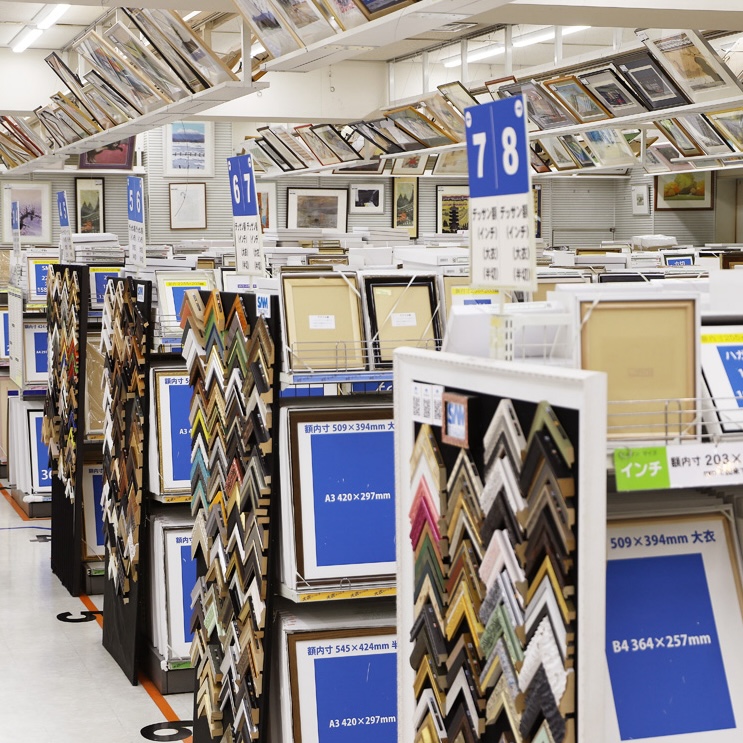
Ready-made frames: At art supply stores, you can choose from a variety of ready-made frames and mats based on the size of your artwork and your preferred color. This allows you to achieve your desired finish easily. For works on paper—such as drawings, watercolors, and photographs—it is common to select a ready-made frame slightly larger than the artwork, along with a mat board to surround it.
Custom framing: Another recommended option is to visit a specialty framing shop and consult with experts to create a one-of-a-kind frame. While many contemporary artworks use gallery canvas, some still use traditional “Western canvas” with visible nails on the sides.
If you wish to conceal the sides, a simple wooden frame can be used. Since the frame must fit the canvas perfectly and be selected according to the artwork, custom framing is often the preferred choice.
Framing Steps - The Process to Completion
Here is a general overview of the process, designed to be reassuring even for first-time customers. This time, we learned about the framing process at Jinpra’s Ebisu showroom, a specialist in framing and picture frames.
Step 1: Bring in your artwork and consult a specialist
Bring your favorite artwork to a framing shop. Together with a specialist, you will discuss the type of artwork (canvas, paper, etc.), the atmosphere of the space where it will be displayed, and your preferences.
Step 2: Decide on specifications
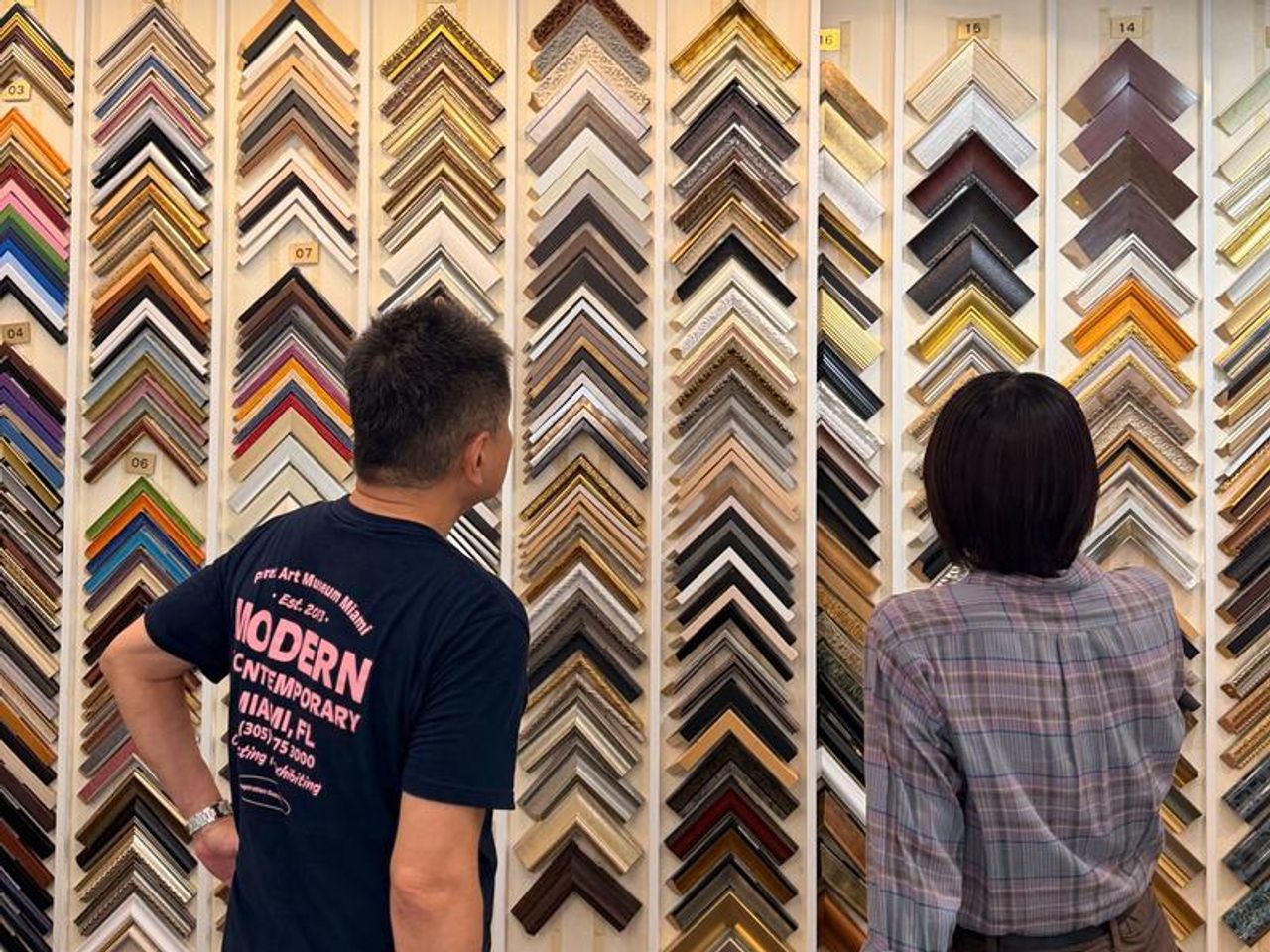
・Frame type and material
Frames come in various types such as wood and metal.
Wooden frames offer warmth, and their texture and impression vary depending on the type of wood (oak, ash, etc.). Metal frames create a modern and sharp impression.
・Joining method
Frame joints can be made using V-nails (metal fasteners) or traditional woodworking methods such as chigiri. The chigiri method is known for being resistant to cracking.
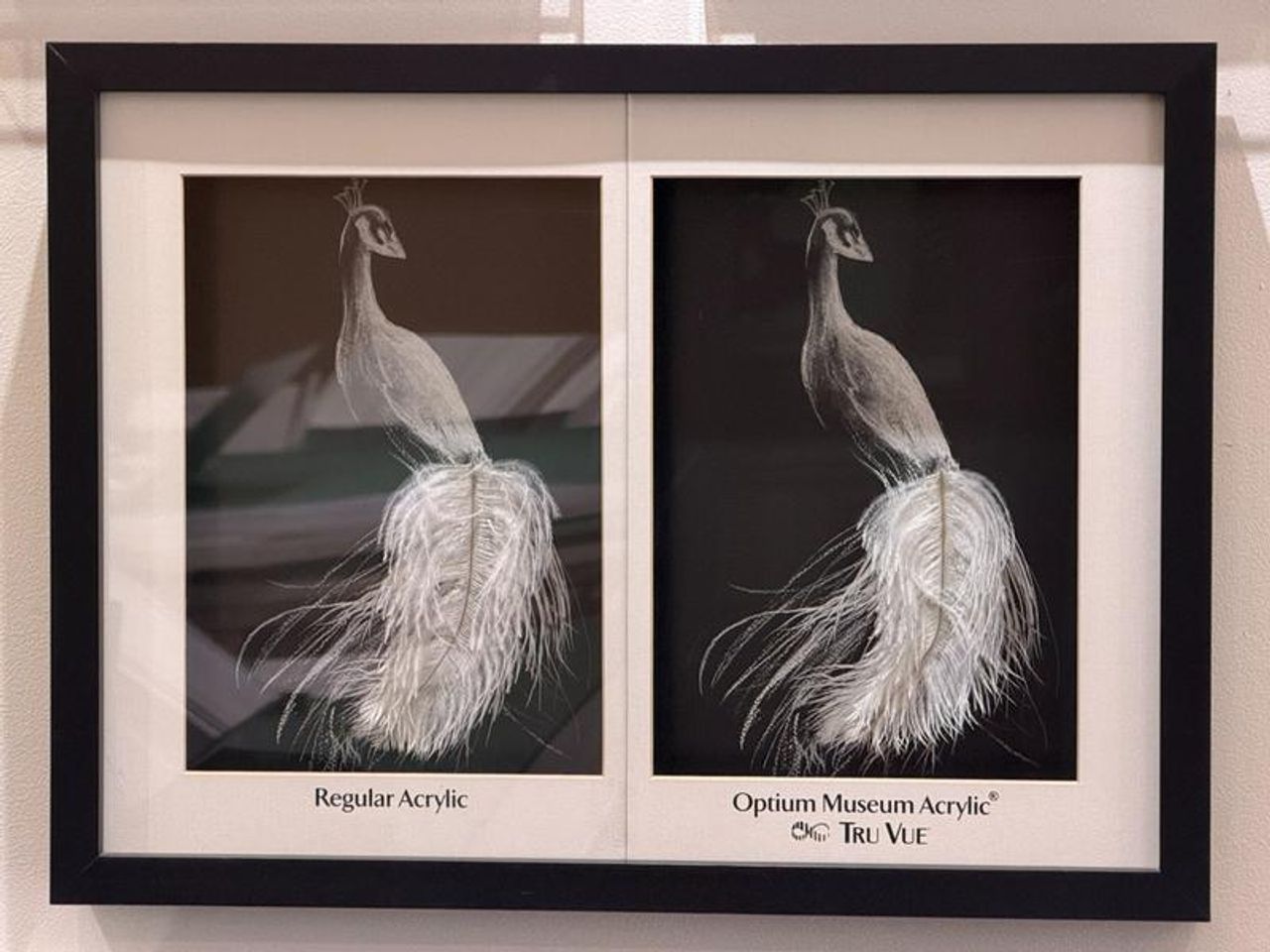
・Acrylic panel (presence and type)
Decide whether to include an acrylic panel.
Types include:
- standard acrylic
- anti-reflective acrylic
- museum acrylic (high-quality, low reflection)
- UV-protective acrylic (prevents fading)
Each type suits different environments. For some works, such as canvas pieces, framing may be done without acrylic.
Step 3: Choose a framing method
There are various framing styles depending on the artwork:
- L-frame: suitable for canvas works. The gap between the artwork and the frame is minimal, so the sides are barely visible. Since the frame or liner (the inner frame in a double structure) does not overlap the surface of the artwork, the entire piece can be displayed cleanly and neatly.
- Floating frame: makes the artwork appear suspended
- Acrylic box: encloses the artwork in an acrylic case
- Edge fixing: secures the edges of paper works
- Mat (mount): placed between the artwork and acrylic to add depth and prevent direct contact (typically around 2mm thick, usually white with variations)
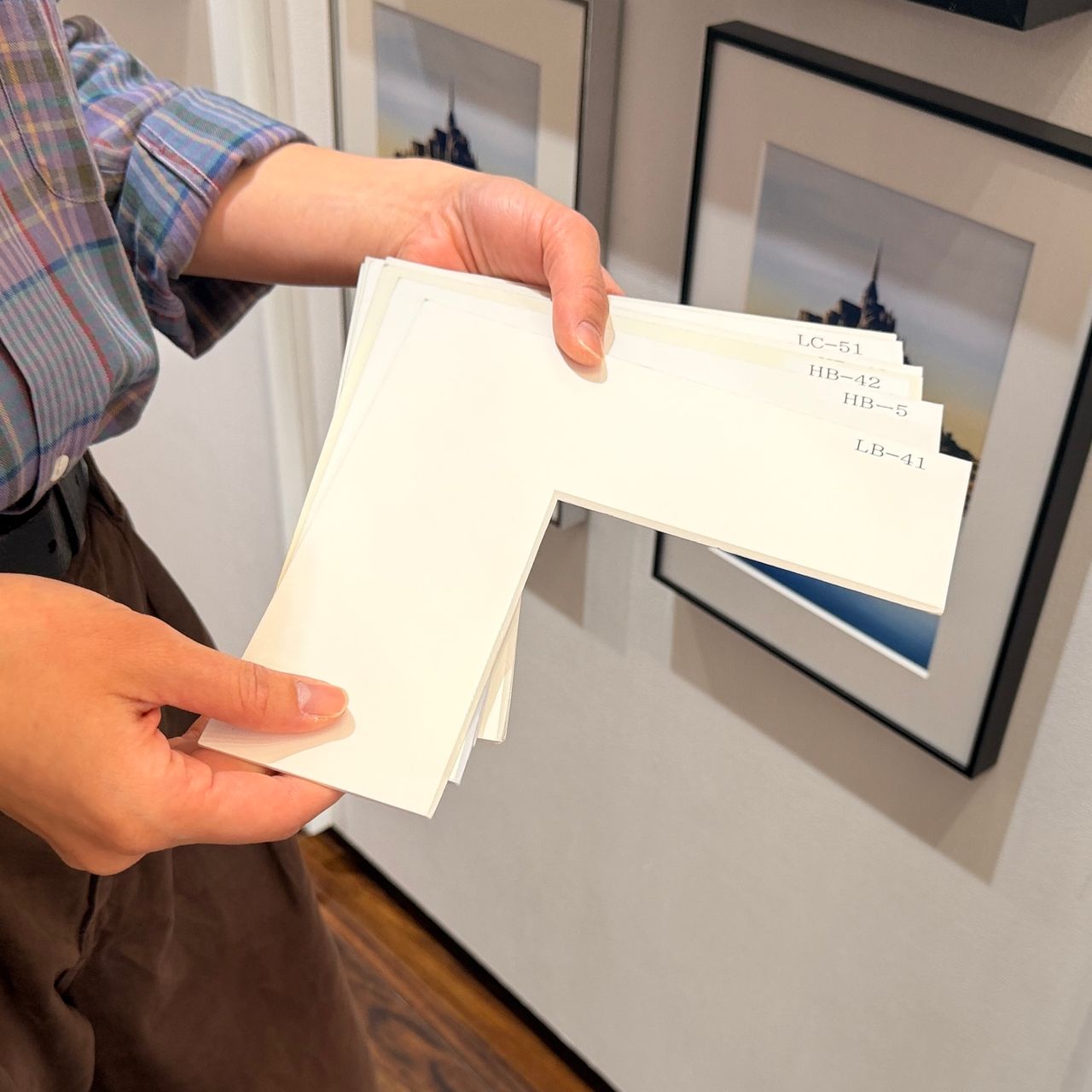
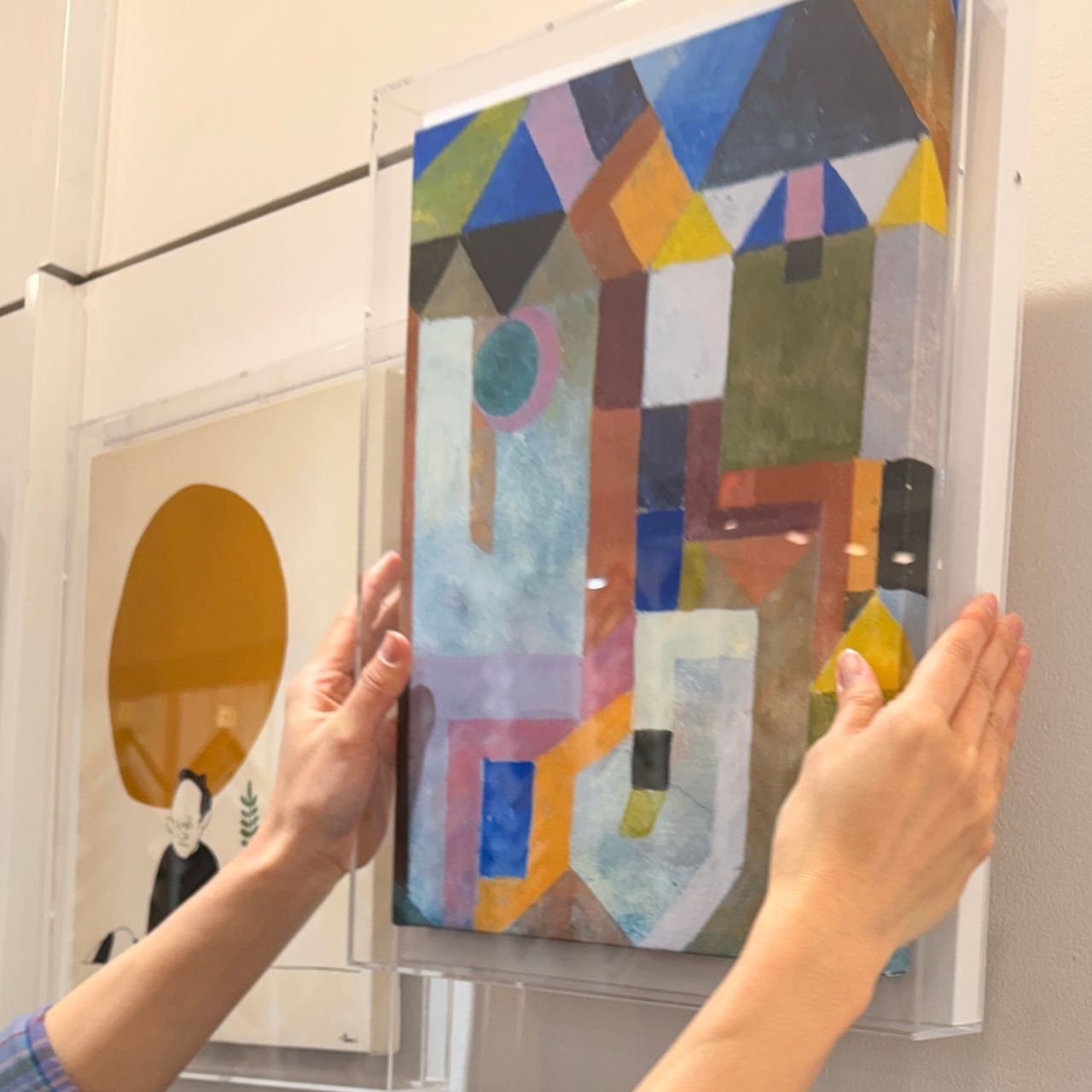
Step 4: Lead time and delivery
At Jinpra, the usual lead time is about 2 weeks. For items requiring outsourcing (such as acrylic boxes), it may take 3–4 weeks. At delivery, the artwork is provided in protective packaging such as a lidded box or slipcase. In galleries, it may also be delivered in a fabric bag.
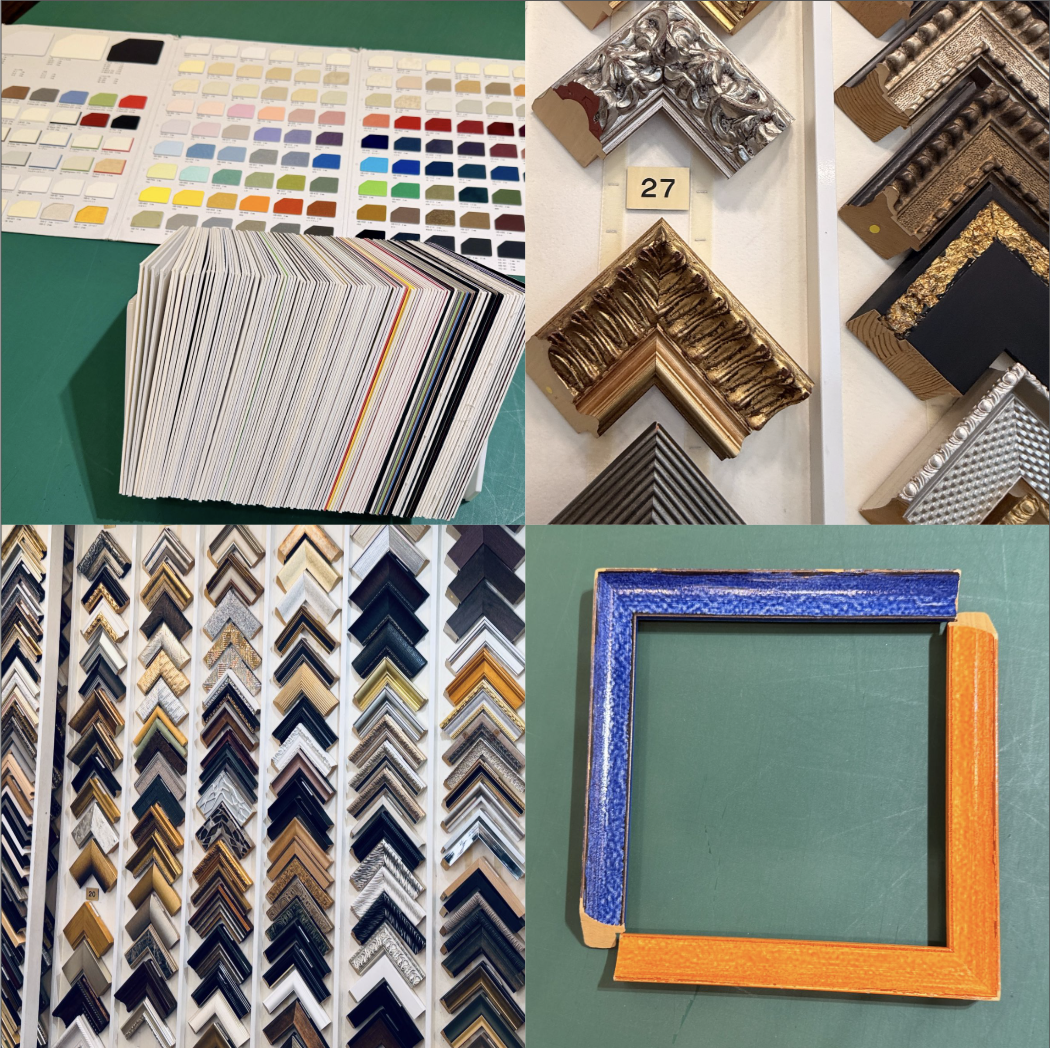
Useful Framing Tips
1|How to choose a frame
One of the appeals of framing is the freedom of design, such as using different colors on each side. Key points include: matching the frame to the artwork’s colors (e.g., silver for blue tones), choosing a simple frame to highlight the artwork, opting for decorative frames to unify the overall impression
2|Ready-made vs custom framing
Ready-made frames are more affordable and quicker, but offer limited flexibility in size and balance compared to custom framing.
3|Weight and handling
The weight varies depending on the size and specifications. Smaller pieces typically weigh around 1–2 kg, while acrylic boxes or larger works tend to be heavier.
4|Repairs
Minor damage can often be repaired. In cases of significant damage, the frame may need to be remade.
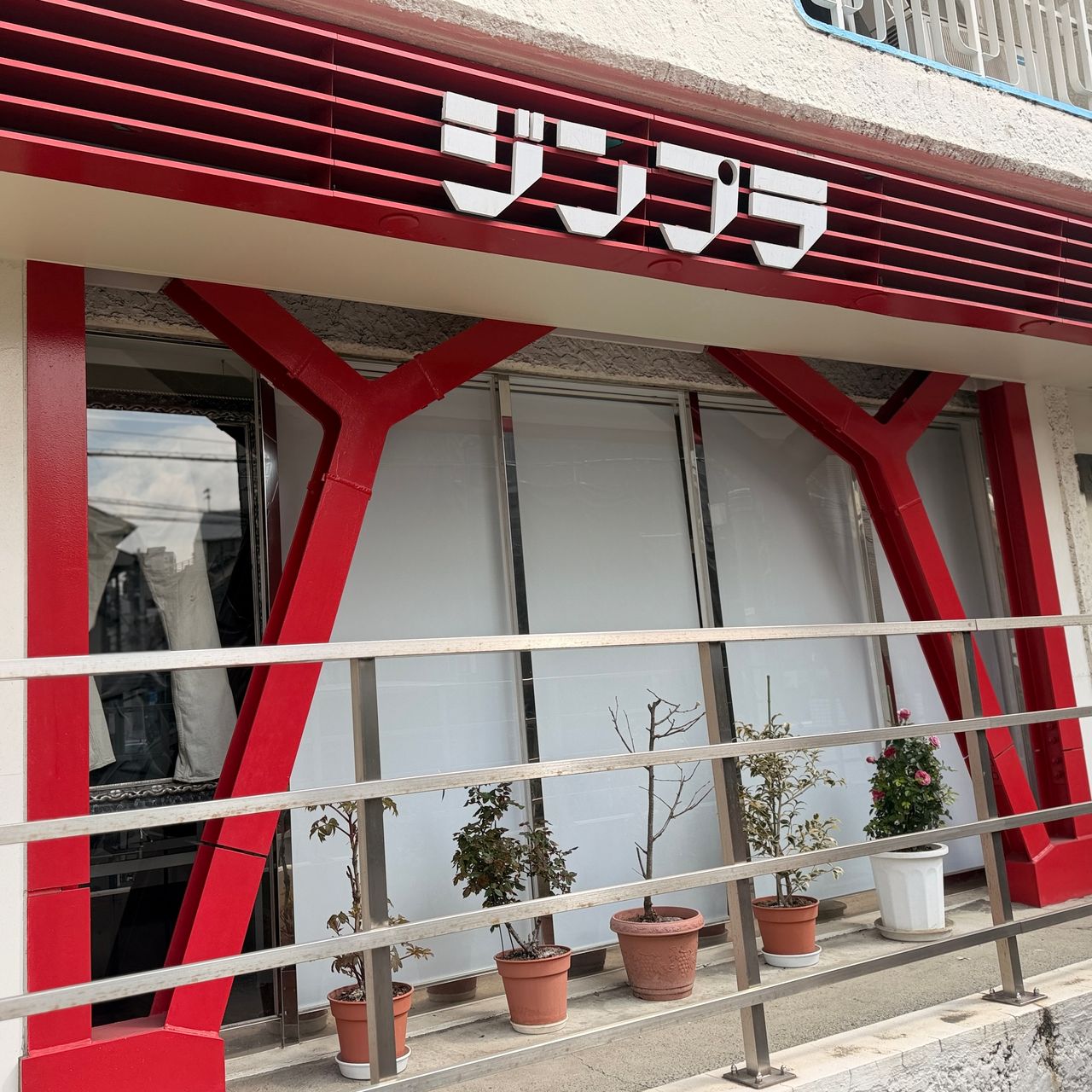
Jinpra: A Specialist in Custom Framing from Ebisu, Tokyo
Jinpra Co., Ltd. is a specialist in custom framing, with over 50 years of history in Ebisu, Tokyo. The company carefully selects and imports design-focused frames primarily from Europe, and processes, assembles, and frames each piece in its own workshop by skilled artisans. From delicate artworks to unique objects, Jinpra offers tailored framing solutions that enhance and maximize the appeal of each piece. The company also supports retail and interior spaces with distinctive design elements that create a strong visual impact.
For more information, please visit their official website.
Address: 2-11-11 Ebisu Nishi, Shibuya-ku, Tokyo 150-0021, Japan
Tel: +81-3-3461-0401
Enjoy Art Easily with Ready-Made Frames
An Option with Sekaido
In addition to custom framing, ready-made frames offer an easy and accessible way to enjoy art. With a wide range of sizes and price points, they are an attractive option that can be incorporated effortlessly. Sekaido, known as a specialty art supply store, offers a variety of frames in different sizes and designs, allowing you to choose according to your artwork and needs. It is especially recommended for those new to framing or for anyone looking to display multiple pieces with ease.
For more details, please visit Sekaido’s official website and online store:
Official website
Online store
Related Art
Recommended for Your First Piece

Previous Article
Next Article

Next Preview – Scheduled for May
How Art Transforms the Atmosphere of a Home
A preparatory guide for welcoming your first artwork in life. matsuyaginza.com will introduce the basics of display at home.
How does life change when you bring art into your home? Discover how art transforms the atmosphere of your living space.


