
2026.06.10
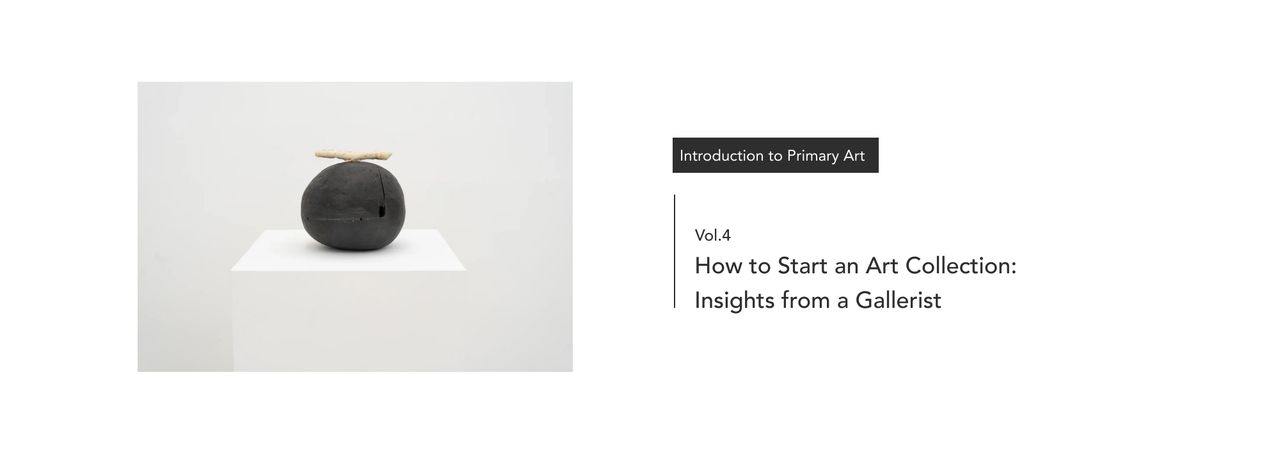
Introduction to Primary Art
Vol.4 How to Start an Art Collection — Insights from a Gallerist
Interview with Tomio Koyama (Part 1): “The First Step Begins with What You Love”
Starting with this issue, we will finally dive deeper into the practical question of how to acquire your very first artwork. To help ease the concerns of beginners who may feel that contemporary art is intimidating or wonder where to buy it, we spoke with Tomio Koyama, one of Japan’s leading gallerists.
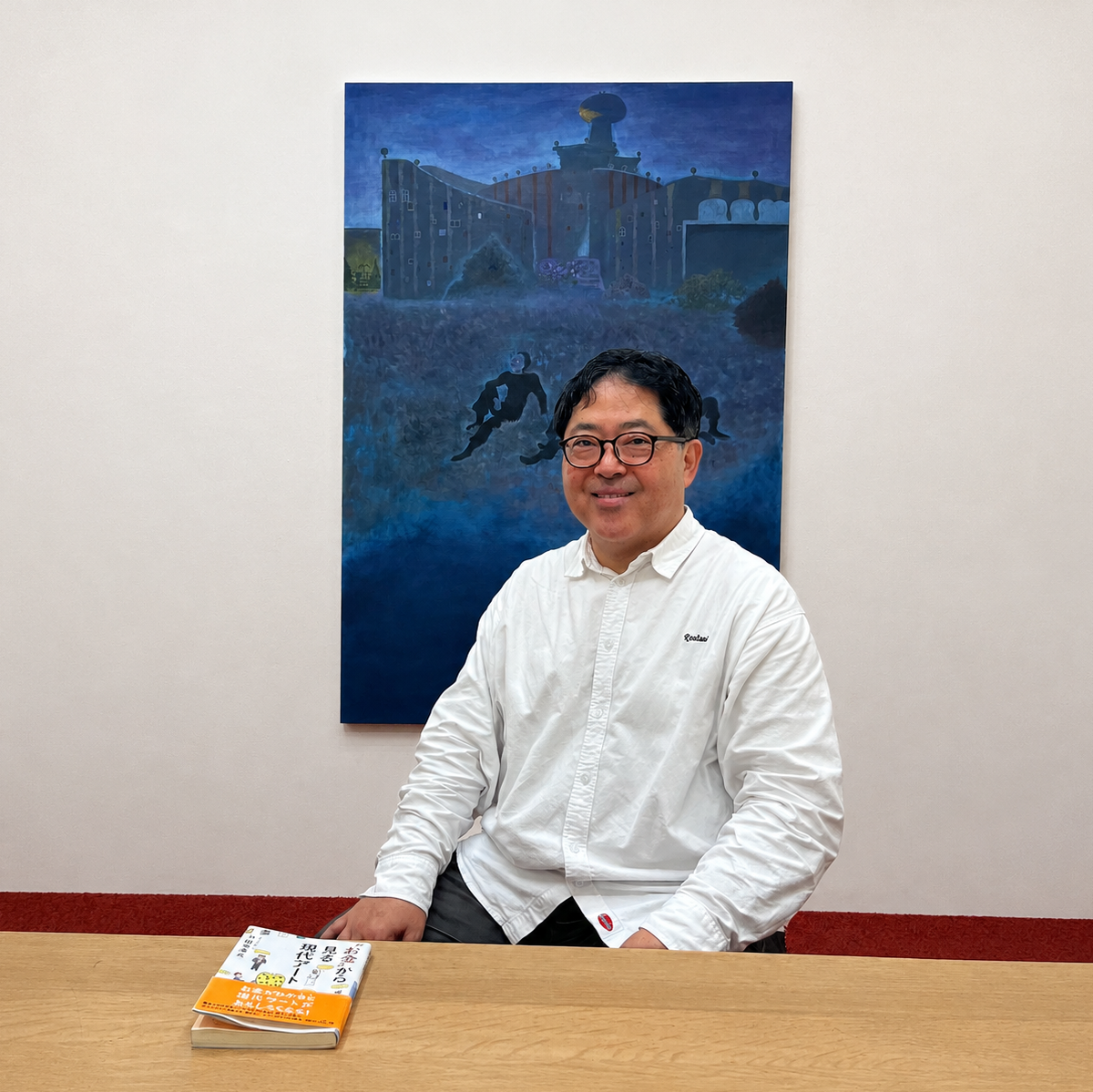
Mr. Tomio Koyama
Born in 1963. Graduated from the Department of Art Studies at Tokyo University of the Arts. After working at Nishimura Gallery and Shiraishi Contemporary Art, he founded Tomio Koyama Gallery in 1996. He has represented and promoted the works of artists including Yoshitomo Nara and Takashi Murakami. Koyama is regarded as one of the leading gallerists driving Japan’s contemporary art scene.
His major publications include Contemporary Art Through the Lens of Money (O-kane de Miru Gendai Art), The Contemporary Art Business, and How Much Is That Painting? (Sono E, Ikura?).
He is the President and CEO of Tomio Koyama Gallery Co., Ltd. The gallery currently operates spaces in Roppongi, Kyobashi, and Tennozu in Tokyo.
1. Places for Encountering - Art Are Closer Than You Think
“First, go and see art. That’s where everything begins.”
— When people hear about art collecting, it often feels like specialized knowledge is required. Where should beginners start?
Not at all — simply going to see art is enough. It could be a major exhibition like the Forest Festival of the Arts in Okayama, or a triennale held somewhere in Japan. The moment you unexpectedly come across a work and think, “I really like this artist,” that feeling becomes the starting point for everything.
Museums and art festivals may seem like places only for a select few, but when you actually visit and find yourself thinking, “I’d love to own this painting,” you may discover that it’s actually possible to buy it.
— What usually motivates first-time buyers to take that first step?
Visiting a gallery directly can feel intimidating, but museum exhibitions are often much more approachable. People discover an artist there, fall in love with their work, and want to take that feeling home with them. They then come to a gallery looking for a piece by that artist. That is probably the most natural path.
Today, there are many museums and art festivals, so opportunities to encounter contemporary art are woven into everyday life. Don’t think of galleries as intimidating places—just step inside and have a look. You do not need to arrive determined to buy a major masterpiece. Many young people start by thinking, “Maybe I can afford a print with my own savings,” and begin from there.
— Could you tell us about your own “first piece”?
My first purchase was a print by Lee Ufan. That was about forty years ago, and it cost around 50,000 yen at the time. I was young and didn’t have much money, but a print was within reach.
Later, while working at a gallery, there was a solo exhibition by Katsura Funakoshi. There was a work I absolutely wanted to own, but once again I didn’t have enough money. So I spoke with the gallery owner and arranged to trade in my Lee Ufan print. I used the value of that print toward the purchase of the Funakoshi piece.
Building a collection by gradually upgrading and exchanging works is one of the great pleasures of owning art.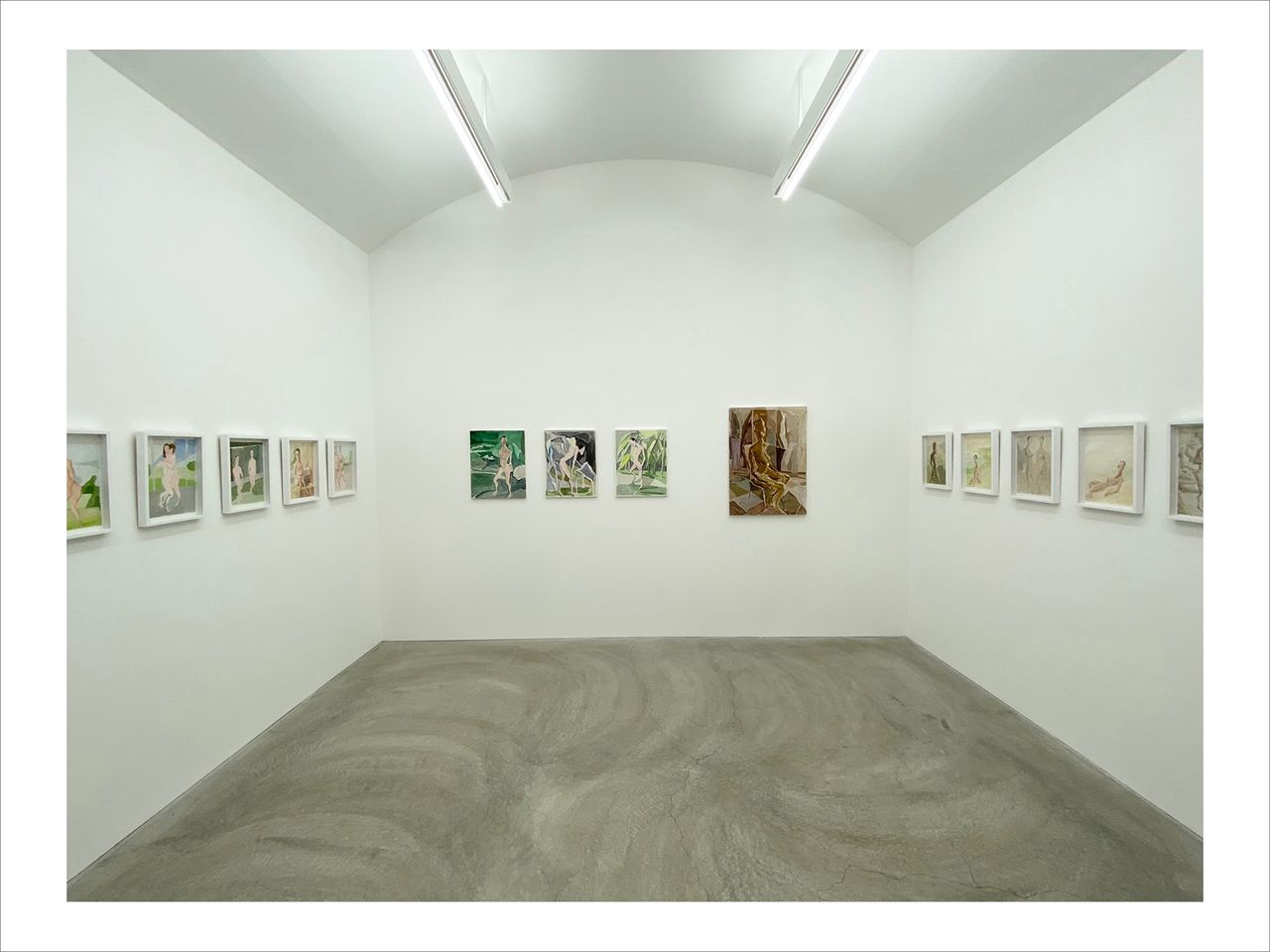
2. Using Galleries as “Consultation Spaces”
“By combining what you hear with what you see, you can deepen your own sense of what you love.”
— When people actually consider purchasing art, many probably feel unsure about how to behave in a gallery.
Galleries are actually very open places, and you can ask absolutely anything. I always encourage people to bring photos of their entrance hall or living room to the gallery. Recently, many visitors simply show photos of their walls on their smartphones and ask, “What kind of artwork would work here?”
Our staff sometimes create simulations by compositing artworks into those room photos. That way, you can immediately understand the scale of the piece and how it matches the atmosphere of the space.
— Do you have any practical advice for beginners struggling with budget or space?
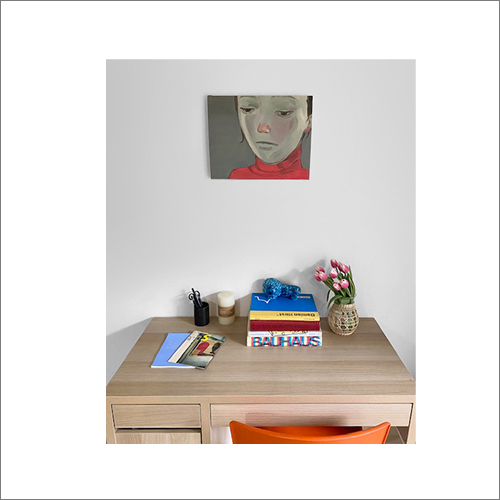
I think starting with a poster by a well-known artist can be a wonderful option. For example, a David Hockney poster often has a strong design quality, and simply placing it in a well-made frame can instantly bring a sense of refinement and character to a room.
The important thing is to begin by experiencing something authentic within a budget that feels comfortable to you—perhaps 20,000 or 30,000 yen. From there, you might move on to prints, and someday perhaps acquire a unique drawing. Gradually progressing in this way is one of the great pleasures of living with art.
— Are there any rules when displaying art?
There are absolutely no rules.
No one is there to judge whether your choices are “right” or “wrong.” You can buy whatever you like and combine works however you wish. Art is, by its very nature, an expression of ultimate freedom. Trust your instincts and enjoy the process of choosing.
If you are unsure, it can be helpful to ask gallery staff about the artist’s background. Information you hear—such as which museums have collected the artist’s work—can complement what you see with your own eyes. By combining these two perspectives, you can deepen your understanding of what truly appeals to you.
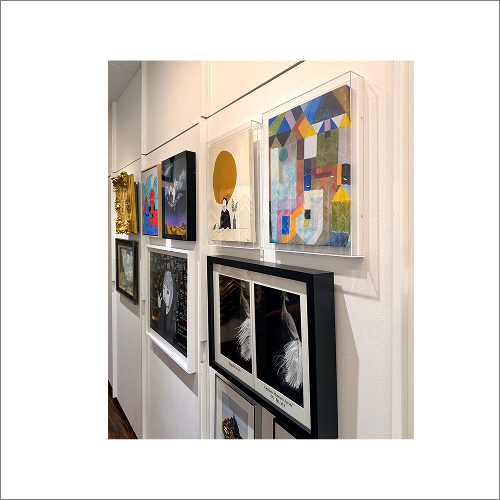
Some people even lean artworks against the wall on the floor and create stylish displays that way. There is no single correct approach.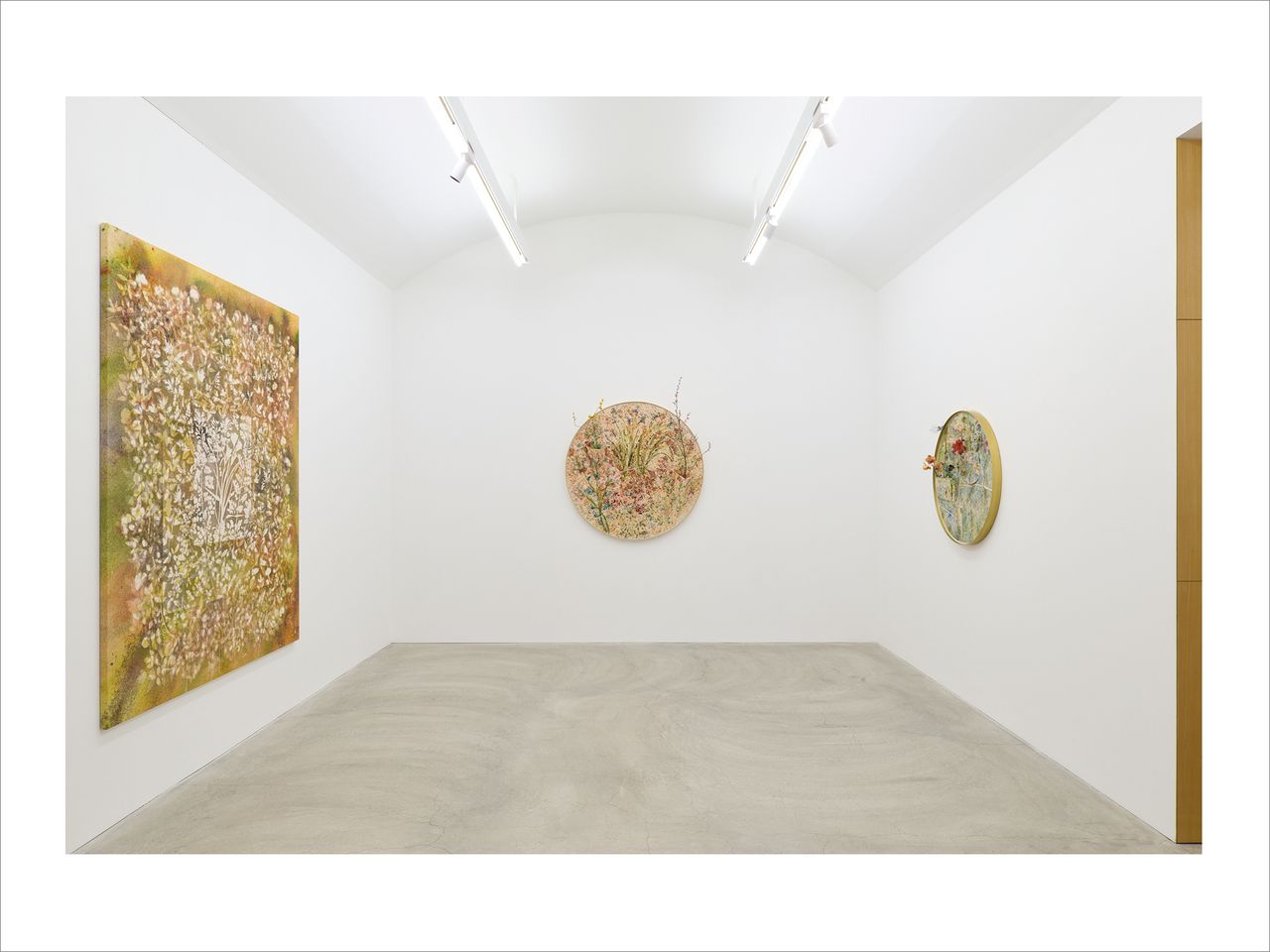
3. The Expanding Art Market and the Joy of Buying “Now”
“If a work becomes internationally recognized a few years later, that’s simply lucky — and genuinely exciting.”
— Are there any artists currently attracting attention, or works you would recommend to beginners?
Among the artists gaining attention right now are Rika Minamitani, Satoru Kurata, and Daisuke Fukunaga — artists who are steadily establishing recognition both in Japan and internationally.
One of the most exciting aspects of buying works in the primary market is being able to share in the process of an artist’s growth and the expansion of their market.
Take Minamitani, for example: her audience first grew in Japan, then expanded to the United States, Europe, and China. As her market spread globally, her reputation naturally grew with it. Once an artist is picked up by a major international gallery, their value can become firmly established on a global scale almost overnight.
— Once the value rises, the works may become out of reach. Is that why buying “now” matters?
Exactly. Once the global market starts paying attention, prices can soar, and works may only become available through auctions.
Some people later think, “I should have bought it back then,” from an investment perspective, but that’s not really the greatest joy of collecting.
You buy something because you genuinely find it interesting, without knowing whether it will gain value or not. And if that work later becomes internationally recognized, that’s simply lucky — and honestly very exciting.
Investment may be one aspect of art collecting, but above all, the real pleasure lies in buying works you truly love. The joy of discovering artists in the primary market exists precisely there.
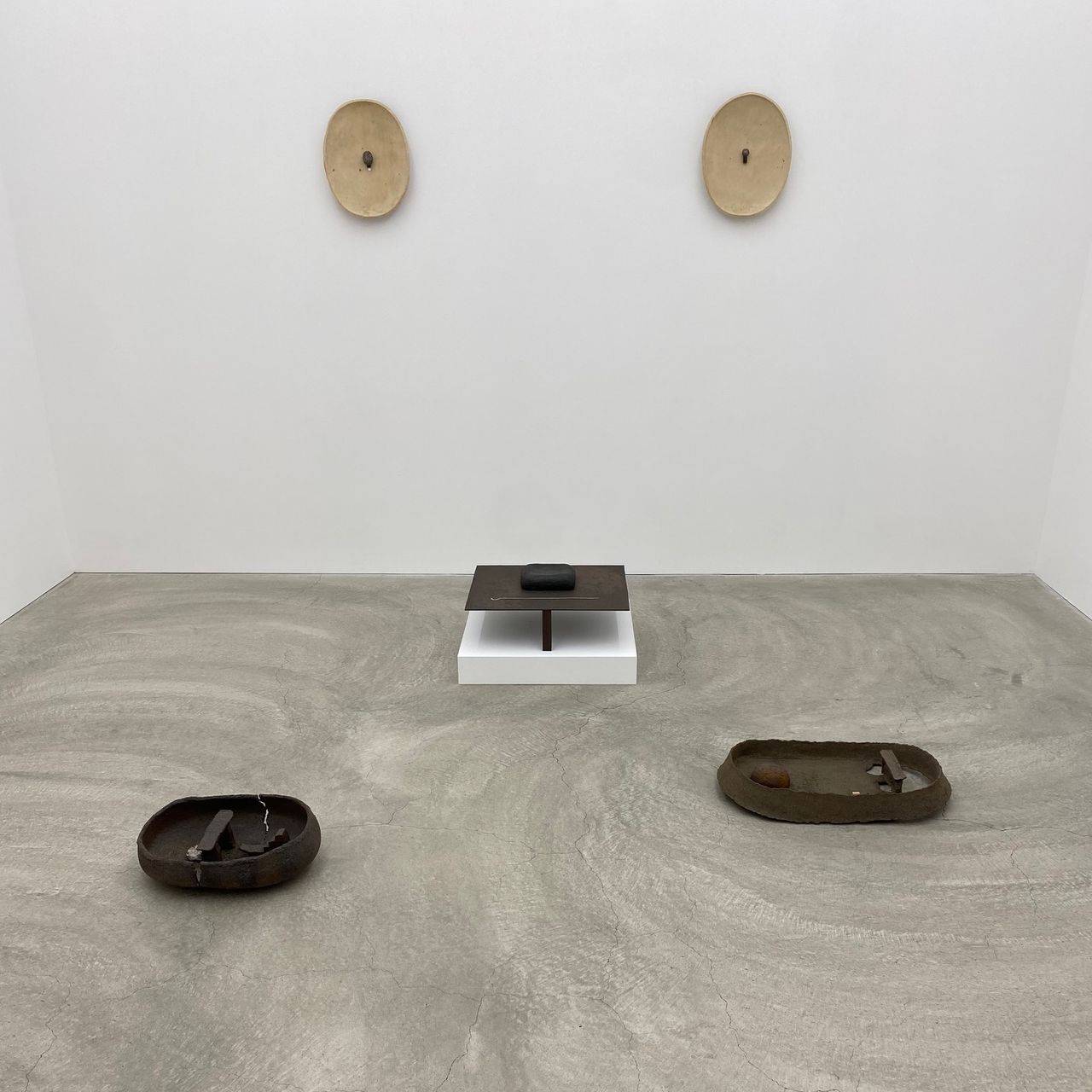
Tomio Koyama Gallery
(Roppongi / Tennozu / Kyobashi)
Since its founding, the gallery has actively participated in international art fairs, introducing Japanese contemporary artists to audiences both in Japan and abroad. Today, the gallery continues to present a diverse range of artists, including Kishio Suga, Hiroshi Sugito, Mika Ninagawa, Richard Tuttle, as well as ceramic artists.
Unbound by borders or genres, the gallery aims to further enrich and expand the contemporary art market through its unique perspective.
Visit the gallery website >
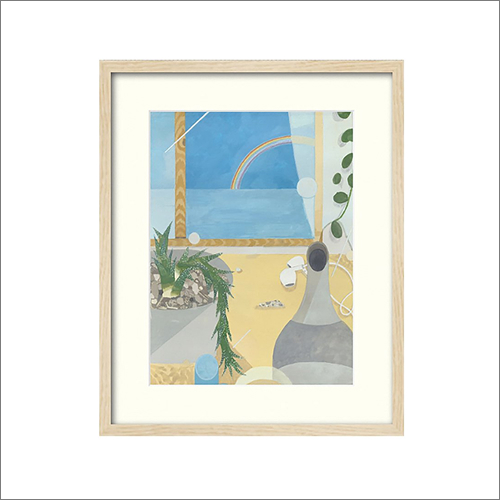
Courtesy of Tomio Koyama Gallery / Works by Keiji Ito
Related Art
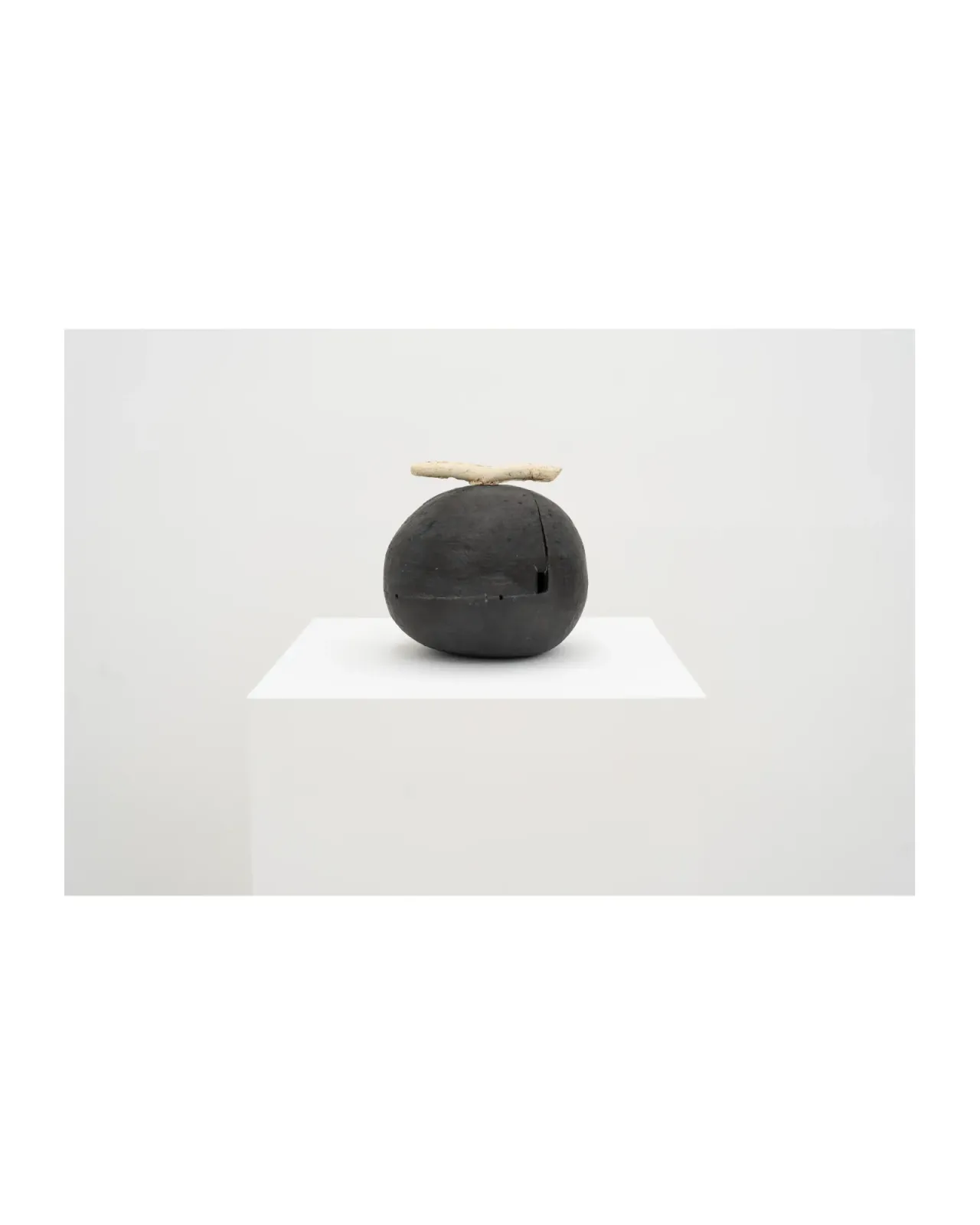
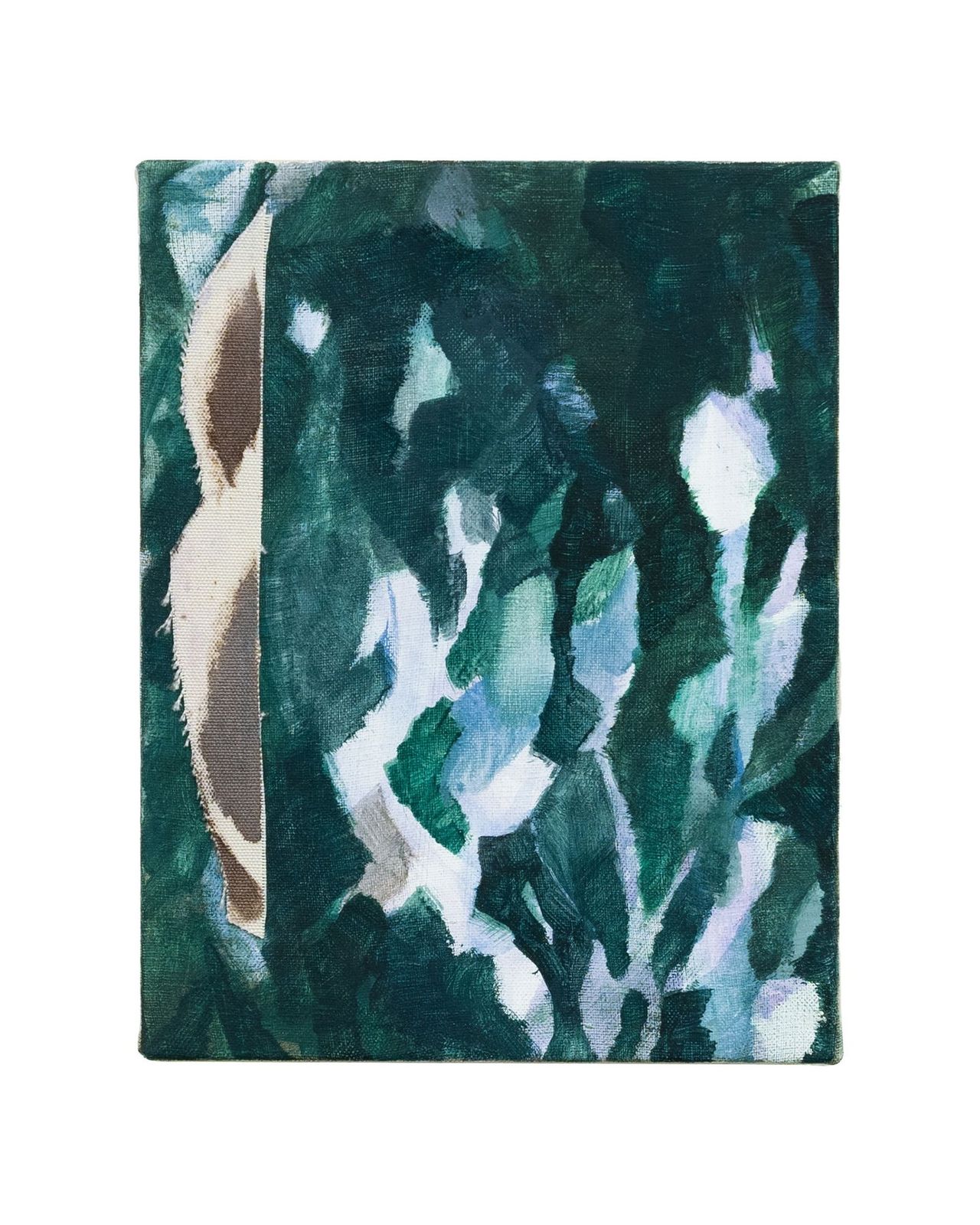
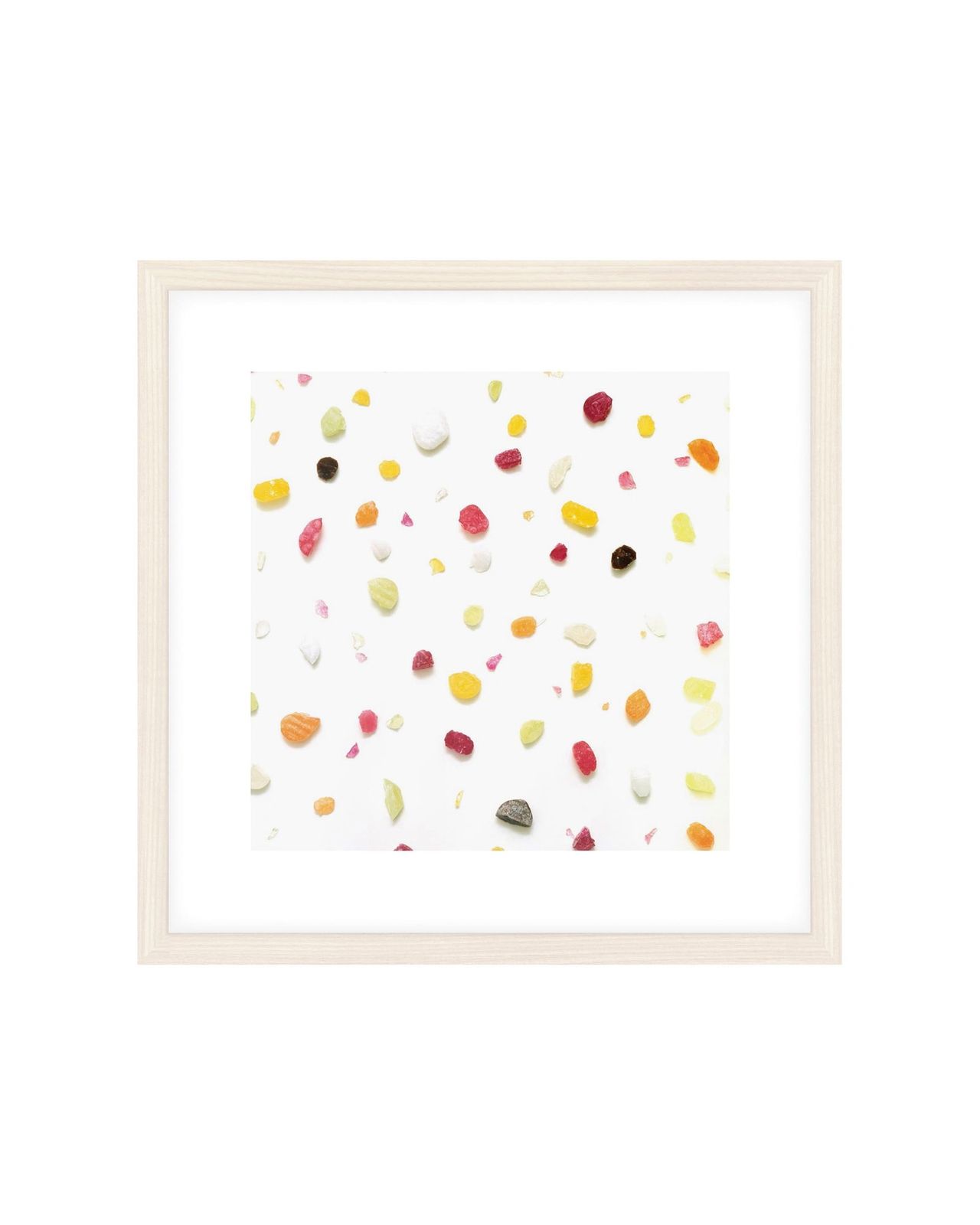
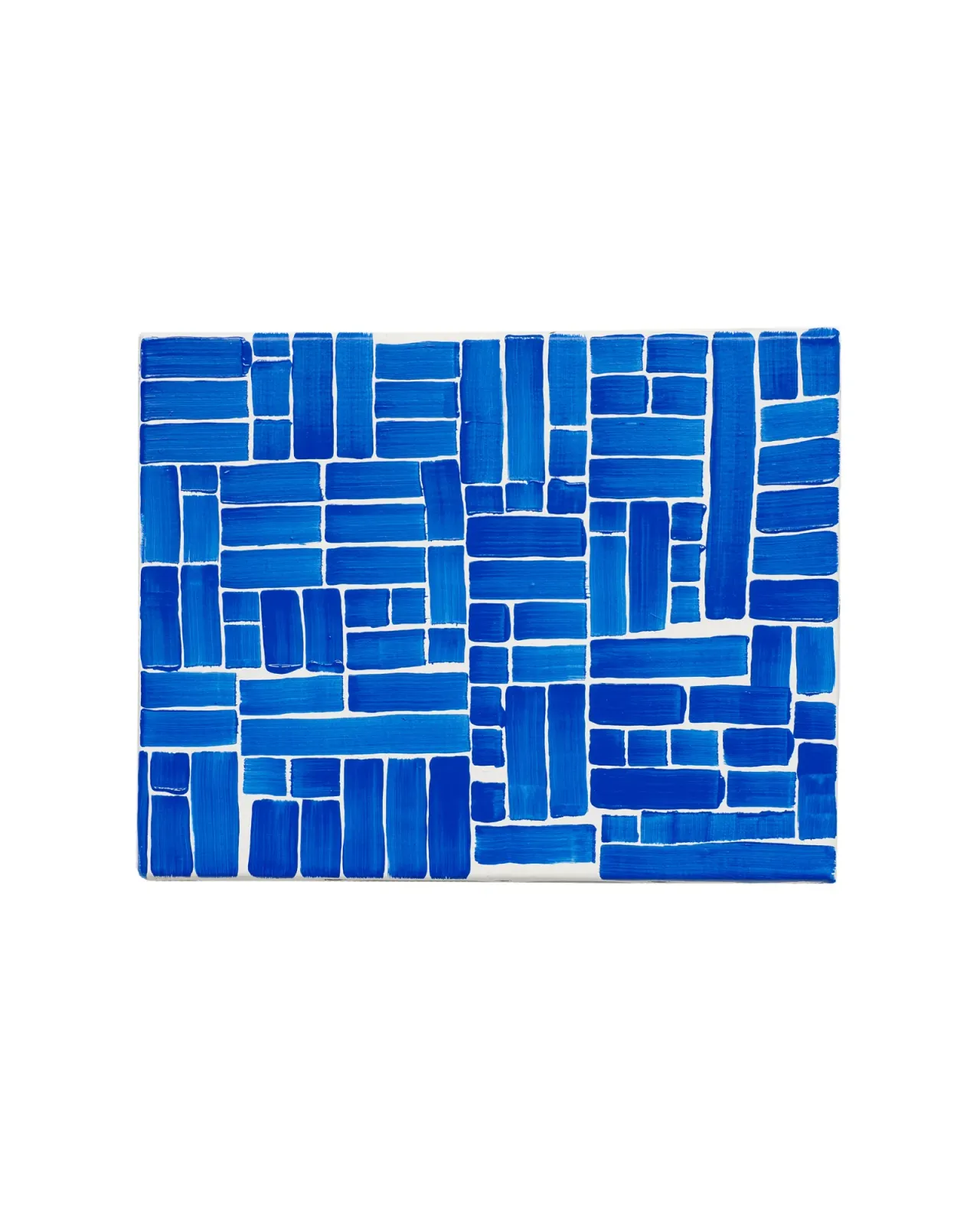
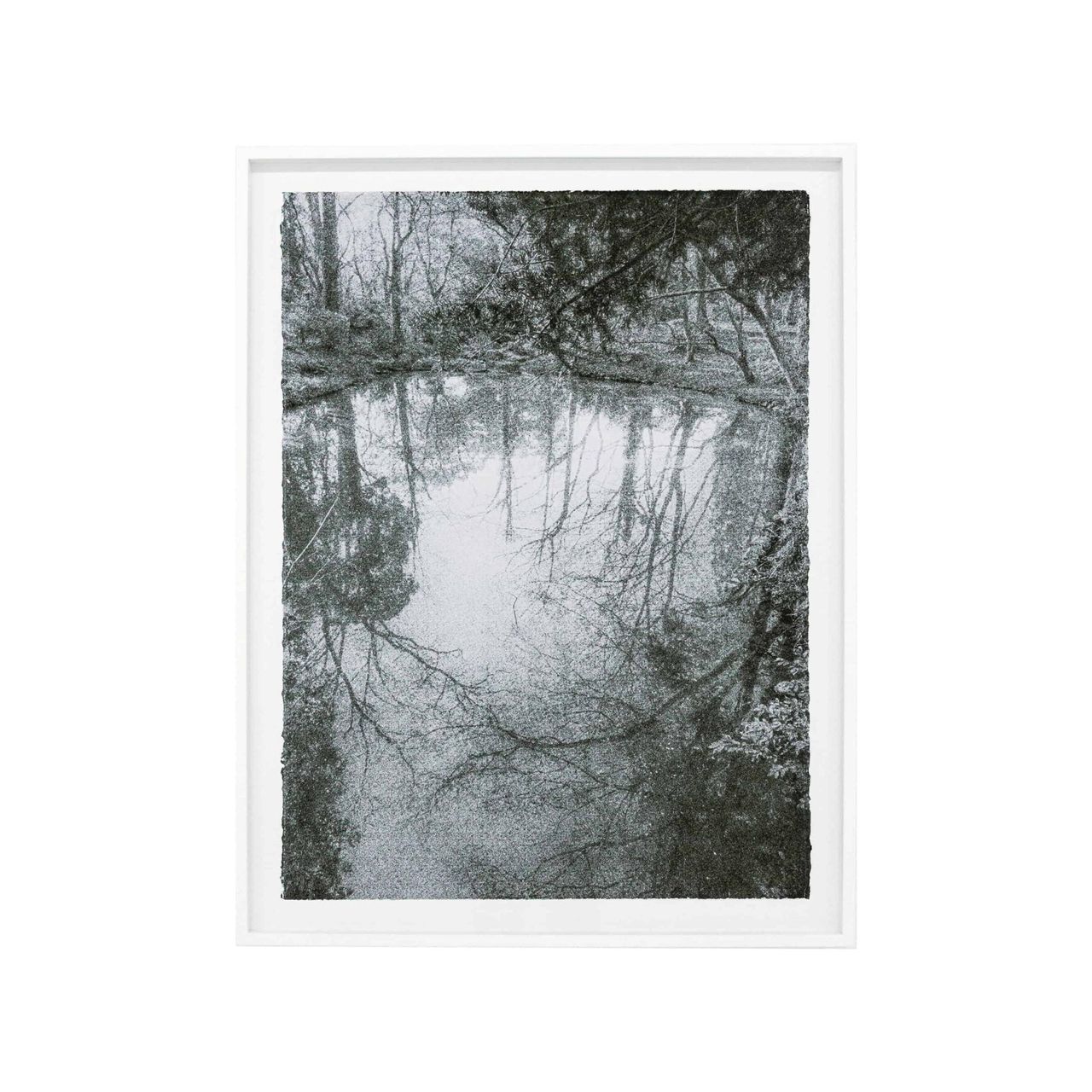
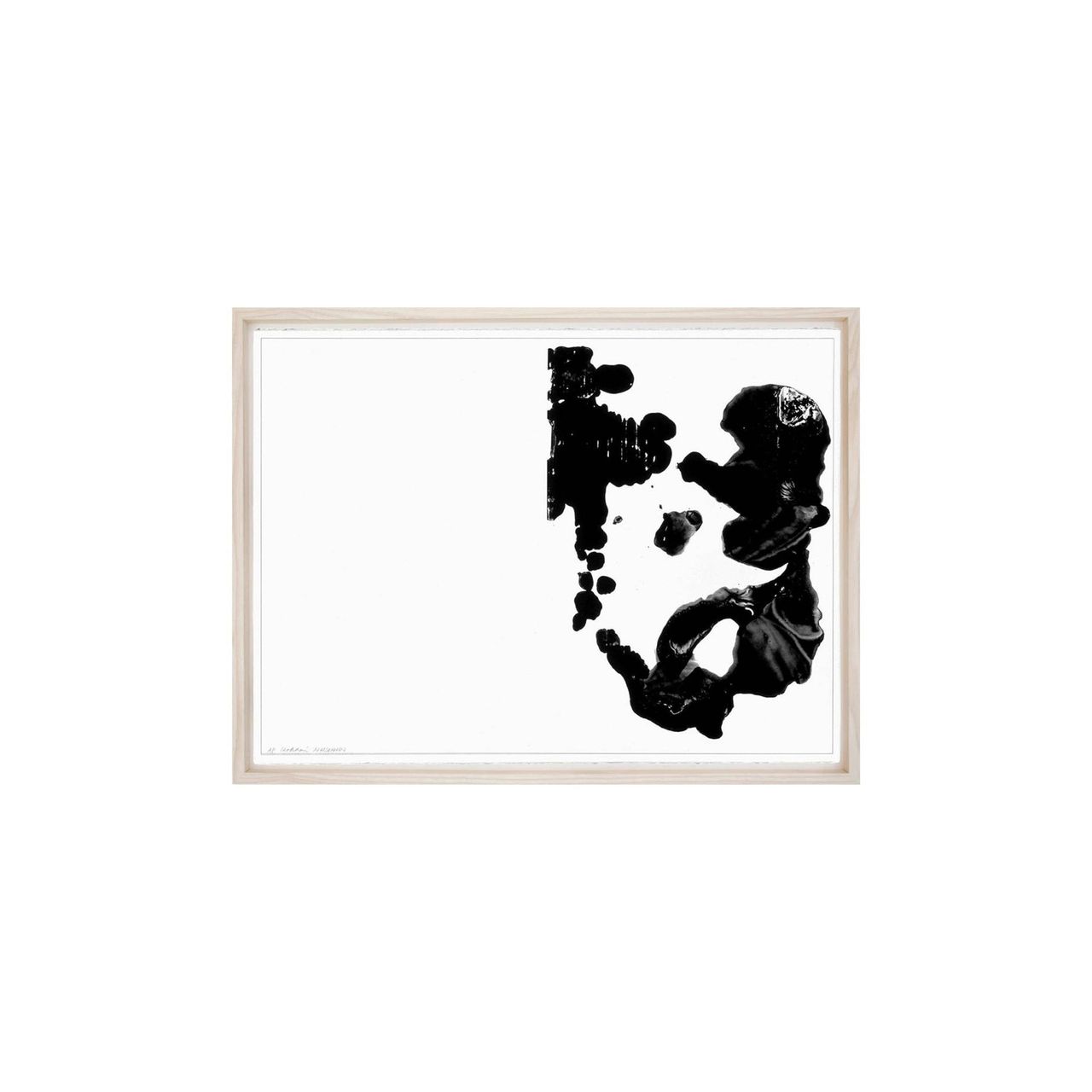
Recommended for Your First Piece
Previous Articles

Next Preview – Scheduled for June
How to Start an Art Collection — Insights from a Gallerist
For those who are interested in contemporary art but feel that purchasing it is a high hurdle,
we speak with one of Japan’s leading gallerists, Tomio Koyama, to share tips on taking that first step.


