

2026.07.15
Introduction to Primary Art
Vol.4-2 How to Start an Art Collection — Insights from a Gallerist
Interview with Tomio Koyama (Part 2): “A Perspective for Deepening Your Art Collection”
In Part 1, we explored the first steps to buying art. In Part 2, Tomio Koyama shares deeper insights into how to assess the value of art and the many ways to enjoy collecting as an art collector.
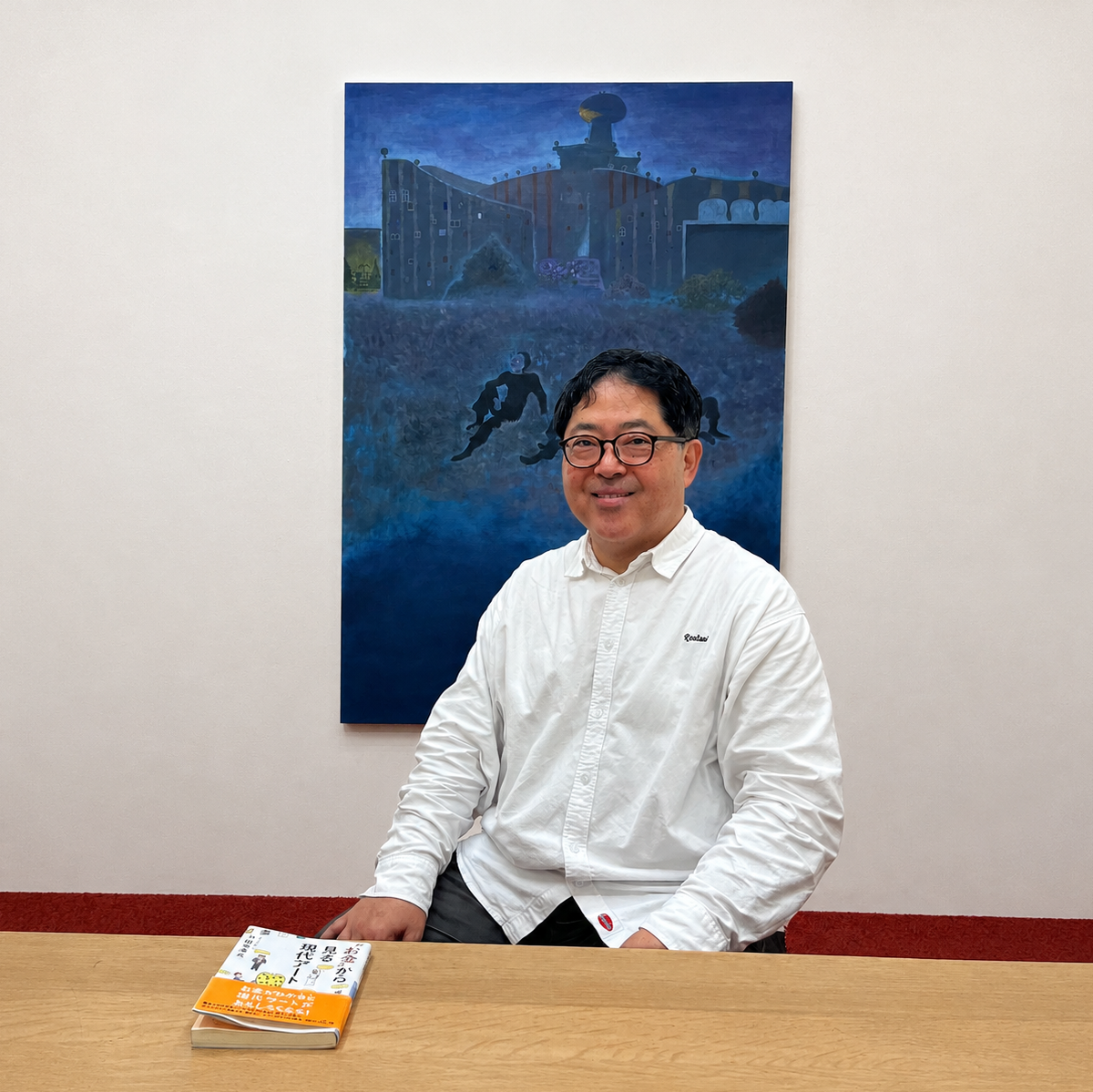
Mr. Tomio Koyama
Born in 1963. Graduated from the Department of Art Studies at Tokyo University of the Arts. After working at Nishimura Gallery and Shiraishi Contemporary Art, he founded Tomio Koyama Gallery in 1996. He has represented and promoted the works of artists including Yoshitomo Nara and Takashi Murakami. Koyama is regarded as one of the leading gallerists driving Japan’s contemporary art scene.
His major publications include Contemporary Art Through the Lens of Money (O-kane de Miru Gendai Art), The Contemporary Art Business, and How Much Is That Painting? (Sono E, Ikura?).
He is the President and CEO of Tomio Koyama Gallery Co., Ltd. The gallery currently operates spaces in Roppongi, Kyobashi, and Tennozu in Tokyo.
1. The True Relationship Between Art and Money
“Works of art endure. That’s what makes them so fascinating.”
— In your book Contemporary Art Through the Lens of Money, you discuss what lies behind the prices of artworks. How should we think about art as an investment?
Art can certainly be viewed as an asset, but its true essence lies in the fact that it endures. Once a work of art is created and acquired by someone, it is rarely discarded. Whether it is resold or donated, it continues to exist in the world.
Sometimes, an artist who has long been forgotten is suddenly rediscovered decades later, and their work becomes a treasured masterpiece. This sense of unpredictability—the possibility that anything can happen—is what makes art so captivating.
— You recognized artists such as Takashi Murakami and Yoshitomo Nara long before they became internationally renowned. Is there anything you consciously look for when identifying promising artists?
It’s not about logic or intelligence. What matters is whether someone is, in a sense, an unusual or genuinely interesting person. I believe artists need to be a little unconventional—that’s what makes them compelling.
Those who clearly understand their own place in society and what they want to express are far more likely to create powerful work.
Take Rika Minamitani, for example. When she first exhibited at my gallery, her works sold for around ¥40,000. Today, she has collectors across the United States, Europe, and China. As her market expanded globally, the value of her work rose significantly as well.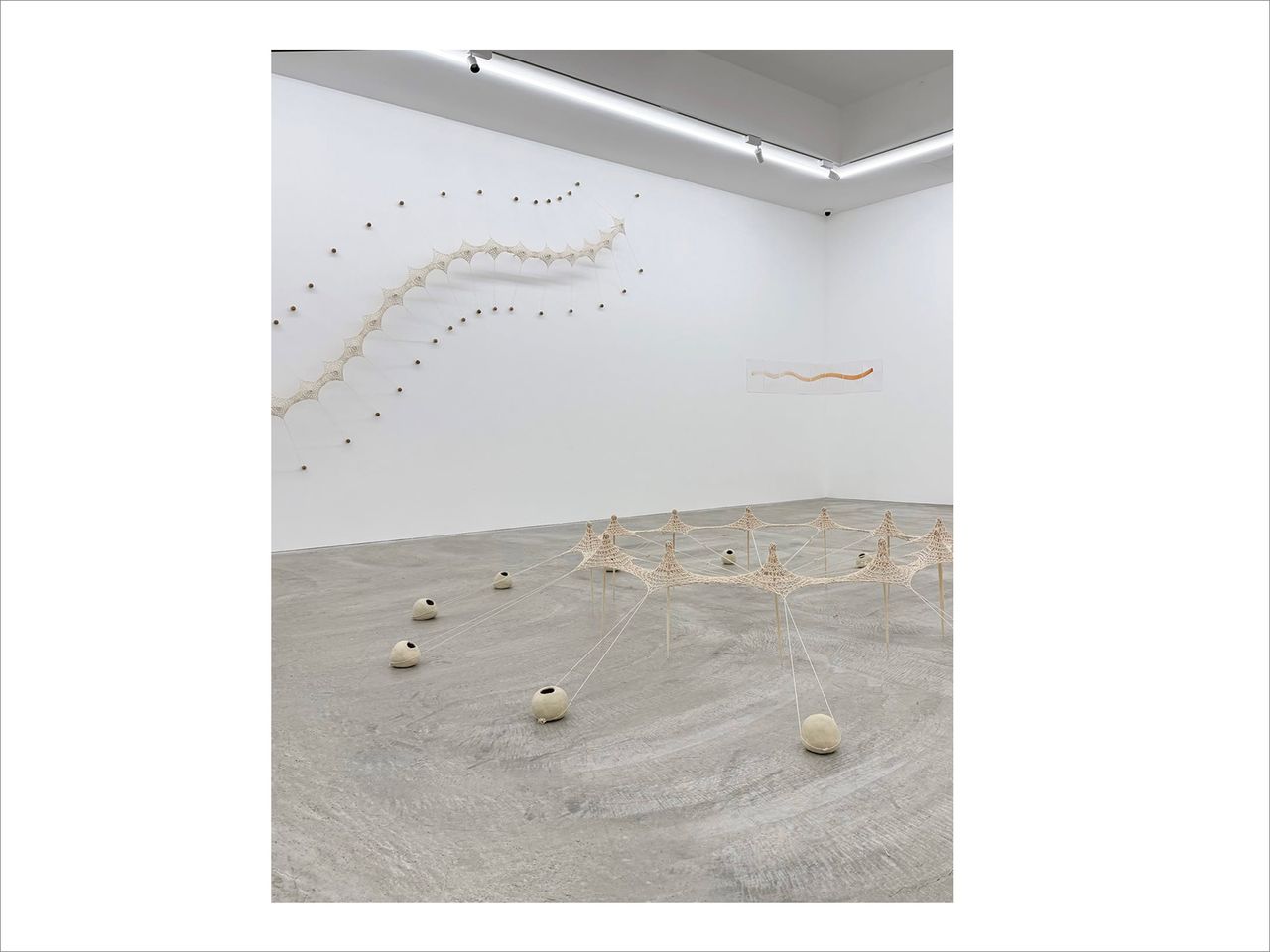
2. The Joy of Waiting: Building Trust Through Relationships
“When you approach an artist with genuine respect, your relationship with their work becomes much deeper.”
— We often hear that once an artist becomes popular, having the money isn't enough to buy their work.
That's true. Works by sought-after artists are sometimes sold out even before an exhibition opens. This isn't because galleries are trying to exclude people, but because they prioritize collectors who will truly cherish the works over the long term.
As galleries, we want the artwork to go to someone who loves the artist, rather than someone who intends to resell it immediately.
Part of our role is to make those connections. Experienced collectors build trusting relationships with galleries and enjoy the process of joining a waiting list to acquire a work. In a way, it's similar to eagerly anticipating the next collection from your favorite fashion brand.
— Do you have any advice for people who want to enjoy collecting art on a deeper level?
I highly recommend attending opening receptions and meeting the artists in person. Unlike music or theater, the art world offers many opportunities to speak directly with the artists themselves.
Even Damien Hirst, for example, attends exhibition openings when he visits Japan. You can ask him something as simple as, "Which piece is your favorite?" Hearing the stories behind the work completely changes the way you experience it.
Many experienced collectors also develop a clear focus for their collections. Some continue collecting works by a single artist, while others concentrate on a particular genre or theme. Once you discover your own perspective, collecting becomes even more rewarding.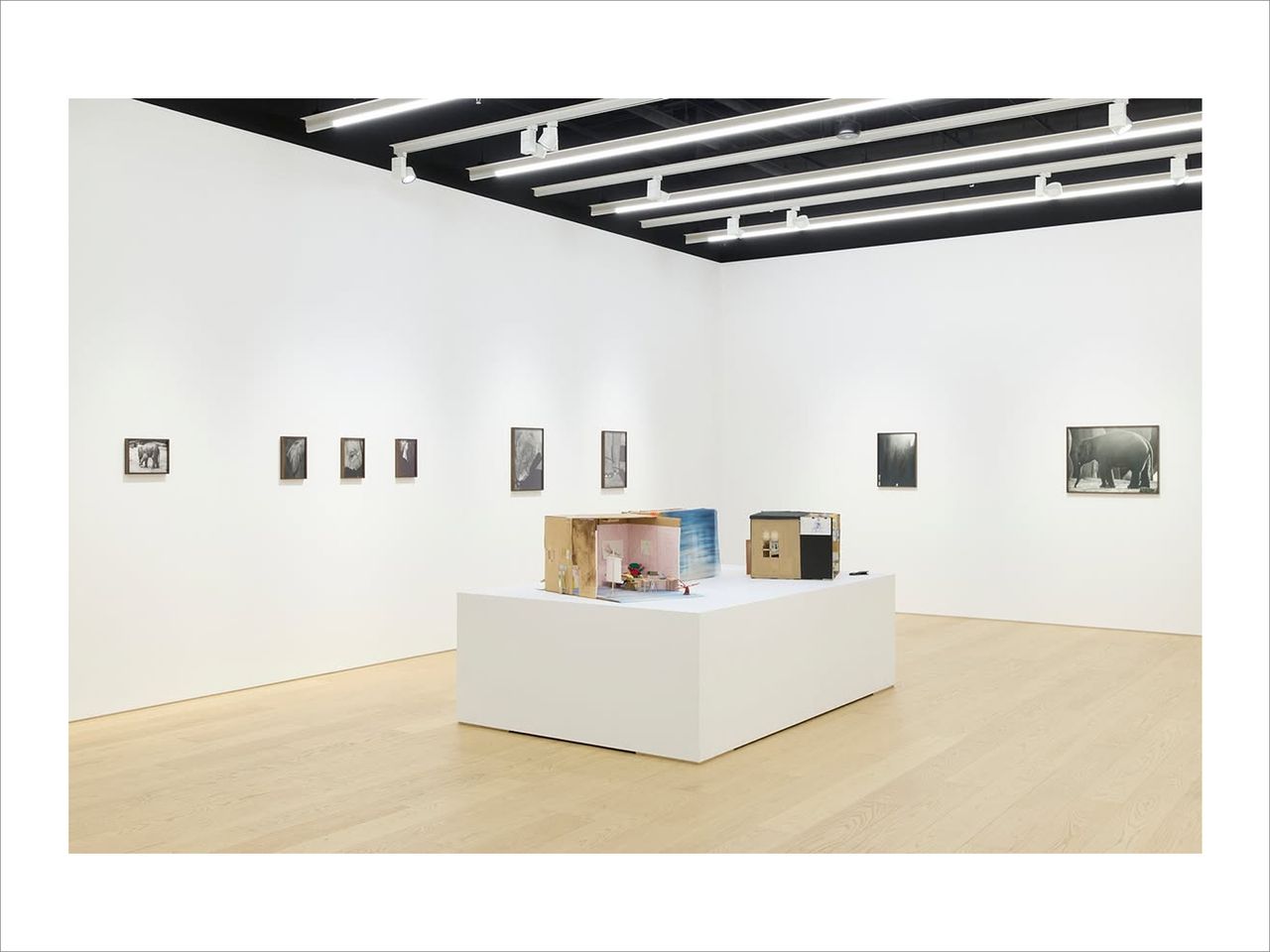
3. Walking Through Gallery Districts to Sharpen Your Eye
“Being able to see many galleries in one place is a huge advantage. You begin to recognize the unique character of each gallery.”
— Are there any places you would recommend for beginners to visit first?
I especially recommend the Roppongi area. It's home to an impressive concentration of leading contemporary art galleries.
For example, Complex665 houses galleries such as ShugoArts and Taka Ishii Gallery, while the neighboring Piramide Building is home to internationally respected galleries including Perrotin, Ota Fine Arts, Scai The Bathhouse, and TARO NASU.
Few places in the world offer such a remarkable concentration of high-quality galleries. It's an ideal environment to efficiently and confidently experience the forefront of contemporary art.
— So visiting an area where galleries are concentrated is the best way to start?
Absolutely. The greatest advantage is being able to explore multiple galleries in one trip. As you visit them one by one, you'll naturally begin to notice each gallery's unique focus—for example, one may champion emerging Japanese artists, while another specializes in international artists.
Beyond gallery hopping, I also recommend events such as Art Fair Tokyo. The best way to develop your eye is simply to experience as many artworks as possible and gradually discover what truly resonates with you.
— Finally, what does "living with art" mean to you?
If I had to sum it up in one sentence, I would say it's living with respect for artists. People who buy clothing from their favorite brands wear it because they admire the designer's creativity and vision. Art is no different.
When you admire an artist and choose to live with a work that embodies their spirit, your home becomes a space filled with that sense of respect. I believe this enriches everyday life and gives it a deeper sense of pride and meaning.
I hope everyone who visits Matsuya Ginza will discover an artwork that truly moves them.
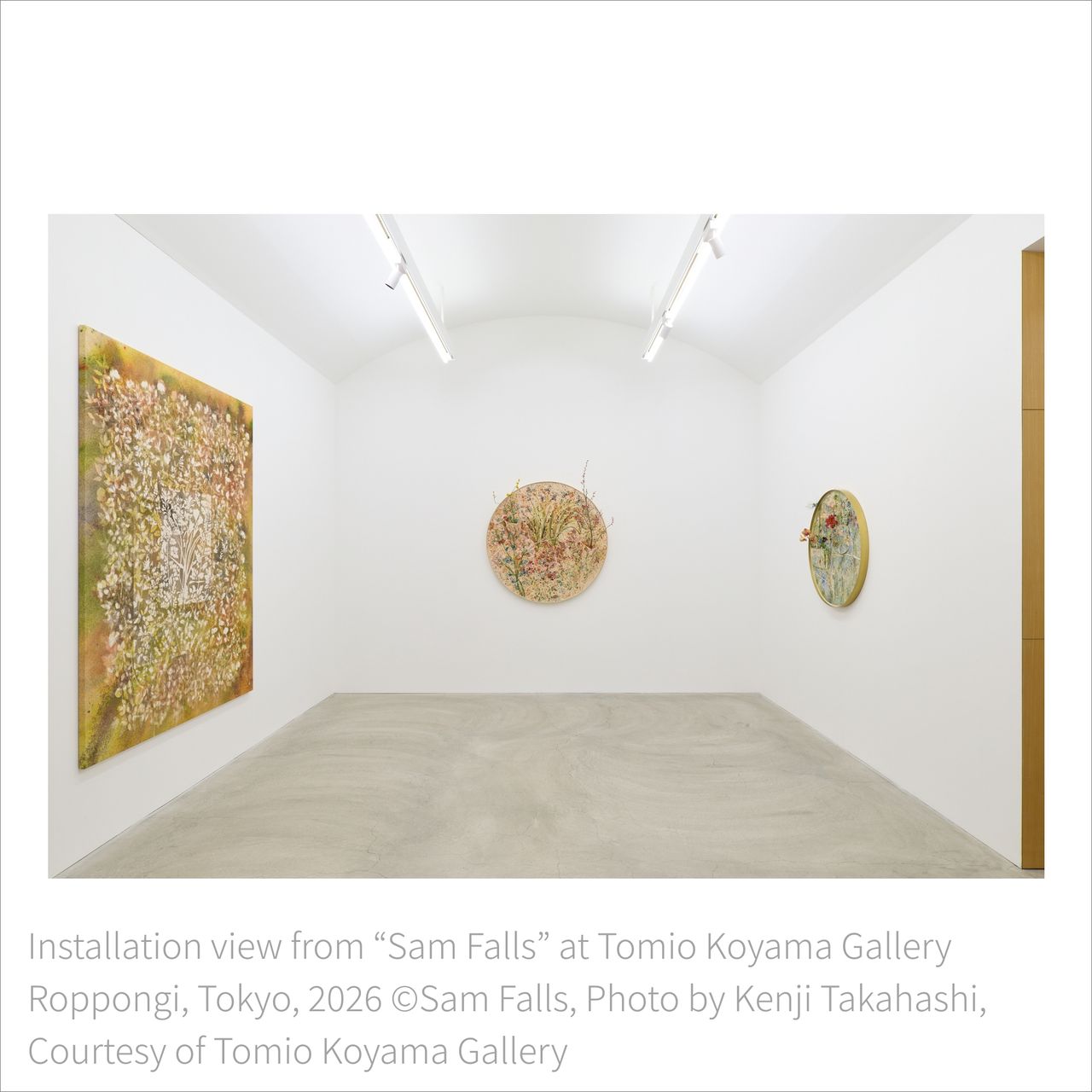
Tomio Koyama Gallery
(Roppongi / Tennozu / Kyobashi)
Since its founding, the gallery has actively participated in international art fairs, introducing Japanese contemporary artists to audiences both in Japan and abroad. Today, the gallery continues to present a diverse range of artists, including Kishio Suga, Hiroshi Sugito, Mika Ninagawa, Richard Tuttle, as well as ceramic artists.
Unbound by borders or genres, the gallery aims to further enrich and expand the contemporary art market through its unique perspective.
Visit the gallery website >
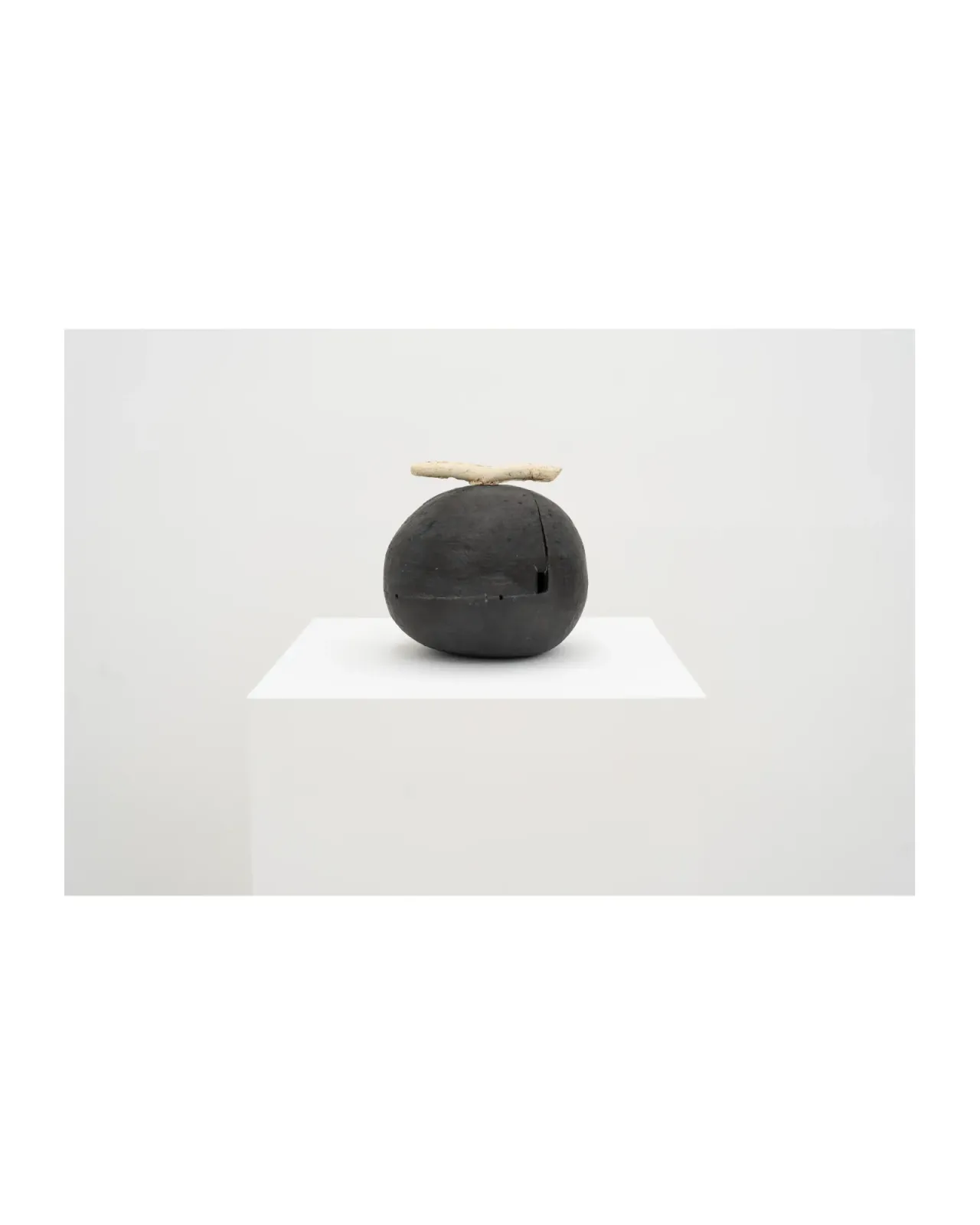
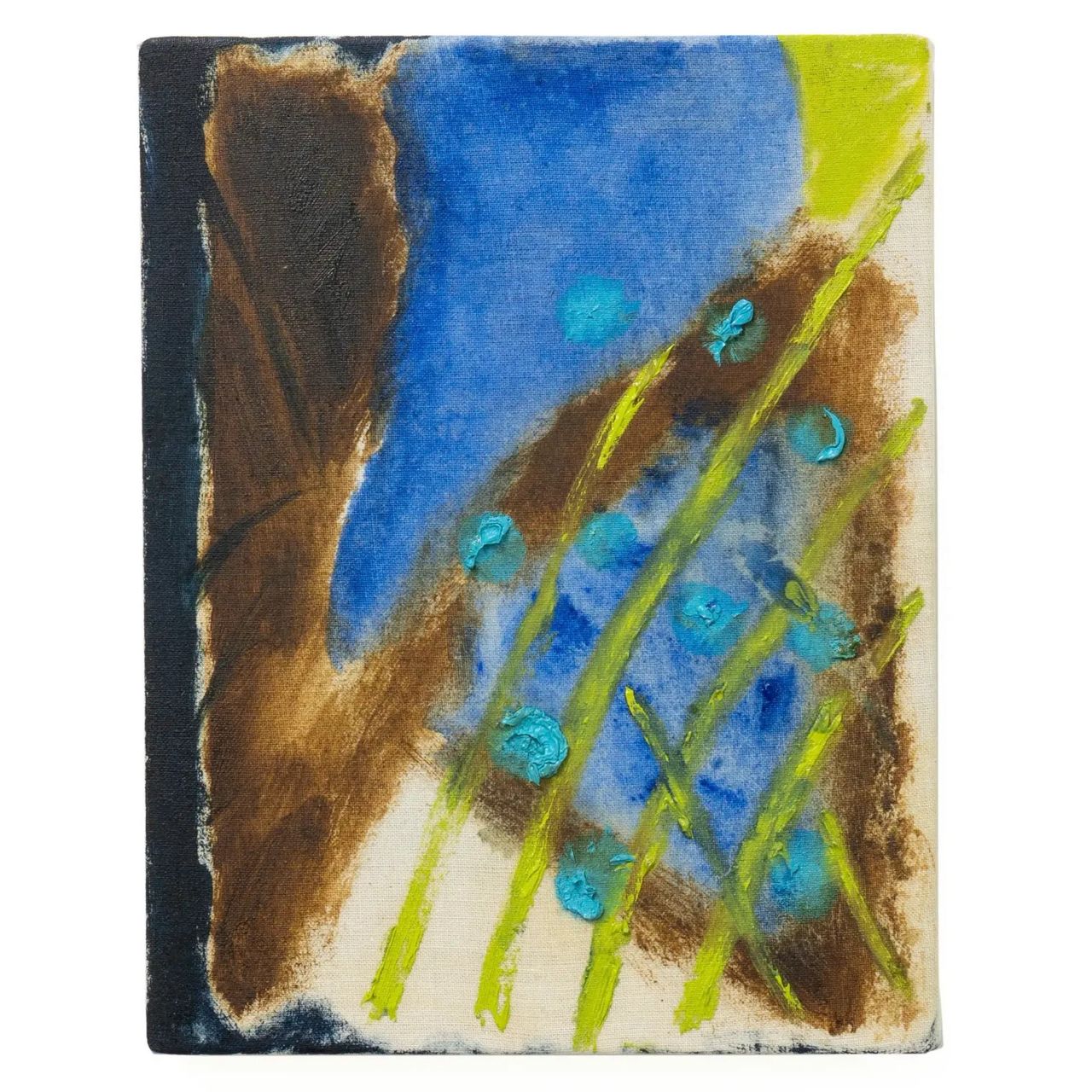
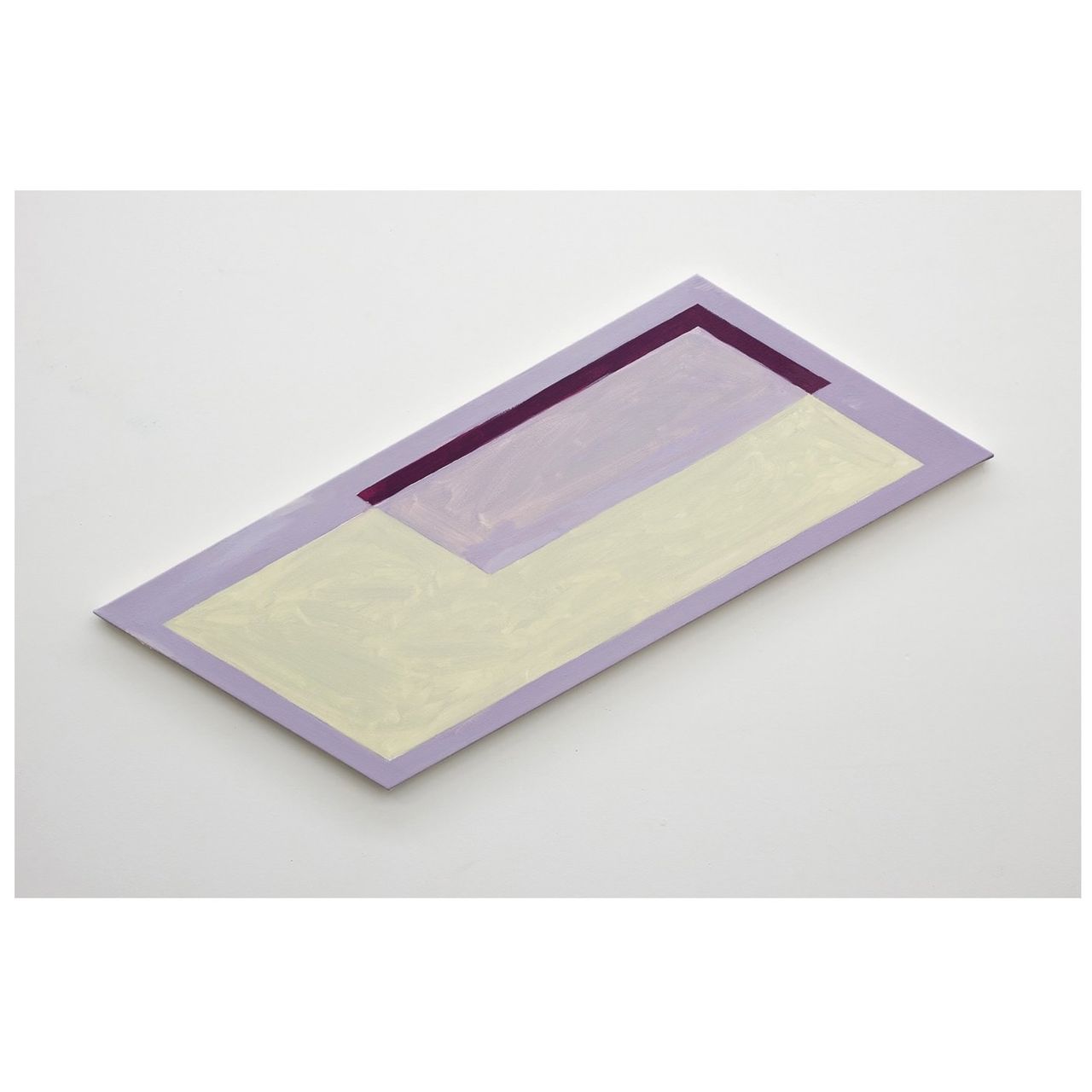
Related Art
Recommended for Your First Piece
Previous Articles

Next Preview – Scheduled for June
How to Start an Art Collection — Insights from a Gallerist
For those who are interested in contemporary art but feel that purchasing it is a high hurdle,
we speak with one of Japan’s leading gallerists, Tomio Koyama, to share tips on taking that first step.


