


/)
100 Years of Matsuya Ginza
Ginza 3-Chome Centennial Chronicle
Episode 2
Thanks to your continued support, Matsuya Ginza celebrates its 100th anniversary in 2025.
In this special series, we revisit the unique stories and moments that have unfolded in Ginza 3-Chome, as we explore the spirit and identity of Matsuya Ginza.
Sanskrit Characters on the Ceiling
Have you ever noticed the Sanskrit characters embedded in the ceiling of the first floor at Matsuya Ginza?
These characters, known in Japanese as bonji, originate from ancient Sanskrit, an old Indian language that was introduced to Japan through Buddhism during the Nara period. In Japan, they came to be regarded as sacred symbols, believed to embody the presence of deities and Buddhas themselves. Often referred to as “the most beautiful characters in the world,” they have become fashionable worldwide — appearing as tattoos or jewelry worn by musicians and athletes alike.
Back in 1929 (Showa 4), Matsuya Ginza welcomed Ryuko Fudo Myo-o, a protective deity, from Ryuko-in Temple on Mt. Koya. This guardian was enshrined on the rooftop altar to protect both Matsuya and its customers from misfortune. After enduring the hardships of World War II and the full-scale occupation of the Ginza building by the GHQ, Matsuya resumed operations in 1953 (Showa 28). Then, in 1964 (Showa 39), a major expansion transformed Matsuya into a landmark spanning an entire block of Ginza 3-Chome.
At that time, it was pointed out that unless the rooftop deity was relocated, the new entrance after expansion would fall in the unlucky direction (kimon). The recommendation: to enshrine the Four Heavenly Kings (Shitennō) at each entrance. In Buddhist cosmology, these four guardian gods protect the Buddha and his teachings from evil across the four cardinal directions — Jikokuten in the east, Komokuten in the west, Zōjōten in the south, and Tamonten in the north.
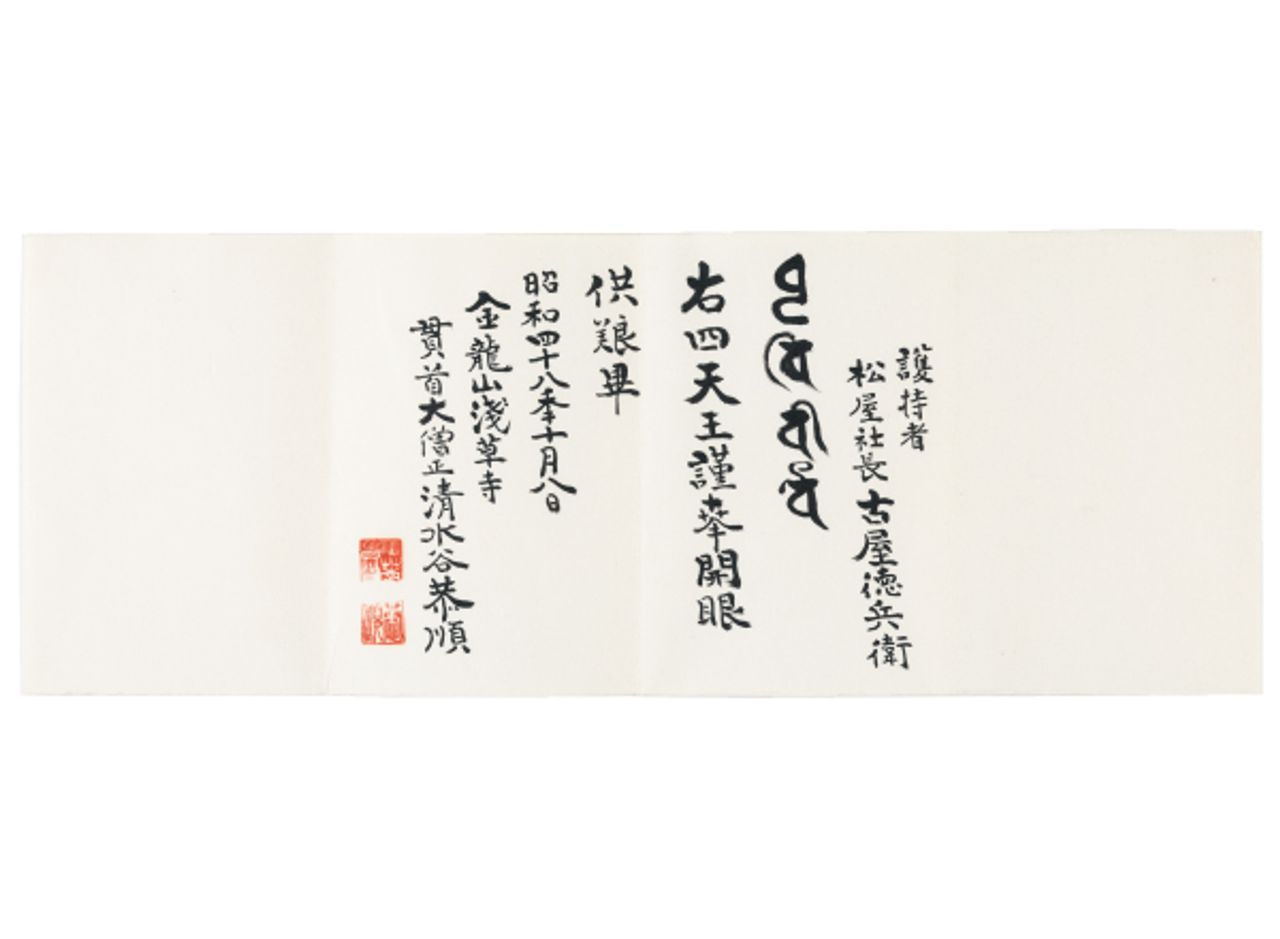
The original plan was to install statues of these deities at the entrances, but in the end, they were represented by Sanskrit plates, each bearing a symbolic character. These inscriptions were hand-brushed in 1973 (Showa 48) by the chief abbot of Sensō-ji Temple, Kiyotanigawa Kyōjun, and were ceremonially consecrated (kaigen) before being installed on the ceiling.
The Sanskrit character for Jikokuten, who guards the east, was placed in a stockroom area reserved for staff, and is not visible to the public. However, the remaining three can be seen on the first floor of the store. Since the Four Heavenly Kings serve under Taishakuten, the ruler of the gods, his Sanskrit character was added to the ceiling directly beneath the rooftop altar during the major renovation of 2001 (Heisei 13).
Sanskrit characters are said to possess divine energy, offering blessings and protection from harm or misfortune. The characters within Matsuya Ginza continue to quietly watch over the store and its visitors each day — perhaps making Matsuya Ginza itself something of a spiritual power spot.
/)
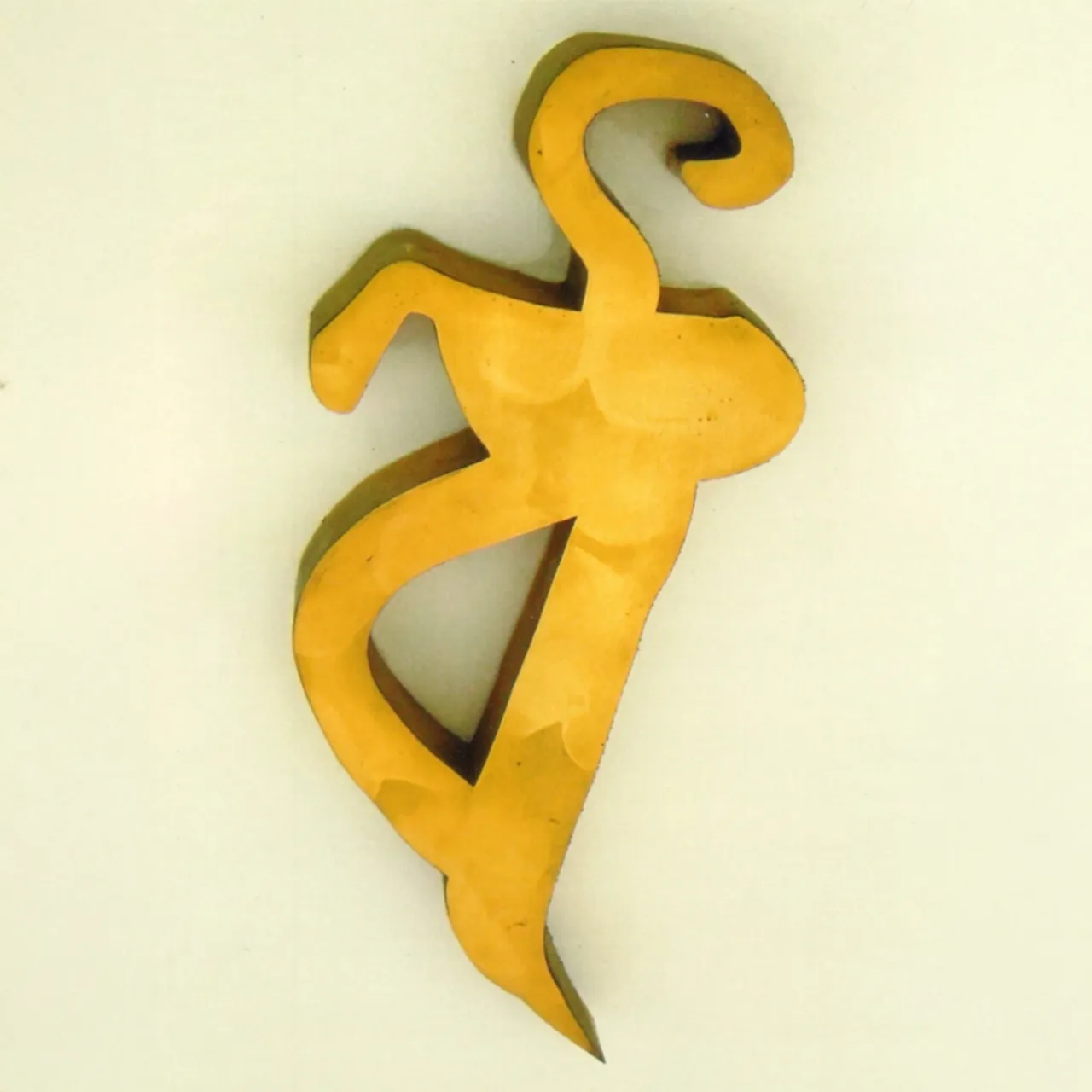/)
Tamonten, guardian of the north (in front of the Kyobashi Entrance Information Desk)
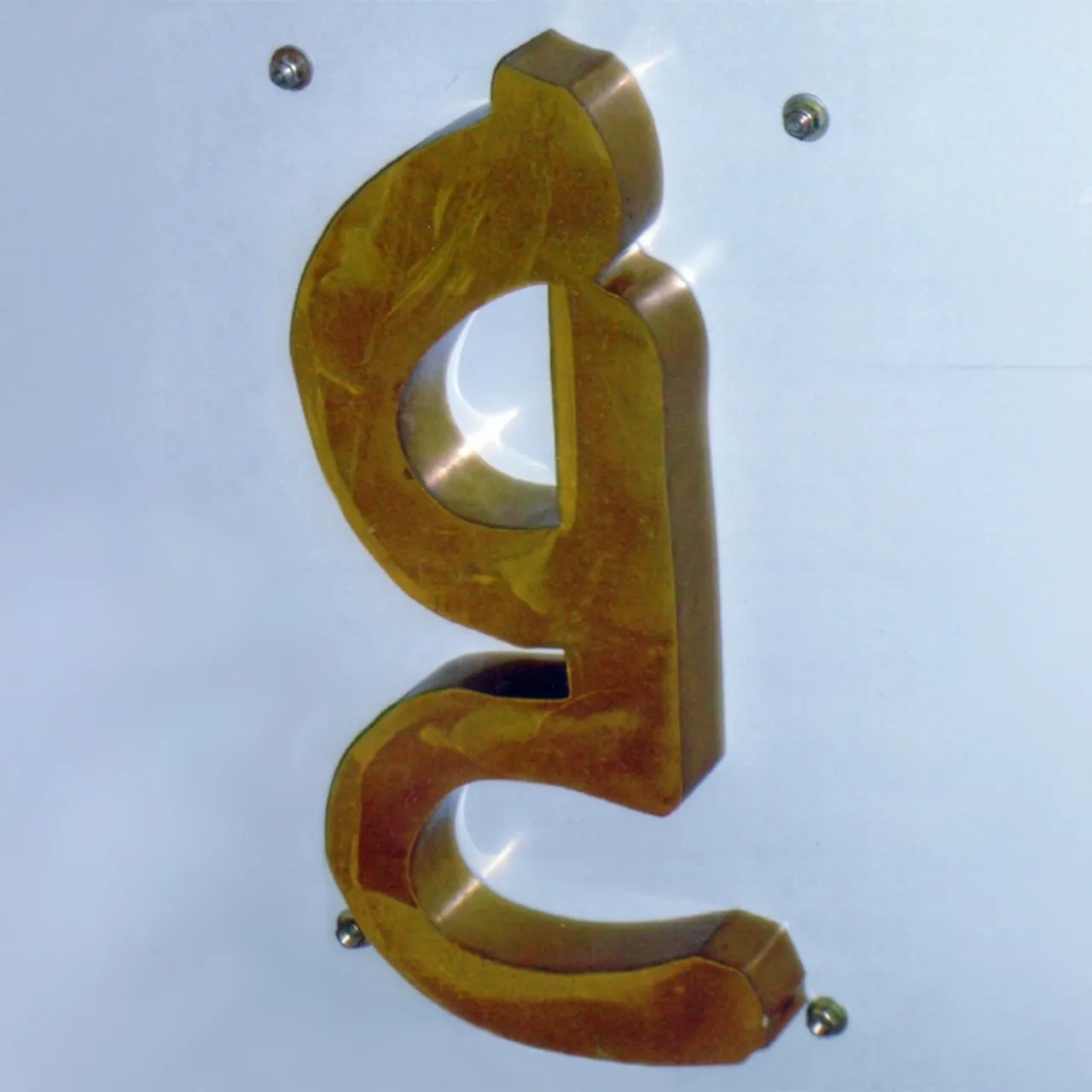/)
Jikokuten, guardian of the east (inside the stockroom in the back area)
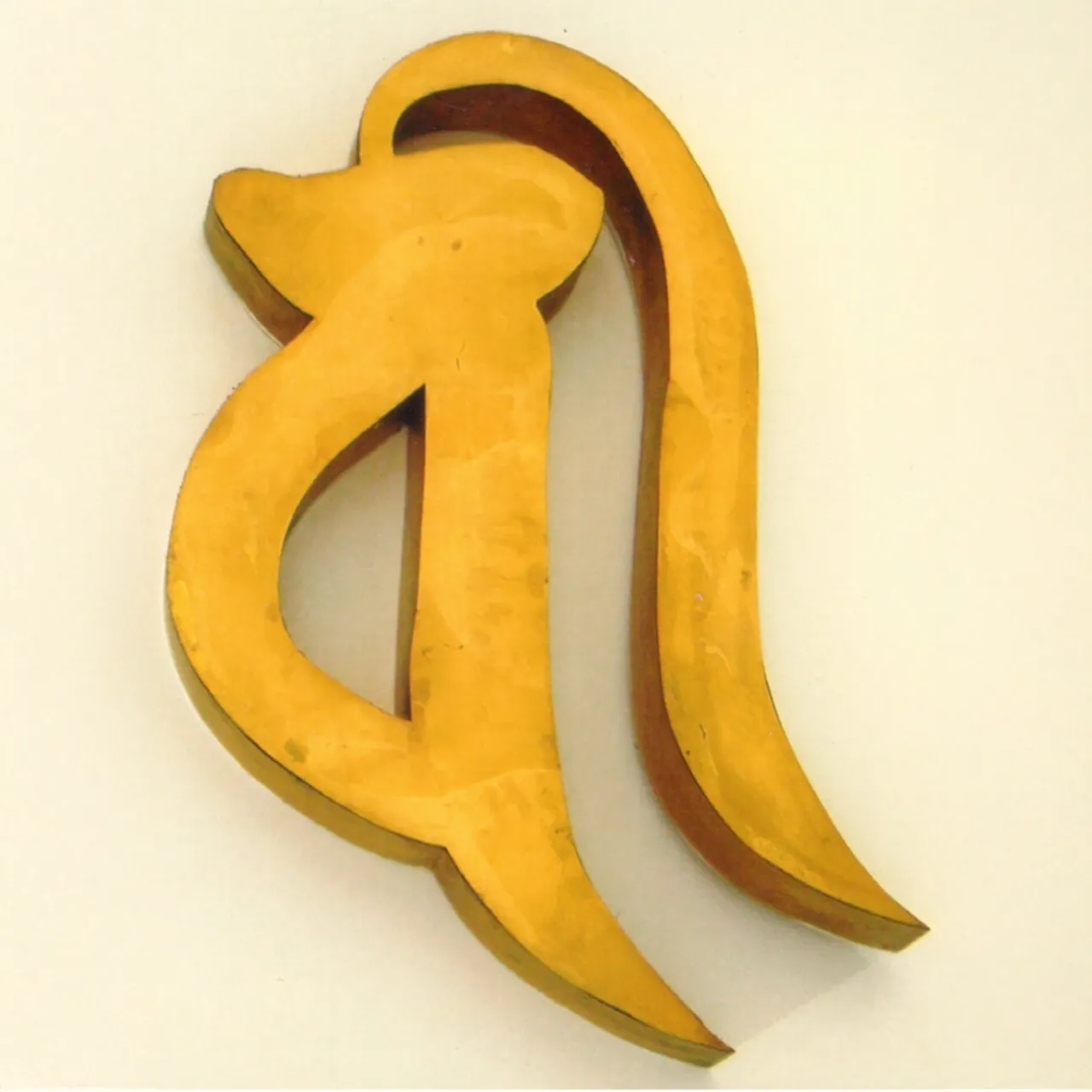/)
Komokuten, guardian of the west (in front of the Main Entrance Information Desk)
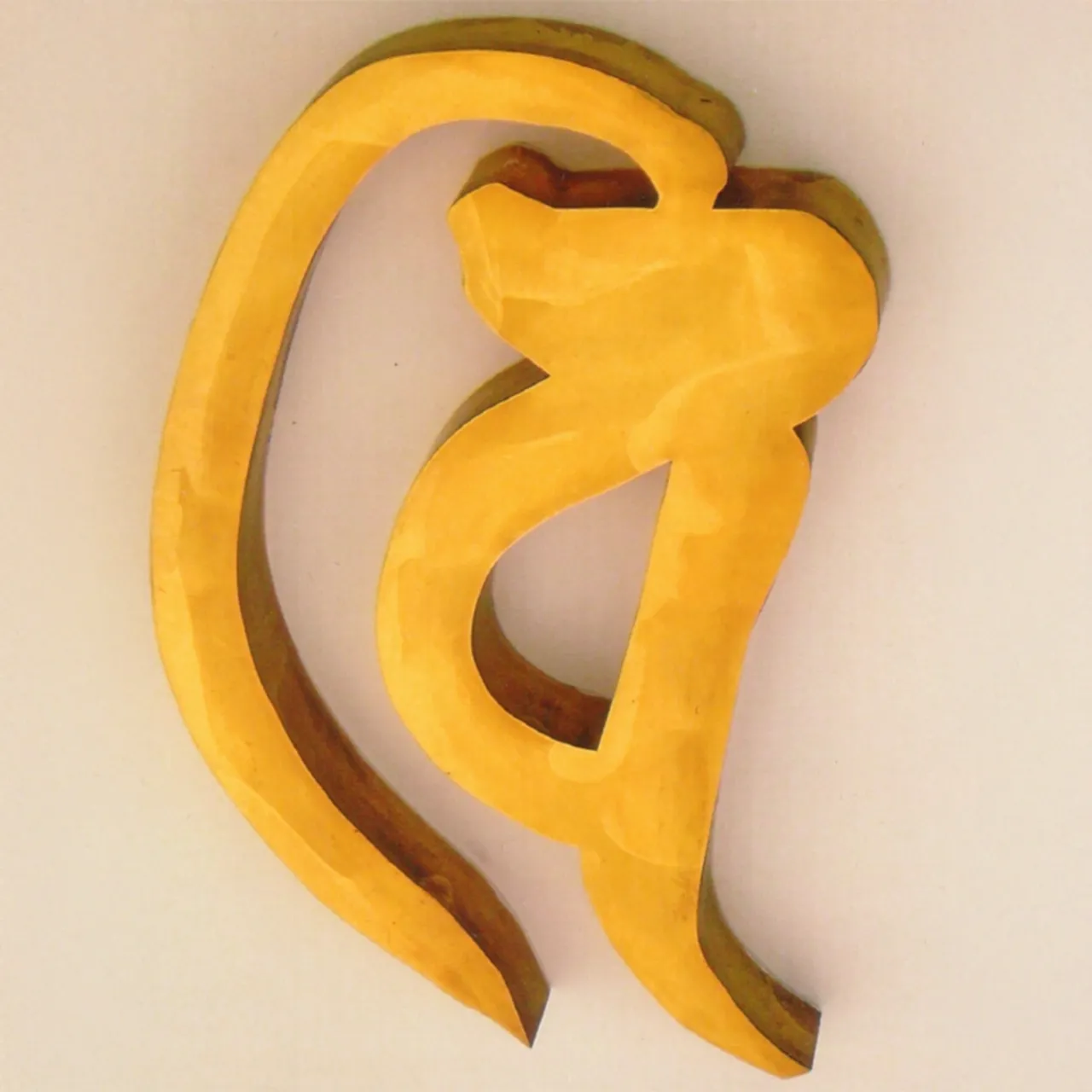/)
Zochoten, guardian of the south (in the passage behind Loewe)
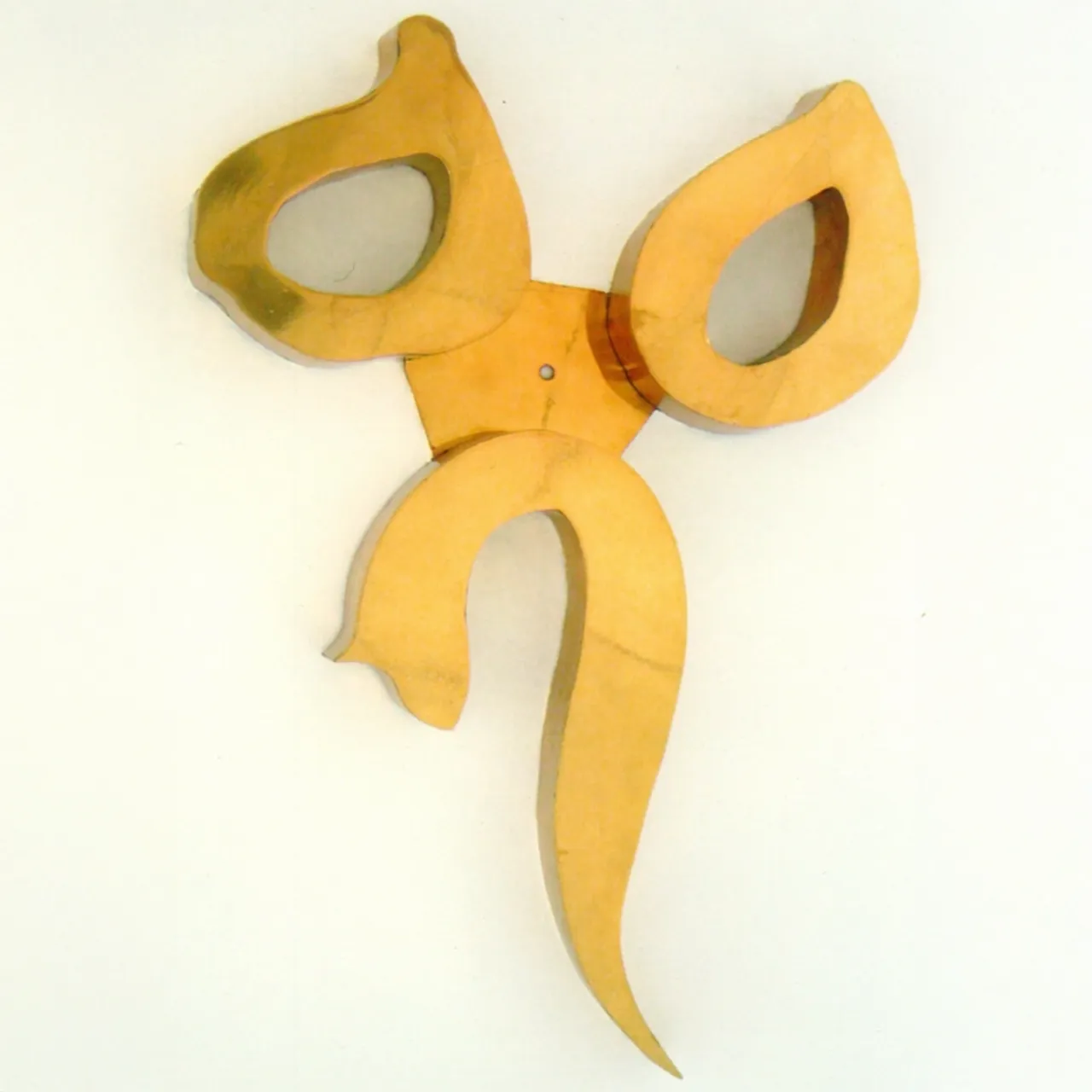/)
Taishakuten, ruler of the Four Heavenly Kings (in the passage within the cosmetics department)
Written by: Ken Tashiro
Principal of the Tokyo Fashion College, part of the Matsuya Group.
With over 40 years of experience dedicated to the group, he has served in various roles including Deputy Editor of The 150-Year History of Matsuya.
/)
Previous and next issues available here
/)
/)
/)
/)
/)
/)
/)
/)
/)
/)
/)
